By Staff Reporter
The 20th edition of the South African Literary Awards (SALA) lived up to its stellar reputation of celebrating excellence when it honoured forty-nine (49) South African writers, translators and other literary practitioners across 16 categories at a prestigious ceremony held at the delectably newly revamped Roodepoort Theatre and Museum, in Johannesburg on 11th November 2025.
Over two hundred dignitaries attended the event that is increasingly being regarded as the “Oscars” of the literary calendar in South Africa. SALA was founded by wRite associates in 2005 in collaboration with the Department of Sport, Arts and Culture (DSAC). This year’s ceremony was the culmination of many months of sifting through nominees to find the winner in each category.
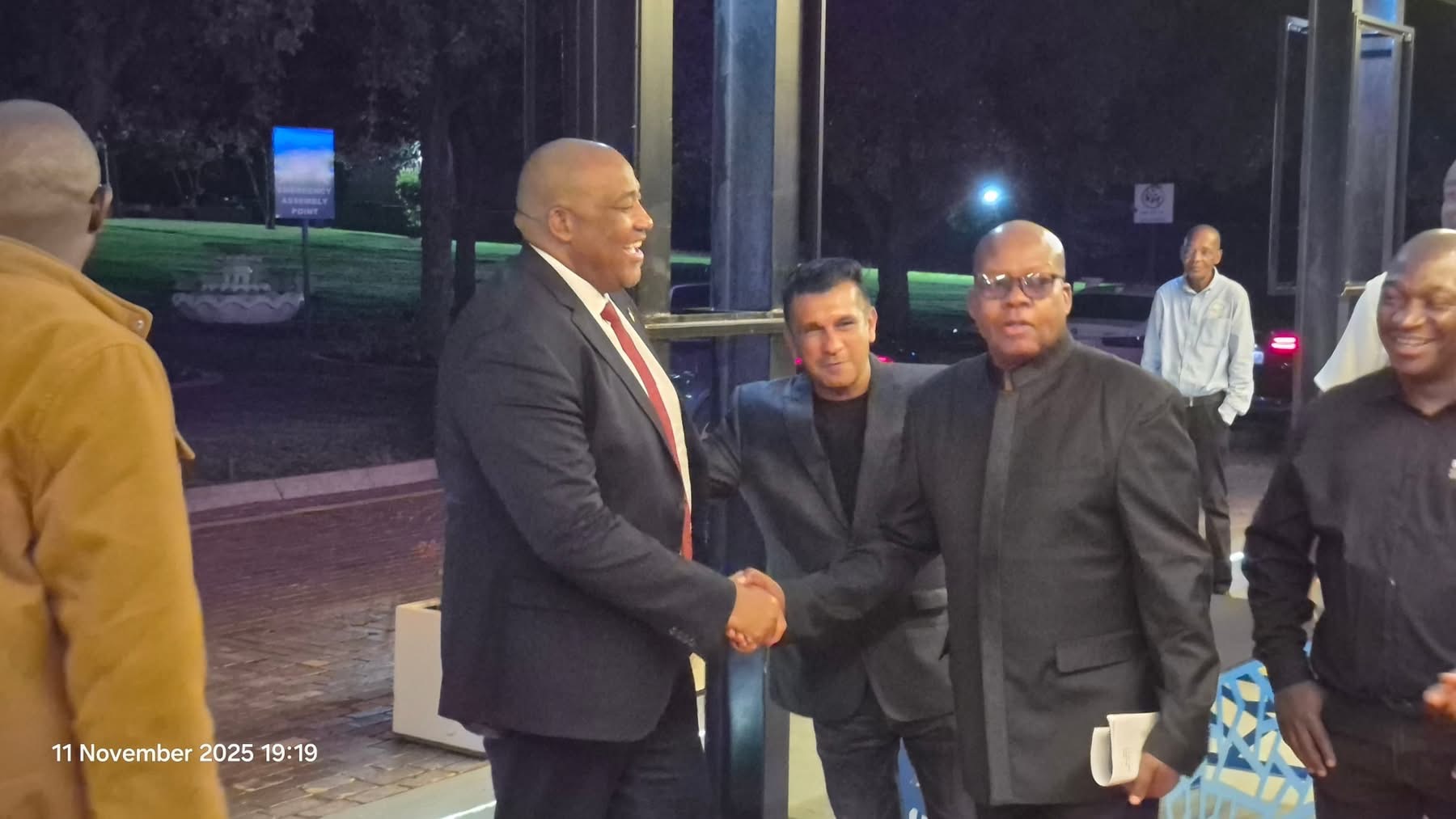
The Minister of Sport, Arts and Culture, Mr Gayton McKenzie, delivered a resounding keynote address with humorous and inspiring anecdotes about how he began his journey as a writer, bringing the ceremony to thunderous applause with the undertaking to host “…the biggest ever writers’ festival on Robben Island in April 2026…”.
“The South African Literary Awards have become a sanctuary for these voices, a space where all eleven official languages find equal dignity and where the full breadth of our literary heritage is affirmed. Our Department of Sport, Arts and Culture, together with the Gauteng Department of Sport, Arts, Culture and Recreation, as well as the City of Johannesburg, stand proudly alongside this noble initiative”, said Minister McKenzie.
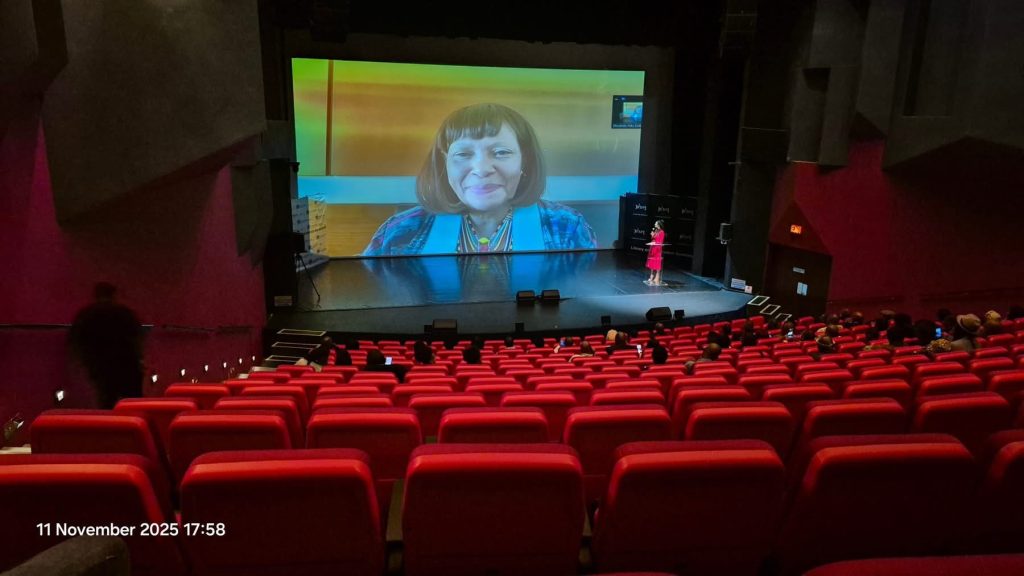
This year’s awards coincided with the 13th Africa Century International African Writers Conference, which celebrates the 34th International African Writers’ Day and 31 years of South Africa’s democracy. In 1991, the Conference of African Ministers of Education and Culture in Cotonou, Benin, voted to designate November 7th as International African Writers’ Day, which is currently observed across the continent.
Delivering the Lecture was Prof Wangui wa Goro, the Kenyan academic, social critic, researcher, translator and writer based in the UK, titled The Future of African Writing: The Transforming Landscapes, Enhancing the Mbokodo Narratives.
SALA is a vital platform for recognising the contributions of authors, translators, poets, and other literary practitioners. DSAC, together with her Gauteng Provincial and City of Johannesburg counterparts, play a crucial role in supporting this initiative, demonstrating their commitment to promoting cultural and literary excellence.
“In these 13th and 20th annual iterations of the International African Writers’ Day Lecture and South African Literary Awards, respectively, we welcome very warmly the City of Johannesburg and Gauteng Provincial Department of Education, Sport, Arts, Culture and Heritage into the tried and tested partnership SALA is having with the national Department of Sport, Arts and Culture”. To this end, the City of Johannesburg’s MMC for Community Development, Councilor Sthembiso Zungu, together with Gauteng Provincial Department of Education, Sport, Arts, Recreation and Culture’s Director, Ms Vonani Baloyi, emphasised the importance and necessity of the partnership with SALA.
The SALA honours literary work across 16 categories, as follows:
1. First-time Published Author Literary Award
2. k. Sello Duiker Memorial Literary Award
3. Nadine Gordimer Short Story Literary Award
4. National Poet Laureate Prize
5. Regional Poet Laureate Prize
6. Local Poet Laureate Prize
7. Poetry Award
8. Literary Translators Award
9. Lifetime Achievement Literary Award
10. Posthumous Literary Award
11. Literary Journalism Award
12. Creative Non-Fiction Award
13. Chairperson’s Award
14. Children’s Literature Award
15. Youth Literature Award
16. Novel Award
The Awards have previously recognised luminaries such as poets laureate Mazisi Kunene, Mongane Wally Serote, Keorapetse Kgositsile, Nobel Laureate Nadine Gordimer, and other outstanding writers like Prof Eskia Mphahlele, Don Mattera, Bessie Head, Antjie Krog, among many others across the various categories and 11 official languages.
Below is the 2025 South African Literary Awards shortlist of winners and runners-up:
Children’s Literature Award
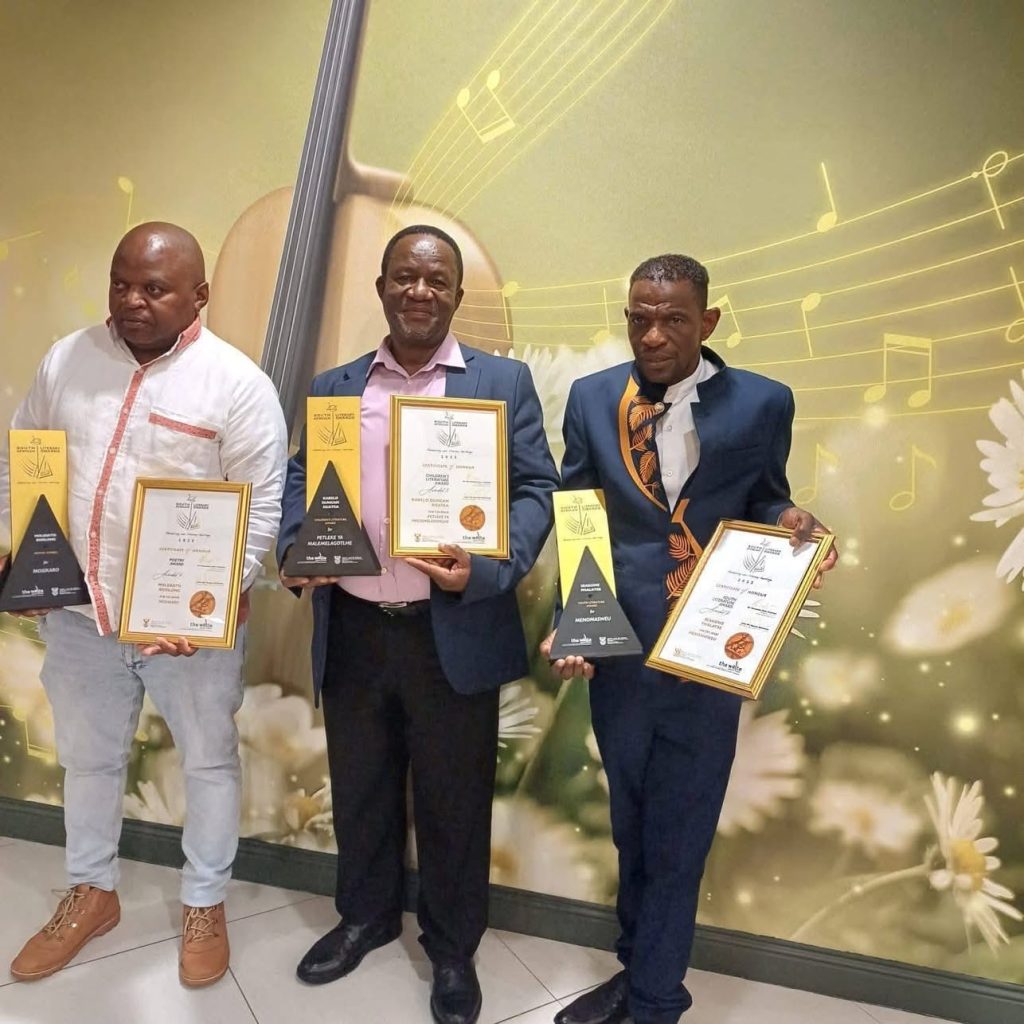
1. Kabelo Duncan Kgatea – Petleke ya Malemelagotlhe
2. Phuti Seboni – Rakgolo Masoba
3. Upile uThixo Bongco – Big shoes to fill
Runner-Up
1. Nkateko Emily Mabasa – Celebrating Our Differences: Embracing My Superpowers
First-Time Published Author Award
1. Lebogang Seale – One Hundred Years of Dispossession: My family’s quest to reclaim our land
2. Happy Gladness Simelane – Thandeka
Runner-Up
1. Lungile ka Dlamini – And Give Us This Day Our Daily Hope
Youth Literature Award
1. Kobate John Sekele – Sejamosela se fetetša noka
2. Seakgwe Phalatse – Menomasweu
3. Vusi Makhoba – Mhlawumbe Ngale Kwethuna
4. Tiah Marie Beautement – A Tale of Many Tangents
k. Sello Duiker Memorial Literary Award
Runner-Up
1. Lesedi Molefi – Patient 12A
Poetry Award
1. Sizakele Nkosi – u Grand, Malume?
2. Molebatsi Bosilong – Mosikaro
3. Bafana Charles Peter – Umkhumezelo Umqulu 3
4. Muntomuhle Silindokuhle Mcambi – Amagagasi Enjabulo
5. Mosima Phakane – Go Ribega tša Masa
6. Vutshila Mission Magaisa – Vutshila bya vutlhokovetseri
Runners-Up
1. Frank Meintjies – A place to night in
2. M H Hlaka – Tau Ahlama
3. Hlayiseka S Rikhotso – Nyika nkarhi, nkarhi
4. Nombeko Nontshokweni – uNobuntu
5. Muntomuhle Silindokuhle Mcambi – Ukufa Kwenono
Nadine Gordimer Short Story Award
1. Raphashe Abram Lesufi – Temošo Setšhabeng
2. Zaheera Jina Asvat – Tears of the Weaver
3. Kwandile Hadebe – Ishumi
Runner-Up
1. David Mann – Once Removed: Short Stories
Creative Non-Fiction Literary Award
1. Maria Suriano – A Rare Gift To The Struggle: Ma Vesta Smith and The Everyday Politics of Liberation
Runner-Up
1. Adekeye Adebajo – The Black Atlantic’s Triple Burden: Slavery, Colonialism, and Reparations
Literary Translators Award
1. Moses Seletisha – Ke Rata Punky
2. Sifiso Mzobe – Izinkabi: Yasho Inganono, Laphalala Igazi
Novel Award
1. Bulelani Matshoba – Akwaba Ndandingambonanga
2. Kobate John Sekele – Ditlhoka Tša Bagaditšong
3. Barbara Boswell – The Comrade’s Wife
4. Musa Aubrey Baloyi – Xilondza Xa Le Nhompfini
Runner-Up
1. Nick Clelland – Good Hope
2. Mandlakayise Mfanta – Ing’iyayikhotha Kanti Iyayixathula
Posthumous Literary Award
1. Magema Magwaza Fuze – Body of Work
2. Molema Mokae – Body of Work
3. Mbongeni Ngema – Body of Work
4. Joan Baker – Body of Work
5. Donald Parenzee – Body of Work
6. Juby Mayet – Body of Work
7. Matsemela Manaka – Body of Work]
8. Maishe Maponya – Body of Work
9. Breyten Breytenbach – Body of Work
10. Mohlomi Moleleki – Body of Work
11. Colin Smuts – Body of Work
Chairperson’s Literary Award
1. Mzwakhe Mbuli – Body of Work
Lifetime Achievement Award
1. John Kani – Body of Work
2. Mavis Smallberg – Body of Work
3. Gomolemo Mokae – Body of Work