
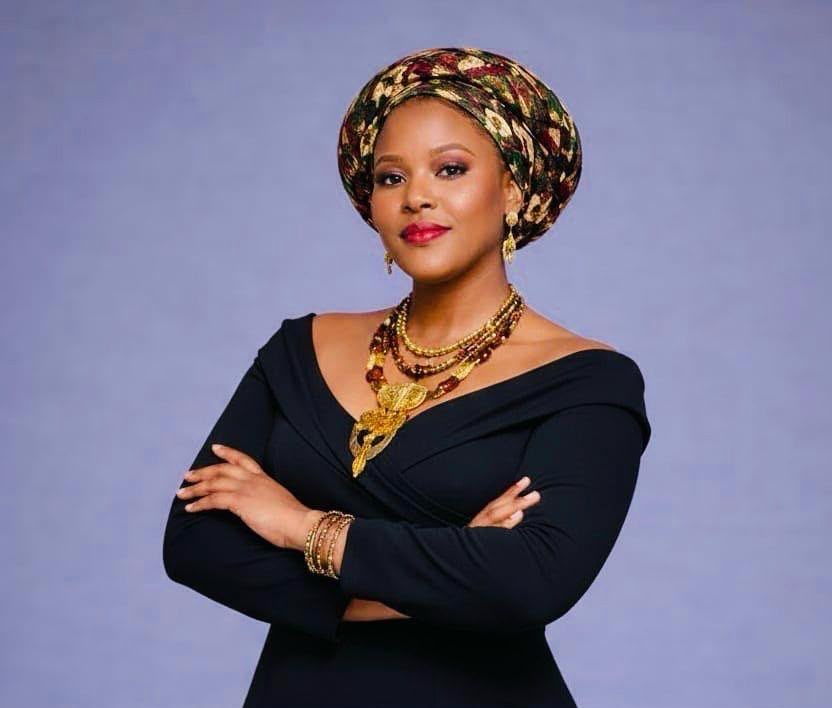
*** HEADLINE PHOTO: Amb Moleboheng Matli – the Summit’s organiser ***
By Staff Reporter
The inaugural SA–NG Women in Leadership & Investment Summit 2026, convened virtually by the Women African Tourism Board (WATB) on 24 July 2026, has concluded with a resounding continental call for South Africa and Nigeria to assume a more deliberate leadership role in driving Africa’s economic transformation, accelerating intra-African investment, creating sustainable jobs and advancing skills development across the continent.
Held under the theme “The Africa We Want: Women as Catalysts of Continental Prosperity,” the Summit brought together distinguished leaders from government, academia, finance, business, diplomacy, civil society, the creative industries and the African diaspora to confront one of the defining questions of our generation:
If South Africa and Nigeria are Africa’s two leading economies, why are we not doing more—together—to unlock the continent’s immense economic potential and deliver practical solutions for the millions of young Africans seeking opportunity, dignity and prosperity?
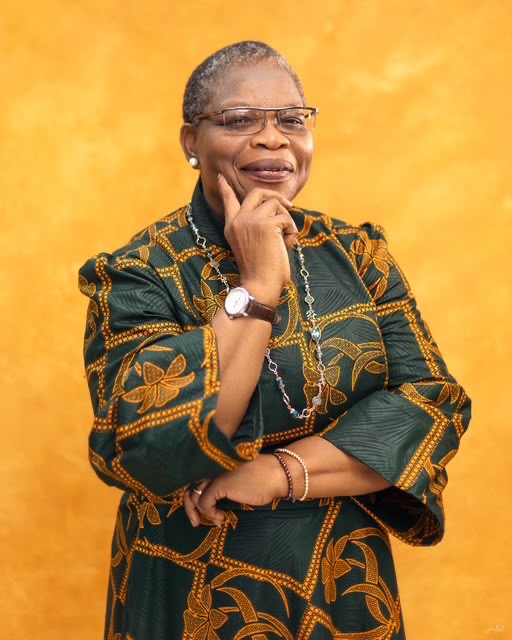
*** Dr Obiageli “Oby” Ezekwesili ***
That question became even more urgent following the powerful Continental Keynote Address delivered by Dr Obiageli “Oby” Ezekwesili, whose sobering reflections challenged every participant to move beyond rhetoric.
Dr Ezekwesili reminded delegates that while Africa is projected to become the youngest continent in the world, current development projections indicate that by 2030, as the United Nations Sustainable Development Goals reach their target year, millions of Africans could still be living in poverty unless bold structural reforms, stronger institutions and accelerated economic cooperation become an immediate priority.Her message set the tone for a Summit that refused to celebrate Africa’s potential without confronting the urgency of Africa’s reality.
The Summit concluded with one unmistakable declaration:
Africa cannot afford another decade of conversations without implementation. The time to act is now.
A Continental Coalition for Action
The Women African Tourism Board expresses its profound appreciation to every participant whose commitment transformed this inaugural Summit into a meaningful platform for continental dialogue and practical collaboration.
Our sincere gratitude is extended to:
• Government representatives from South Africa and Nigeria.
• The Gauteng Growth and Development Agency (GGDA).
• Access Bank South Africa.
• The University of Cape Town.
• Business leaders and investors.
• Members of the diplomatic corps.
• Civil society organisations.
• Development institutions.
• Academic leaders and researchers.
• Media practitioners.
• The African diaspora.
• Every registered delegate whose participation enriched the dialogue.
The diversity of representation demonstrated that Africa’s future cannot be shaped by governments alone. It requires a united ecosystem of public institutions, private enterprise, civil society, academia and citizens working towards a common continental vision.
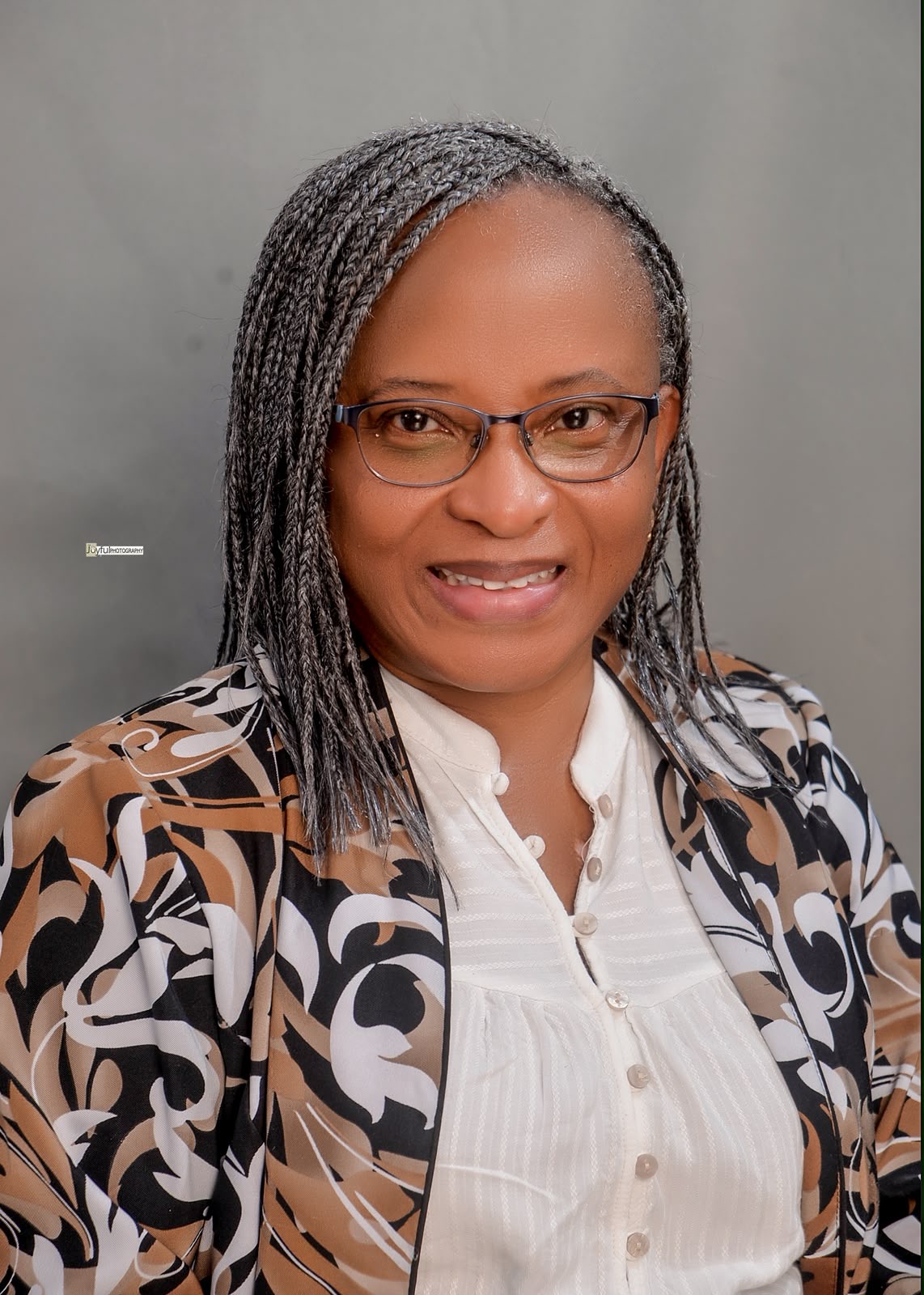
*** Professor Abimbola Windapo ***
The Voices That Shaped the Conversation
Leadership, Infrastructure and Investment
Opening the Summit, Professor Windapo challenged Africa to recognise infrastructures as more than roads and buildings—it is the foundation upon which inclusive economies are built.
“Infrastructure is one of Africa’s greatest economic multipliers. Investing in women leaders and resilient infrastructure is investing in Africa’s future prosperity.”
Her keynote highlighted the critical relationship between infrastructure investment, sustainable cities, industrialisation and women’s leadership. Dr Obiageli “Oby” Ezekwesili
Institutions, Governance and Economic Transformation
Delivering the Continental Keynote Address, Dr Ezekwesili reminded delegates that Africa’s greatest challenge is not the absence of natural resources but the quality of leadership and institutions.
“Africa’s transformation will not come through hope alone. It requires ethical leadership, capable institutions and strategic partnerships that deliver measurable impact.”
Her challenge that Africa could become younger yet poorer by 2030 became one of the defining moments of the Summit and a rallying call for immediate action.
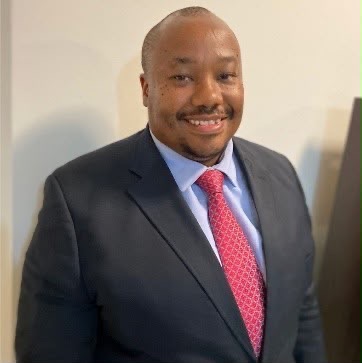
*** Mr Kgotso Radira ***
Investment Intelligence and Economic Competitiveness
Representing the Gauteng Growth and Development Agency, Mr Radira emphasised that regional competitiveness depends on trusted partnerships, investment confidence and evidence-based economic planning.
“Investment follows certainty. Strategic partnerships between South Africa and Nigeria can unlock growth that benefits the entire continent.”

*** Ms Diana Games ***
Trade and Regional Economic Integration
One of Africa’s leading trade specialists, Ms Games called for greater urgency in implementing the African Continental Free Trade Area.
“South Africa and Nigeria have discussed trade for many years. The time has come to move decisively from dialogue to implementation.”
Her presentation reinforced that expanding intra-African trade is essential for industrialisation, job creation and economic resilience.
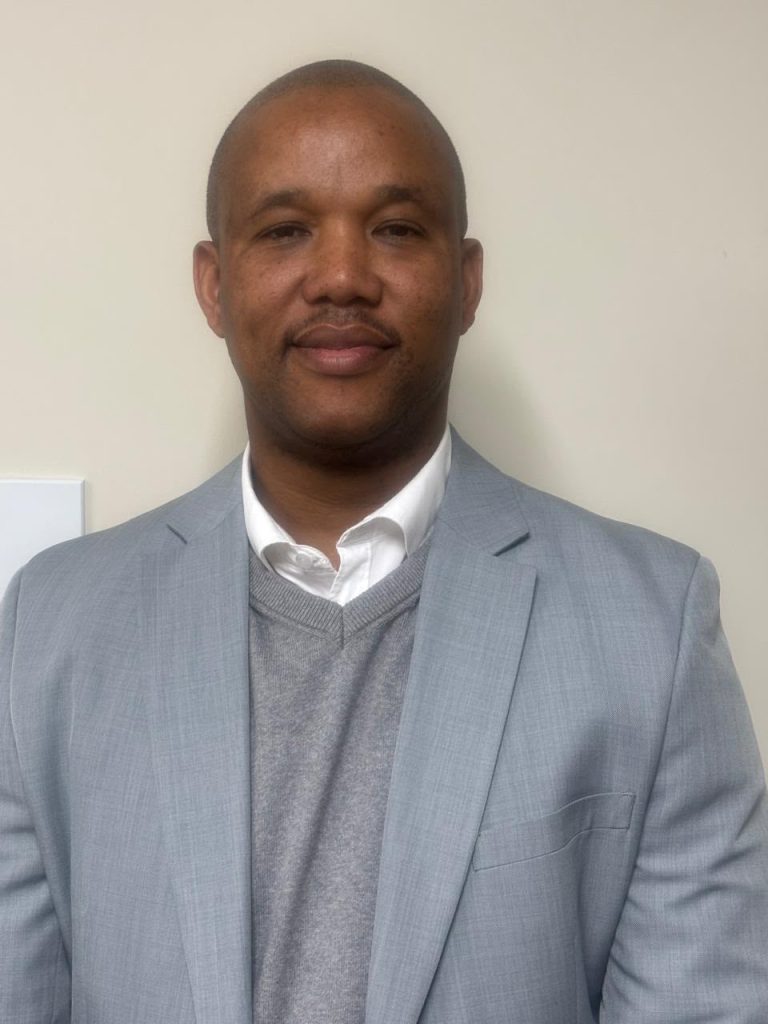
*** Mr Sivuyile Makiza ***
Financing African Enterprise
Representing Access Bank South Africa, Mr Makiza highlighted the central role financial institutions must play in supporting entrepreneurs, women-owned businesses and SMEs.
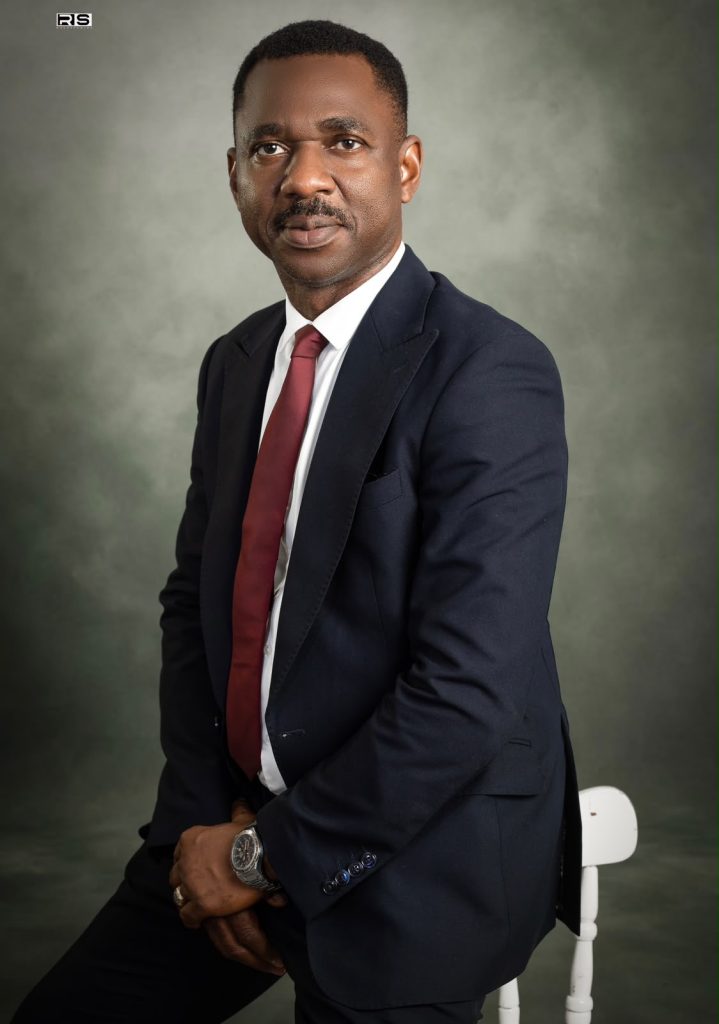
*** Dr Chris Edeh ***
“Finance must become an enabler of enterprise. Access to capital must translate into sustainable businesses, stronger value chains and inclusive economic growth,” said Dr Chris Edeh.
Agriculture and Agro-Industrialisation
Dr Edeh challenged Africa to rethink agriculture not as subsistence, but as one of the continent’s greatest investment opportunities.
“Africa must stop exporting raw commodities and start exporting value. Agro-industrialisation is one of the fastest pathways to jobs, food security and economic independence.”

*** Mr Saul Molobi ***
Brand Africa and the Creative Economy
Mr Molobi delivered one of the Summit’s most compelling presentations, challenging Africa to redefine its global identity through innovation, storytelling and commercialising African excellence.
“The world buys stories before it buys products. Africa must own its narrative, build globally competitive brands and proudly commercialise its creativity.”

*** Ms Luyanda Zuma ***
Creative Economy and Cultural Diplomacy
Ms Zuma reminded delegates that the creative economy is no longer peripheral to development—it is central to it.
“Film, fashion, media, music and storytelling are not simply cultural expressions—they are powerful industries capable of creating jobs, attracting investment and reshaping Africa’s global image.”
Her address reaffirmed that Africa’s young creatives are among its greatest economic assets.

*** Advocate Bawinile Happiness Ndlovu Isiolaotan ***
Human Rights, Immigration and Labour Mobility
Advocate Isiolaotan called for balanced immigration systems that protect human rights while enabling economic participation.
“Continental integration requires lawful mobility, dignity, fairness and policies that allow Africans to contribute meaningfully across borders.”
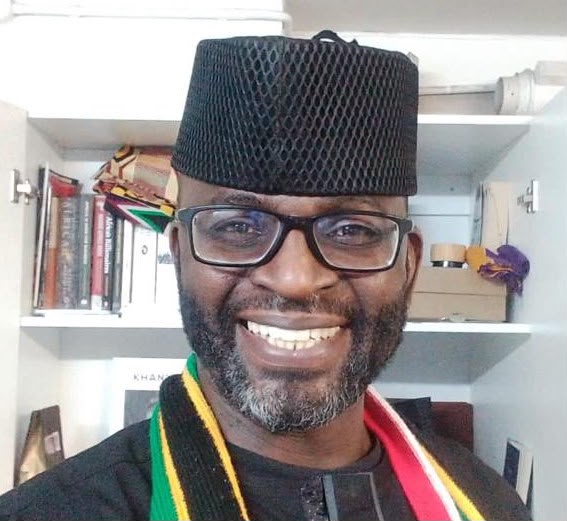
*** Mr Adetunji Omotola ***
The African Diaspora
Mr Omotola highlighted the enormous value of the African diaspora as a strategic partner in investment, innovation and continental development.
“Africa’s diaspora is not separate from Africa’s future. It is one of its greatest strategic assets for investment, partnerships and shared prosperity.”
The Women African Tourism Board also acknowledges that Dr Elisha Attai and Mr Sonwabile Ndamase were unable to deliver their scheduled presentations. Their expertise and contribution remain highly valued, and WATB looks forward to welcoming both distinguished leaders to the in-person Summit in Abuja.
The Abuja Action Agenda
Recognising that implementation must now take precedence over dialogue, delegates adopted the following resolutions to guide collective action between July and October 2026:
1. 2. 3. 4. 5. 6. 7. 8. 9. Accelerate strategic investment partnerships between South Africa and Nigeria.
Position youth employment and skills development as a continental priority.
Promote women-led enterprise as a driver of inclusive economic growth.
Strengthen implementation of the African Continental Free Trade Area (AfCFTA).
Expand access to finance for SMEs and entrepreneurs.
Develop stronger regional value chains across key economic sectors.
Prioritise agro-industrialisation and food security.
Advance ethical leadership, accountable governance and stronger public institutions.
Recognise the creative economy as a strategic pillar of Africa’s economic development.
10. Promote lawful migration, labour mobility and human rights protection.
11. Strengthen collaboration between government, business, academia and civil society.
12. Establish measurable implementation milestones ahead of the Abuja Summit.
The Road to Abuja: From Dialogue to Delivery
Between now and the in-person Summit on 30–31 October 2026 at the Abuja Continental Hotel, Abuja, Nigeria, the Women African Tourism Board will facilitate:
• Strategic stakeholder engagements.
• Cross-border investment dialogues.
• Partnership development.
• Youth and women entrepreneurship initiatives.
• Policy engagement with public institutions.
• Business matchmaking opportunities.
• Continental collaboration around trade, tourism, infrastructure, agriculture and the
creative economy.
The Abuja Summit will focus not only on ideas, but on announcing partnerships, facilitating
investment opportunities and measuring progress against the commitments adopted during the inaugural virtual Summit.Closing Remarks from the Convener
Ambassador Moleboheng Matli, MBL, President and Executive Chairperson of the Women African Tourism Board and Convener of the SA–NG Women in Leadership & Investment Summit, concluded:
“This Summit has reaffirmed that Africa does not suffer from a shortage of ideas. It suffers from a shortage of implementation. We have listened to outstanding minds from government, academia, business, finance and civil society, and one message has emerged with absolute clarity: the future of Africa depends on the decisions we make today.
South Africa and Nigeria have both the responsibility and the opportunity to become stronger engines of continental prosperity.”
She added: “History will not remember how many conferences we convened. It will remember whether we had the courage to transform dialogue into jobs, investment, skills, innovation and opportunity for our people. As we journey towards Abuja on 30–31 October 2026, let us move with urgency, unity and unwavering purpose. The road to Africa’s prosperity begins not tomorrow, but today.”
About the Women African Tourism Board
The Women African Tourism Board (WATB) is a Pan-African women-led organisation committed to advancing tourism, trade, investment, leadership and sustainable development across Africa. Through strategic partnerships and continental collaboration, WATB promotes women’s economic empowerment, youth development, entrepreneurship and regional integration in alignment with the African Union’s Agenda 2063 and the United Nations Sustainable Development Goals.