
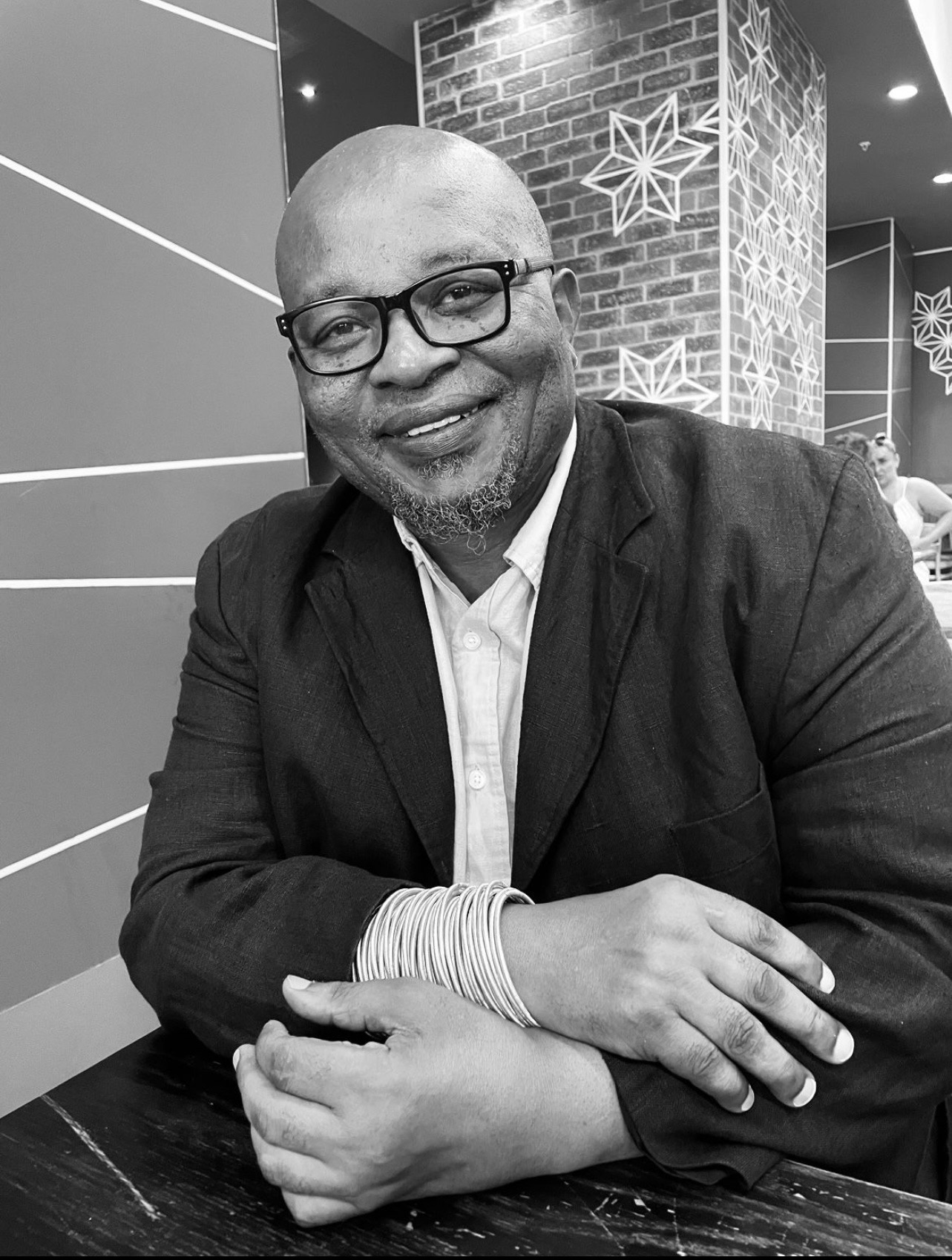
“The cost of leadership isn’t praise.
IT’S BEING MISUNDERSTOOD.
If you can’t bear a false opinion from the very people you’re trying to help, you’re not ready to lead.
True leadership is often maligned, misquoted, and attacked in the moment… but validated in your absence.
Only when your hand is gone do people realise you had the right template all along…”
— Vusi Thembekwayo (https://vt.tiktok.com/ZSHTojFyGovqS-zBt4y/)
1. From Survival to Structure: The First Signs of Stability
Every organisation passes through stages: dream, labour, turbulence, resistance, and eventually, structure. After the early battles of positioning, scepticism, and strategic misunderstanding, Brandhill Africa™ began entering a new phase – one defined not by proving our right to exist, but by demonstrating our ability to transform.
This shift was subtle at first.
The invitations to speak at conferences became more frequent.
Government departments that once kept a cautious distance began seeking guidance.
Media houses increasingly referenced our work.
Institutions started adopting our terminology – sometimes unknowingly.
These were the first signs that the ecosystem we imagined was taking shape.
Leadership had finally broken through the fog.
But with new visibility came new responsibilities.
2. Designing a Pan-African Branding Architecture
As Brandhill Africa™ expanded, I realised we were no longer merely participating in Africa’s nation-branding space — we were shaping it. Our conceptual frameworks, editorial outputs, cultural programmes, and diplomatic insights began forming a cohesive intellectual architecture.
We were not building a company; we were building infrastructure.
Brandhill Africa™ gradually evolved into an ecosystem with multiple pillars:
- Brandhill Africa Media Holdings – powering the continent’s storytelling engine
- Brandhill Africa Institute – stewarding research, policy, and thought leadership
- Brandhill Africa Entertainment Holdings –amplifying Africa’s cultural capital
- Brandhill Africa Foundation NPC – advancing youth empowerment and social cohesion
- Brandhill Africa Healthcare Holdings – positioning health as a branding asset
- Brandhill Africa Investment Holdings – anchoring continental economic participation
Each pillar was a response to a discovered gap.
Each gap was an opportunity.
And each opportunity demanded a leadership posture rooted in foresight.
Leadership is not about reacting to needs.
It is about anticipating what the future will demand.
3. The Power of Intellectual Property: Publishing as Nation-Building
One of the most significant turning points in this new era was the emergence of Brandhill Africa™ as a publishing power. Books became more than literary artefacts; they became instruments of influence, tools of narrative reclamation, platforms for thought leadership.
Through works like:
- Sound and Fury: The Chronicles of Healing
- De/constructing Brand Africa: A Practitioner’s Perspective
- Dodging the Civil War Bullet
- Rhythms in Black and White
- Chocolate Kisses
- The Lion of the North
– we demonstrated that African stories, African thinkers, and African intellectual frameworks deserve global attention.
These texts shifted perceptions in boardrooms and diplomatic circles alike.
Publishing, for us, was not a commercial venture.
It was an act of continental assertion.
It said:
Africa will no longer whisper her stories. She will author them boldly.
By this stage, Brandhill Africa™ was no longer simply consulting on nation-branding; we were actively shaping the intellectual landscape upon which nation-branding had to operate.
4. When Clients Become Partners, and Partners Become Advocates
As recognition grew, another phenomenon emerged – the transition of clients into long-term strategic partners. Instead of transactional engagements, we began forming transformational relationships.
Executives, institutions, and policymakers who once questioned our frameworks now cited them in their own strategic documents. They invited us into their strategic retreats, their crisis-management sessions, their stakeholder dialogues. They relied on our insights for brand audits, communication turnarounds, research methodologies, and public diplomacy strategies.
This shift represented a new stage of Brandhill Africa’s influence:
from persuading to shaping, from advising to co-authoring.
Our work on brand audits, such as the comprehensive Magalies Water study, demonstrated our capacity to engage deeply with organisational identity, stakeholder expectations, and institutional transformation.
Leadership had evolved from explanation
to collaboration
to co-creation.
5. Resistance Doesn’t Disappear – It Evolves
With visibility came a new type of resistance: not disbelief, but scrutiny.
Not dismissal, but debate.
Not scepticism, but competition.
A growing number of organisations began entering the nation-branding space, some sincerely, others opportunistically. A few attempted to replicate our models without grasping their philosophical depth. Others challenged us simply because our prominence unsettled established players.
But this was a different kind of resistance – a sign of maturity.
The market was evolving.
The sector was awakening.
Our influence was now part of a larger continental shift.
Leadership must learn to embrace this kind of resistance.
It is not a threat – it is validation.
When your ideas begin shaping an industry, your competition becomes your legacy.
6. Cultural Diplomacy: The Soul of the Ecosystem
As our influence expanded, I became more convinced that Africa’s renaissance would not be driven solely by economics or politics, but by culture. Culture is the soul of a nation’s brand. It is the repository of memory, meaning, and aspiration.
This realisation birthed initiatives such as:
- Sunset Serenade – a jazz show that reinterprets African identity through sound
- heritage-based festivals
- collaborations with photographers, poets, and cultural iconographers
- literary celebrations with SALA and global cultural institutions
These platforms were not entertainment; they were intellectual diplomacy.
They articulated Africa’s brand with nuance, emotion, and historical depth.
Cultural diplomacy enabled Brandhill Africa™ to shape not only how Africa is seen, but how Africa sees itself.
And when a people shift how they see themselves, they shift everything – policy, ambition, identity, destiny.
7. The Awards: Symbols of a Battle Fought Quietly
When Brandhill Africa™ began receiving continental and global awards, many assumed these accolades came easily. But awards do not recognise a moment; they recognise a journey.
The African Excellence Awards,
the Business Excellence Award,
the Brand Leadership Award,
and now the nomination for the Excellence in Strategic Brand Development Award 2025 –
– these are not decorations.
They are confirmations.
They affirm that the misunderstood vision was not misguided.
They affirm that the lonely decisions were purposeful.
They affirm that the sacrifices carried meaning.
Awards do not create legitimacy.
They reflect legitimacy already built.
8. Leadership Matures Into Stewardship
As Brandhill Africa™ entered this phase, I experienced a profound shift in my own leadership identity.
In the beginning, I was fighting for space – for recognition, understanding, and legitimacy. I was battling shadows cast by misunderstanding and resistance.
But now, leadership was evolving into something deeper: stewardship.
Stewardship of an ecosystem.
Stewardship of intellectual capital.
Stewardship of emerging leaders.
Stewardship of Africa’s narrative future.
I no longer needed to prove our existence.
I needed to guard our purpose.
Leadership, at this stage, is no longer about fighting for visibility.
It is about nurturing continuity.
You move from being the architect
to being the custodian
of what you have built.
9. Where the Journey Stands Now
This chapter marks the beginning of Brandhill Africa’s maturity – a stage in which:
- our influence is recognised,
- our frameworks are respected,
- our ecosystem is expanding,
- our partners trust our vision,
- and our work is shaping continental discourse.
The storms of misunderstanding forged the steel.
Now the work turns to expansion, refinement, and legacy building.
The next chapters in this book will explore that next horizon:
how to sustain influence, scale purposefully, deepen continental impact, and prepare for intergenerational leadership.
But before we go there, this chapter leaves you with one insight:
A vision survives when it evolves from personal conviction to collective ownership.
Brandhill Africa™ is no longer just my journey.
It is a continental conversation.
An ecosystem of minds.
A platform for Africa’s future.
And the work continues.
Tujenge Afrika Pamoja! Let’s Build Africa Together!
Enjoy your weekend.
Saul Molobi (FCIM)
PUBLISHER: JAMBO AFRICA ONLINE
and
Group Chief Executive Officer and Chairman
Brandhill Africa™
Tel: +27 11 759 4297
Mobile: +27 83 635 7773
Physical Address: 1st Floor, Cradock Square Offices; 169 Oxford Road; Rosebank; JOHANNESBURG; 2196.
eMail: saul.molobi@brandhillafrica.com
Website: www.brandhillafrica.com
Social Media: Twitter / Instagram / LinkedIn / Facebook / YouTube / Jambo Africa Online / WhatsApp Group / 101.9 Chai FM