
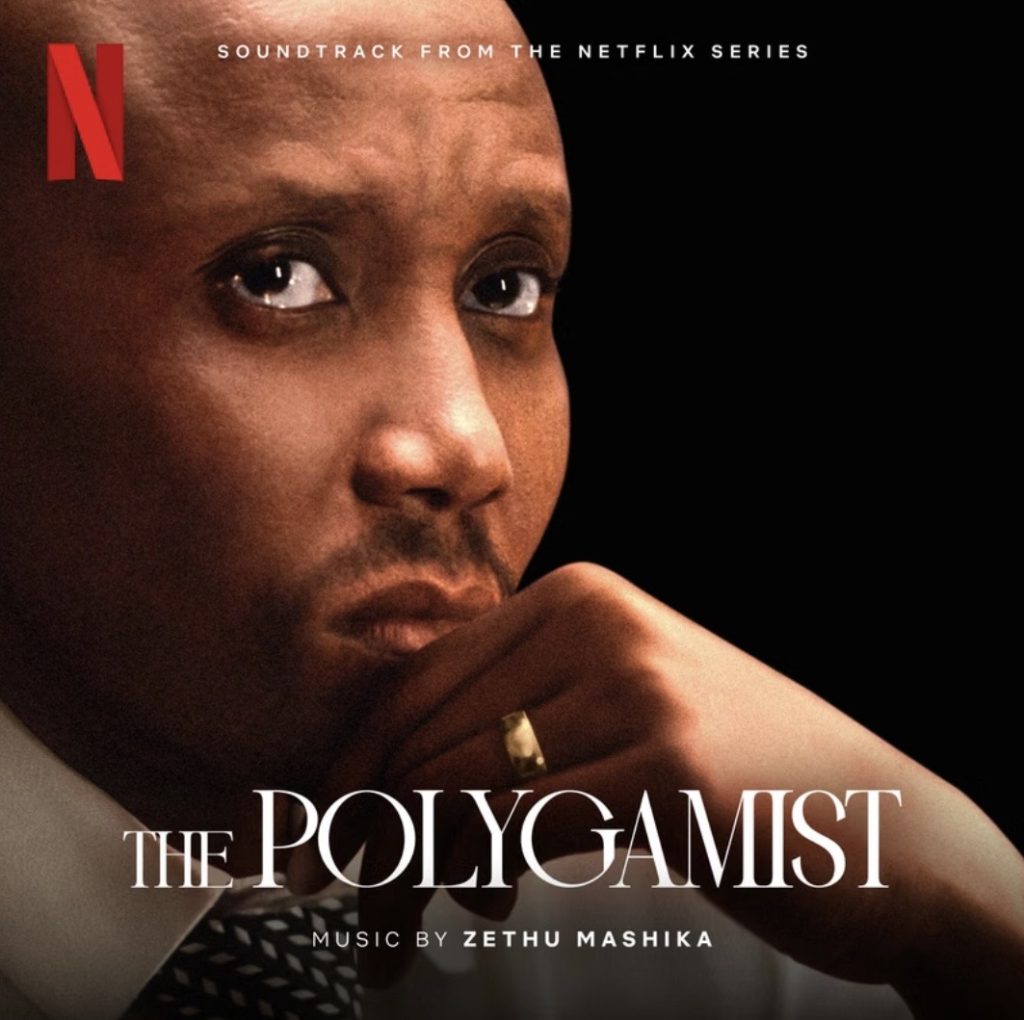
The real conversation, at least in my mind, is: what impact will “The Polygamist” have on production budgets & the economics of streaming for African content? In particular, African content based on African writing, produced by African production companies, and starring African talent.
That’s the real conversation.
I am given to understand that the author of “The Polygamist”, Sue Nyathi, self-published the work, presumably because none of the mainstream publishers thought it would have commercial value on this scale.
This is part of the problem with our Arts sector: parts of the value chain are seen as stand-alone independent units rather than parts of the “production line of storytelling.”
There is an entirely separate conversation to be had about the nature of the publishing industry in South Africa.
Some have accused it of being dominated by a narrow band of legacy publishing entities, which decide who receives their support in publishing their material and, as a consequence, who makes it into the “Exclusive Books” display for best authoring.
My first book, still the largest-selling book I’ve written, was self-published. I get the struggle. Luckily, since then, I have developed a relationship with an amazing publisher.
But for now, let’s narrow our focus to streaming:
The real conversation is, what will “The Polygamist” do for the economics of production and theatre in South Africa?
- It would be a missed opportunity if the industry did not seize this moment to redefine the rules of its game and tailor them specifically to their context.
- A Prediction: Expect to see more content like The Polygamist as the other streaming platforms chase the commercial rainbow at the end of the African imagination.
But what should never be compromised, in my humble opinion, is the authentic story that “The Polygamist” represents.
Just the beautiful use of isiZulu idioms that some of us in the “burbs” had long since stopped using to describe our feelings or situations we were confronting. That must have taken serious heavy lifting on the part of the scriptwriters.
Bravo!
- I’ve seen several commentaries based on critiques from people in different parts of the world who are talking about how far-fetched the storyline is. Abasazi laba!
That can only be said by people who don’t know how that, for us, this is a story to which we can all relate, making some allowances for artistic licence.
We may not know a single whole Jonas or Joyce. But we know parts of a Jonas & parts of a Joyce in people in our lives.
Some in our own families, our churches, and our communities.
Even though this may not be a single individual’s story (that’s the point of a fictional work), we all know a portion of that story in somebody else’s life. So that storyline rang true & felt real.
The theatre, a reflection of our stories, is for me what was really, really exciting to watch.
- Forgive me for a trite point. We can never have enough of these stories that dont portray South Africans or Africans as stuck in a bygone era or fighting for their freedom, or some other archaic narrative which has become central in the arch of African story.
We are more than our struggles, even though those matter.
A story that portrayed Africans as people, people with agency, people with well-earned wealth, people with complex characters, people with vices and virtues, and people who are trying to figure out life every single day.
Basically, human beings.
And in between that, the demons, devils and angels that all of us encounter in our modern society.
Bravo to everybody concerned, from the commissioning editors to the producers, from the author of the original work to the people who worked on the screenplay adaptation & the incredible actors who brought words on a page to life.
Bravo.
Ngishayeni ke!