
Every year on 24 September, South Africans pause to celebrate Heritage Day, a nation-building milestone designed to honor the complex, diverse, and vibrant cultures that make up our country. The ethos behind this public holiday is clear: we are a nation woven from countless threads, and our collective strength lies in recognizing, respecting, and honoring those differences.
Yet, as we reflect on what heritage means in modern South Africa, a critical question arises: Are we truly practicing the full inclusion we preach, or have we allowed selective inclusion and cultural gatekeeping to dictate who gets to tell their story?
The Lived Reality of the “Identity Box”
For many South Africans, identity cannot be neatly categorized into a single box or standard narrative. Ours is a history of convergence. Many individuals carry complex, intersectional roots that blend different ethnicities, traditions, languages, and lineages, spanning both African heritage and heritage from across the globe.
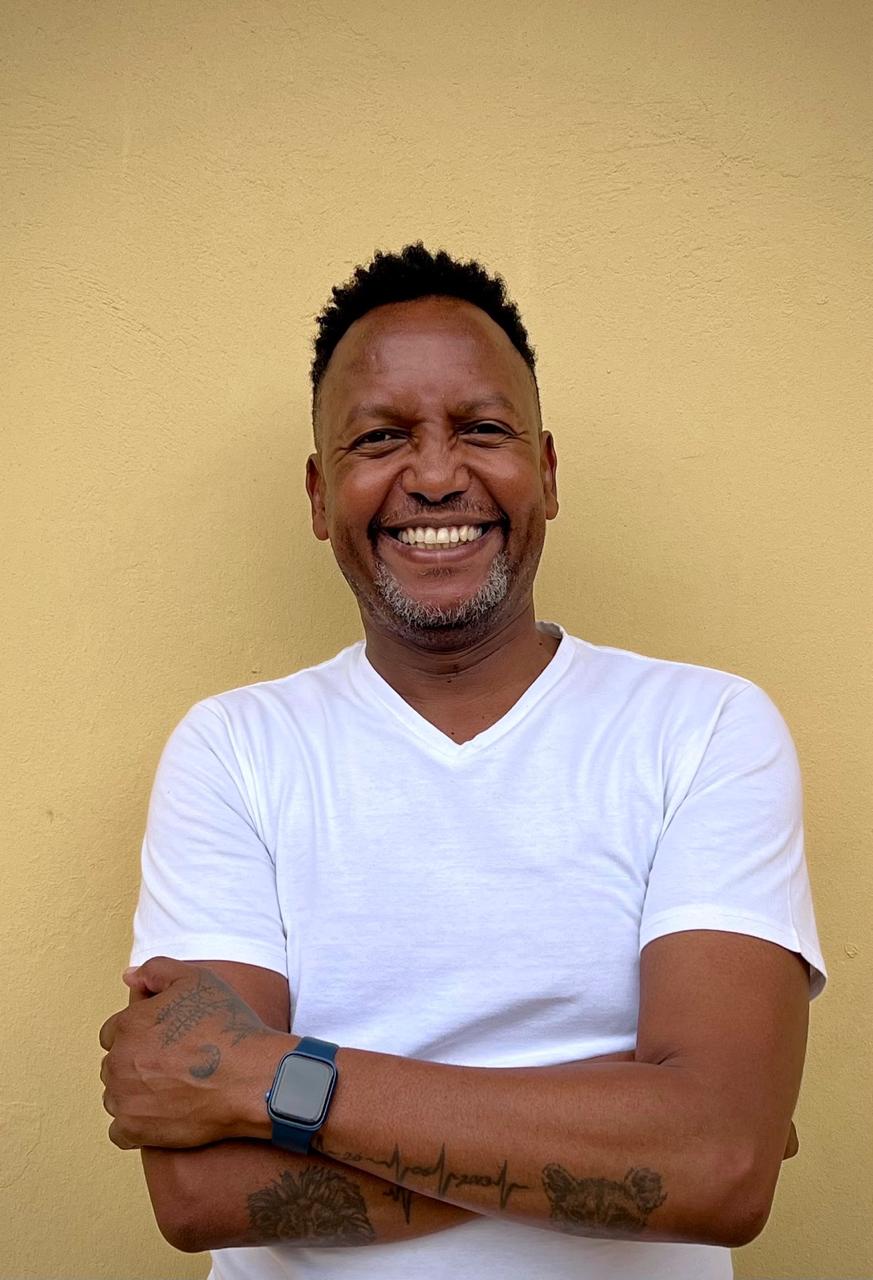
As a Black South African of Xhosa and Scottish descent who carries English names and a surname, this is not a theoretical debate for me; it is my lived reality. Throughout my life and professional journey, I have frequently navigated the friction of other people’s rigid expectations. I have faced skeptical looks, subtle dismissals, and people explicitly questioning “who I really am,” simply because my name, my appearance, and my full ancestral background do not align with their narrow visual or cultural stereotypes.
When your name doesn’t fit a pre-packaged category, your very identity becomes a subject of debate for outsiders. This constant questioning is a quiet, subtle form of erosion. It attempts to force a rich, multifaceted inheritance into a rigid, artificial box. When this same gatekeeping enters professional spaces, boardrooms, or media studios, it ceases to be a personal friction point and becomes an institutional barrier to authentic human dignity.
The Invalidation of Identity Policing
Identity policing occurs when authority figures, whether corporate executives, media owners, or organizational leaders, arrogate to themselves the right to decide which parts of an individual’s background are “valid” or “acceptable” to express.
When an individual is told to suppress or erase a part of their lineage under the pretext that it does not fit a predetermined cultural mold or corporate brand, it is not merely an editorial choice. It is a profound invalidation of human dignity.
Suppressing someone’s non-African, mixed, or unique lineage because it fails to align with a narrow definition of heritage is a form of cultural gatekeeping. It sends a chilling message: You are only welcome here if you flatten yourself to fit our expectations.
This form of discrimination is particularly insidious because it often hides behind the guise of promoting unity or adhering to a specific brand identity. In reality, it does the exact opposite. It breeds division, marginalizes those with complex identities, and fosters environments where authentic self-expression is penalized.
Beyond Tokenism: Moving to Authentic Inclusion
In the modern corporate and media landscape, terms like Diversity, Equity, and Inclusion (DEI) are frequently cited in mission statements and marketing campaigns. However, true inclusion goes beyond corporate buzzwords and surface-level representation.
True inclusion requires us to embrace the reality that diversity is complicated. It is not always uniform, neat, or easily categorized.
● Inclusion means accepting the whole person:Organizations cannot claim to value diversity while simultaneously editing out the parts of an employee’s background that feel unfamiliar or challenging to executive leadership.
● Inclusion rejects gatekeeping: No leader, manager, or platform owner has the moral or professional authority to police an individual’s bloodline, history, or self-identification.
● Inclusion demands equal dignity: When we allow power dynamic imbalances to silence specific cultural perspectives, we weaken the democratic principle that every citizen has an equal right to exist and be heard.
When we reduce people to rigid stereotypes or require them to pass a “cultural purity test” before granting them a platform, we fail the basic test of human respect.
The Role of Leadership and Media
Leaders in media, business, and public institutions hold a uniquely powerful responsibility. They are the gatekeepers of public narrative and workplace culture. When a leader acts out of personal bias, prejudice, or narrow-mindedness, the impact extends far beyond a single incident; it sets a standard for what the organization tolerates.
Narcissistic or authoritarian leadership that demands cultural conformity breeds toxic, fear-based environments. Conversely, courageous leadership actively creates space for nuance. It recognizes that honoring South African heritage means allowing space for all stories:
● The deep African lineages that ground us in this continent.
● The historical diaspora threads that connect us globally.
● The unique, combined identities that represent our modern reality.
To dismiss any part of an individual’s heritage on a day explicitly dedicated to celebrating history is not just hypocritical; it is a direct violation of the spirit of our constitutional democracy.
A Call for a Broadened Heritage Narrative
As we look toward the future, South Africa’s strength will depend on our ability to embrace complexity rather than fear it. Discrimination based on race, ethnicity, or perceived cultural authenticity has no place in our society, our newsrooms, or our boardrooms.
This Heritage Day, let us commit to expanding our definition of belonging. Let us stand against prejudice in all its forms, whether overt systemic racism or subtle cultural erasure.
We must build workplaces, media platforms, and communities where every person feels secure enough to claim their full inheritance, without fear of judgment, suppression, or rejection. Our heritage is not a zero-sum game; celebrating one part of who we are does not diminish another. It is the full, unvarnished truth of our individual and collective stories that makes us who we are.
*****
George Gill is an Experienced communications professional with more than 30 years of experience spanning Radio broadcasting, Communication, stakeholder engagement, event management, education, sales, and motoring journalist at phlywheelzcom.wordpress.com