
By Saul Molobi
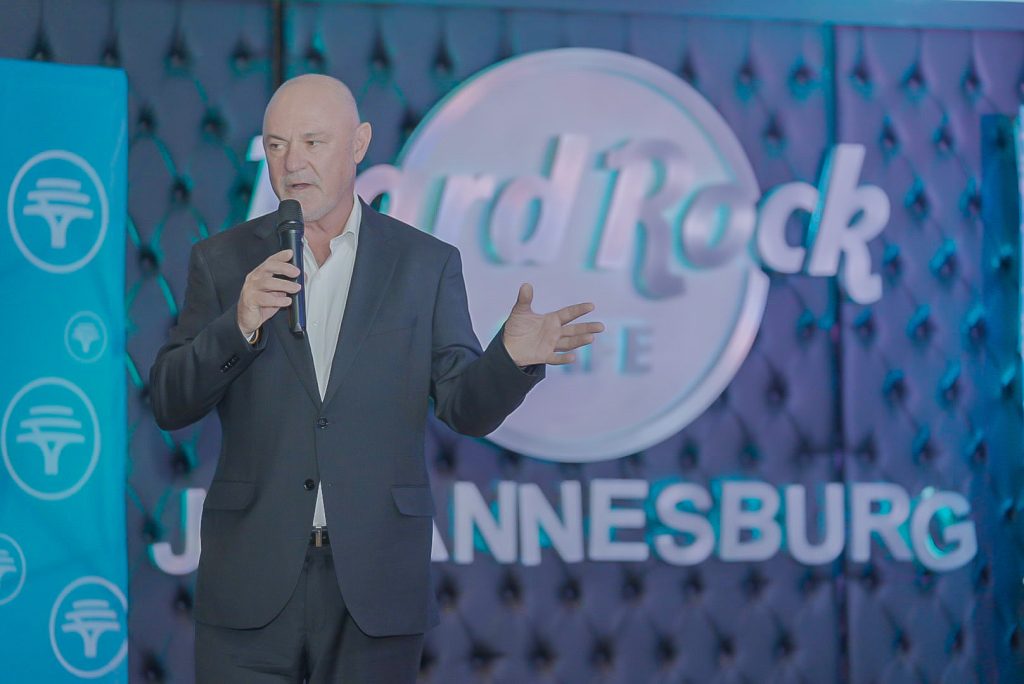
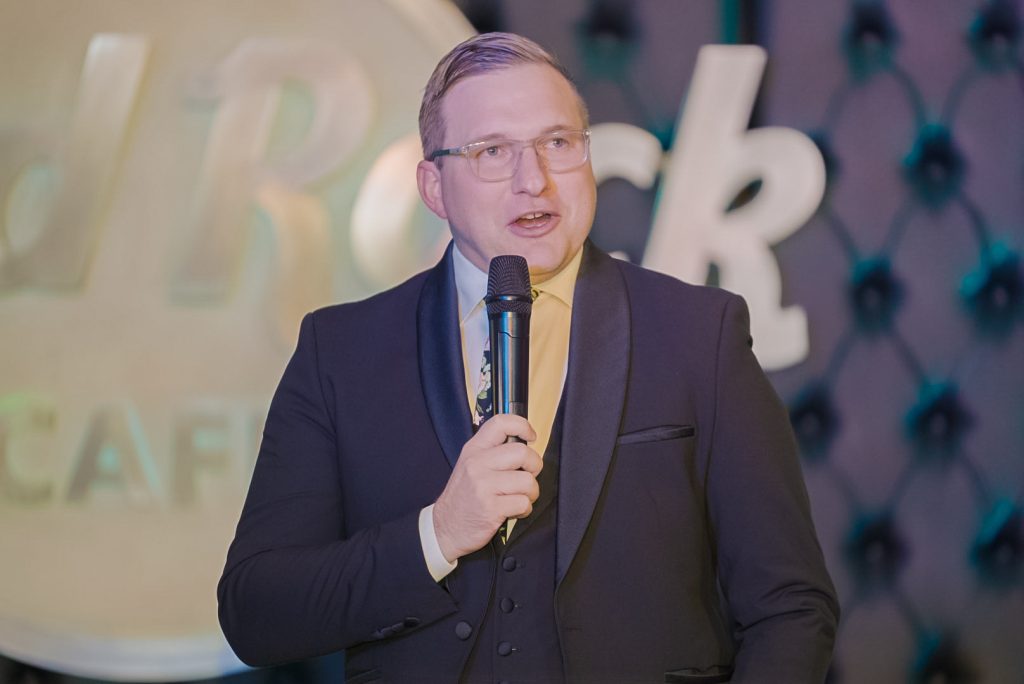
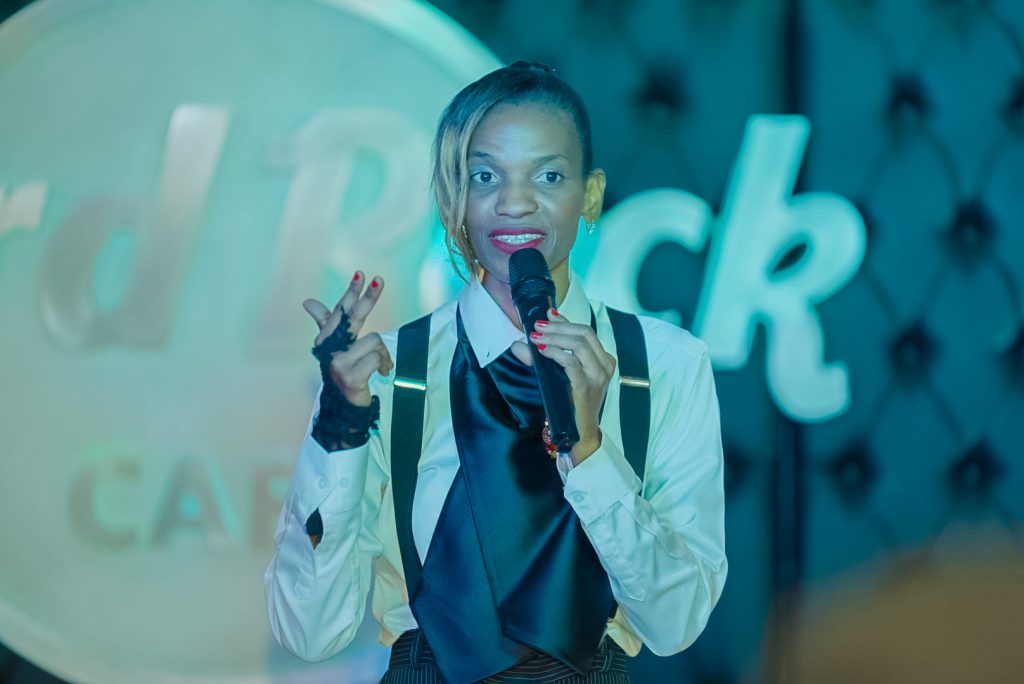
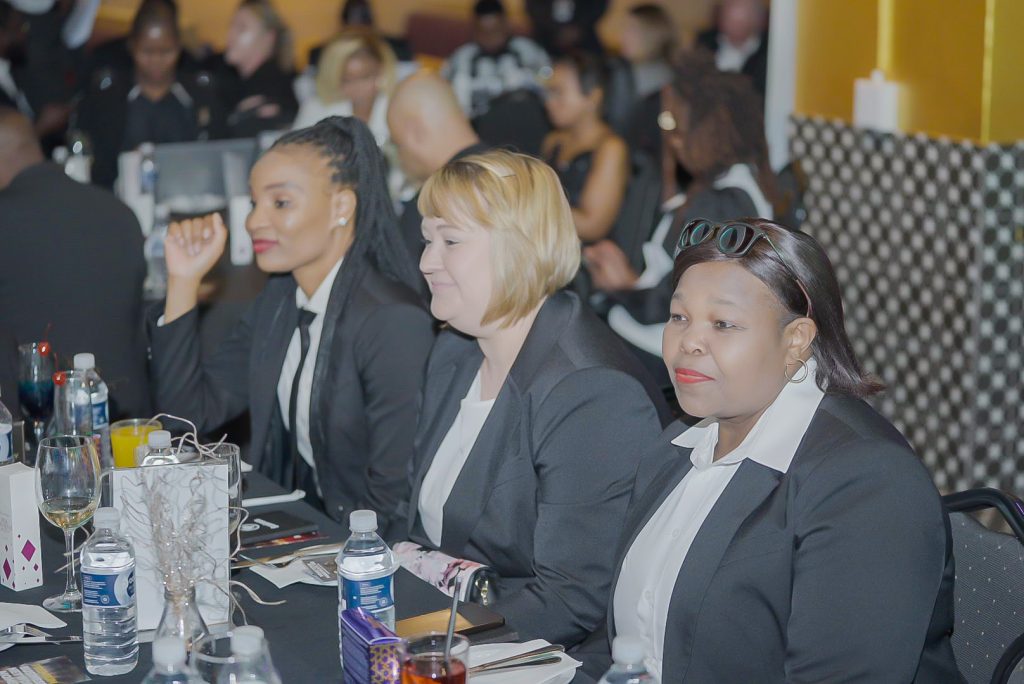
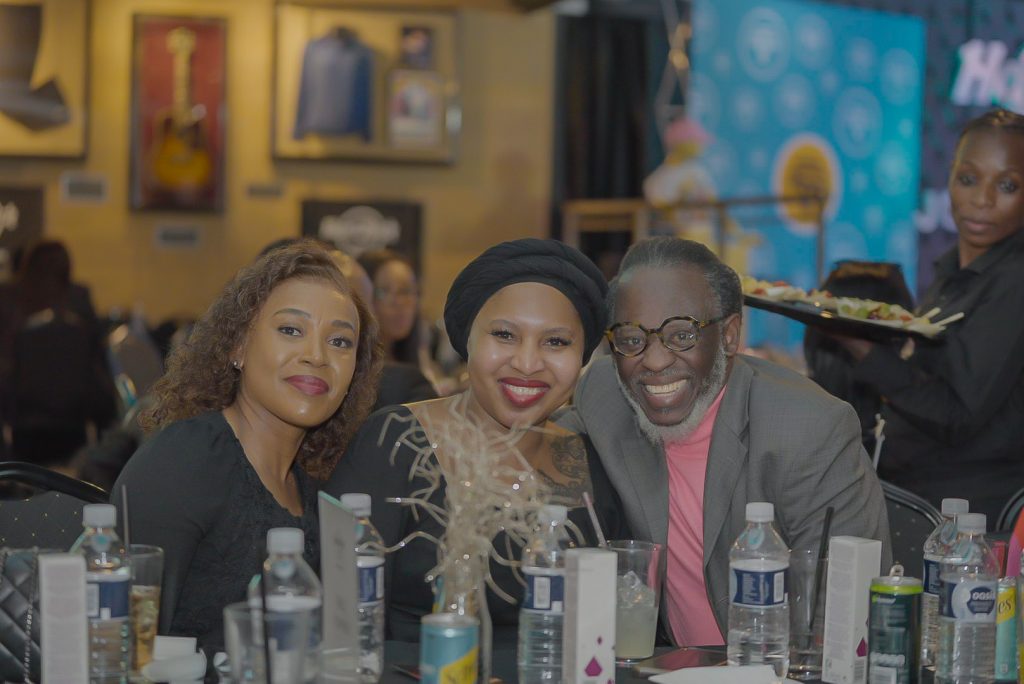
A new chapter in South Africa’s hospitality, tourism and events industries unfolded at the Hard Rock Cafe Sandton as influential leaders from across the visitor economy gathered in Johannesburg on 17 July 2026 for the “Premium Strategic Partnership Business Network”, an exclusive strategic engagement that demonstrated how collaboration is becoming the country’s most valuable tourism asset.
More than a networking event, the gathering was conceived as a business development platform where hospitality executives, destination management companies (DMCs), professional conference organisers (PCOs), tourism authorities, corporate event specialists, travel professionals and premium brands explored practical ways of integrating their products and services into seamless visitor experiences capable of increasing tourist spend, extending visitor stays and positioning Johannesburg as one of Africa’s leading experience destinations.
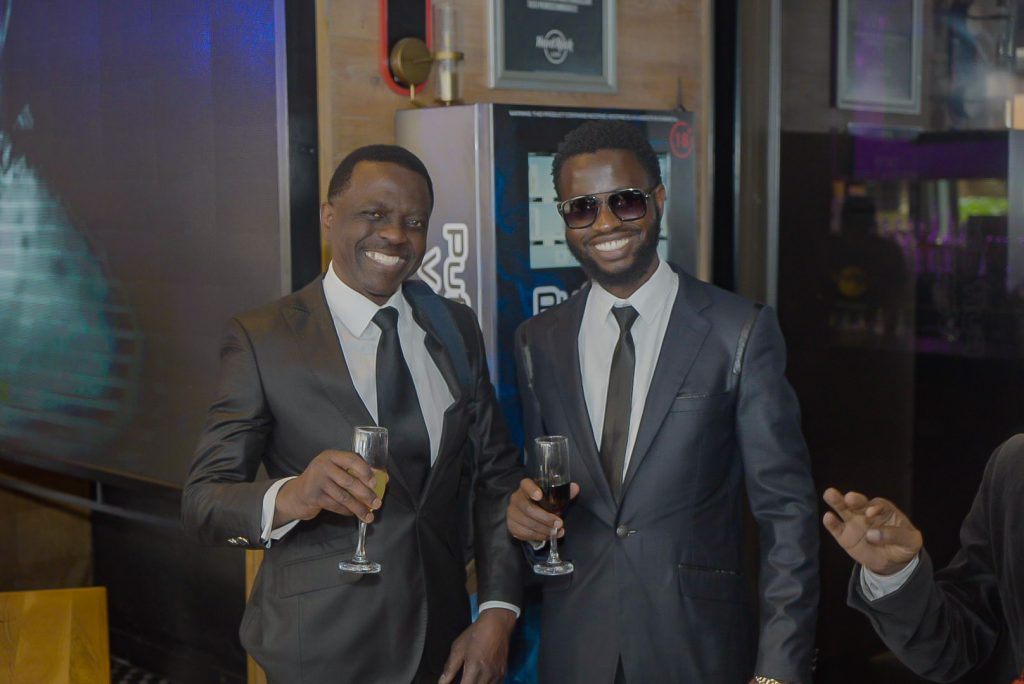
From the moment invited guests arrived on the red carpet, organisers sought to illustrate the central theme of the day – that every interaction contributes to the overall visitor journey. Luxury vehicles from Autonomy SA, premium lifestyle brands, professional photography, curated refreshments and informal executive networking transformed the arrival experience into a demonstration of how destination experiences begin long before delegates enter a conference venue.
Inside the venue, strategic discussions focused on one overarching question: How can South Africa create greater economic value by connecting industries that have traditionally operated independently?
The answers came from some of the country’s leading voices in tourism, hospitality and business events.
From Networking to Commercial Partnerships
Unlike conventional business networking functions where participants merely exchange business cards, the Premium Strategic Partnership Business Network was deliberately structured around identifying commercial partnerships capable of producing measurable business outcomes.
Representatives from hotels, airlines, destination management companies, event organisers, tourism operators, entertainment providers, corporate brands and technology partners were encouraged to explore integrated business models that combine accommodation, transport, conferencing, dining, entertainment and leisure into market-ready visitor experiences.
The approach reflects a significant shift within global tourism.
Travellers increasingly expect destinations to offer complete, personalised journeys rather than isolated tourism products. The traditional model – where hotels sell accommodation, restaurants sell meals, attractions sell tickets and event organisers host conferences independently – is gradually giving way to collaborative ecosystems where every business contributes to a unified visitor experience.
For South Africa, whose tourism sector continues to recover and diversify, such collaboration offers opportunities to increase average visitor expenditure, encourage longer stays and generate broader economic benefits across multiple industries.
Johannesburg Reimagined
Although Johannesburg remains South Africa’s principal commercial gateway, speakers argued that the city is rapidly evolving into a destination in its own right.
Its combination of business infrastructure, cultural heritage, entertainment districts, shopping, gastronomy, sporting events, music, creative industries and nightlife places it in a unique position to compete with major international urban destinations.
Yet changing global perceptions requires more than marketing campaigns.
It requires collaboration.
That message was emphasised by David Frost, Chief Executive Officer of the Southern Africa Tourism Services Association (SATSA), who noted that tourism products become significantly more attractive when packaged together.
“Visitors don’t buy attractions – they buy experiences,” he said.
He explained that SATSA’s forthcoming strategic partnership with Joburg Tourism aims to transform Johannesburg’s diverse tourism offerings into integrated, bookable experiences capable of attracting domestic, regional and international visitors.
The initiative aligns closely with the city’s destination development strategy, which seeks to increase visitor numbers while encouraging travellers to remain in Johannesburg for longer periods instead of immediately continuing to other destinations.
Frost also highlighted the growing importance of the Jozi My Jozi campaign, which encourages residents to rediscover their own city.
According to him, destination marketing begins with local pride.
Residents who actively experience Johannesburg become ambassadors whose personal recommendations often carry greater credibility than traditional advertising.
Extending the Visitor Journey
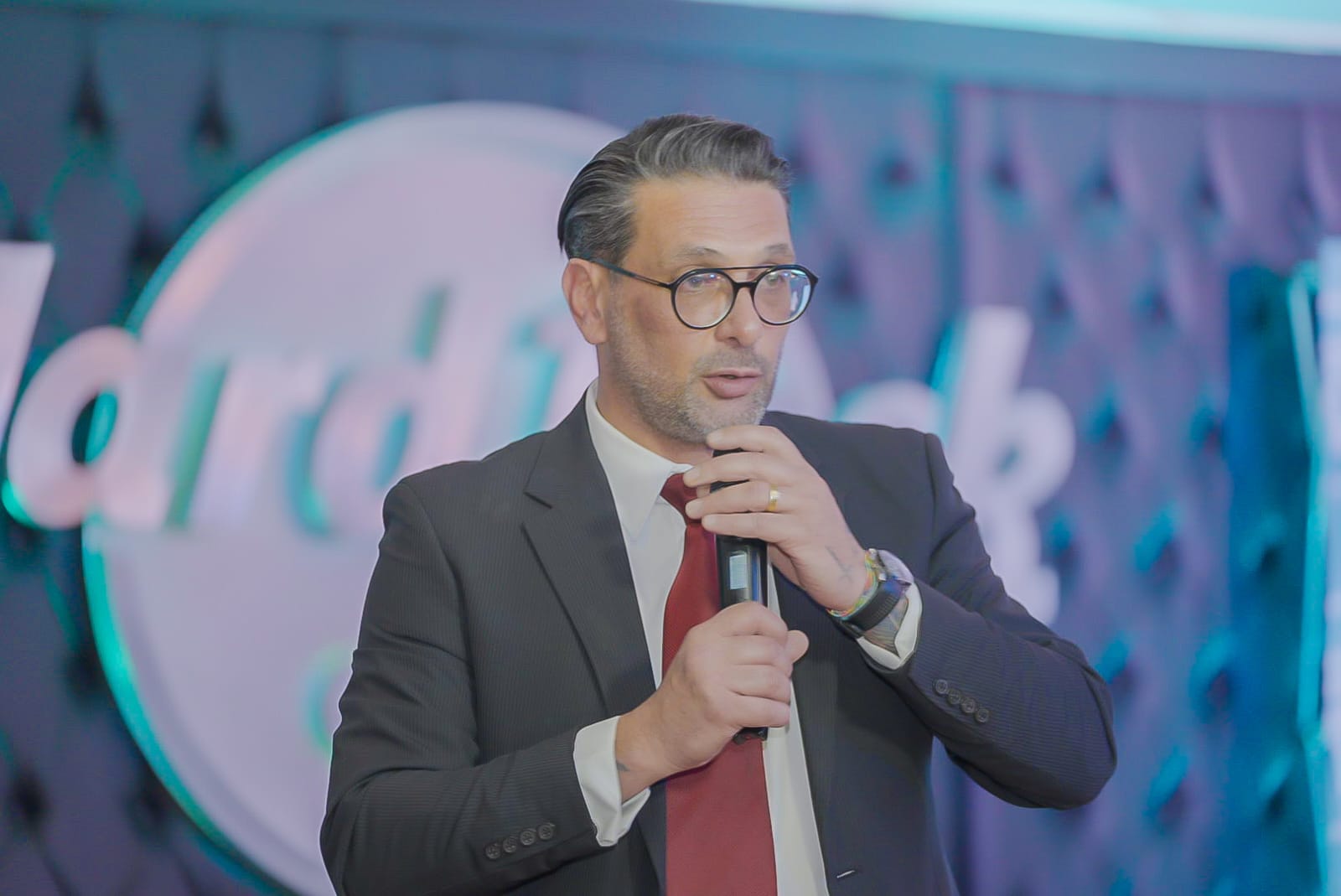
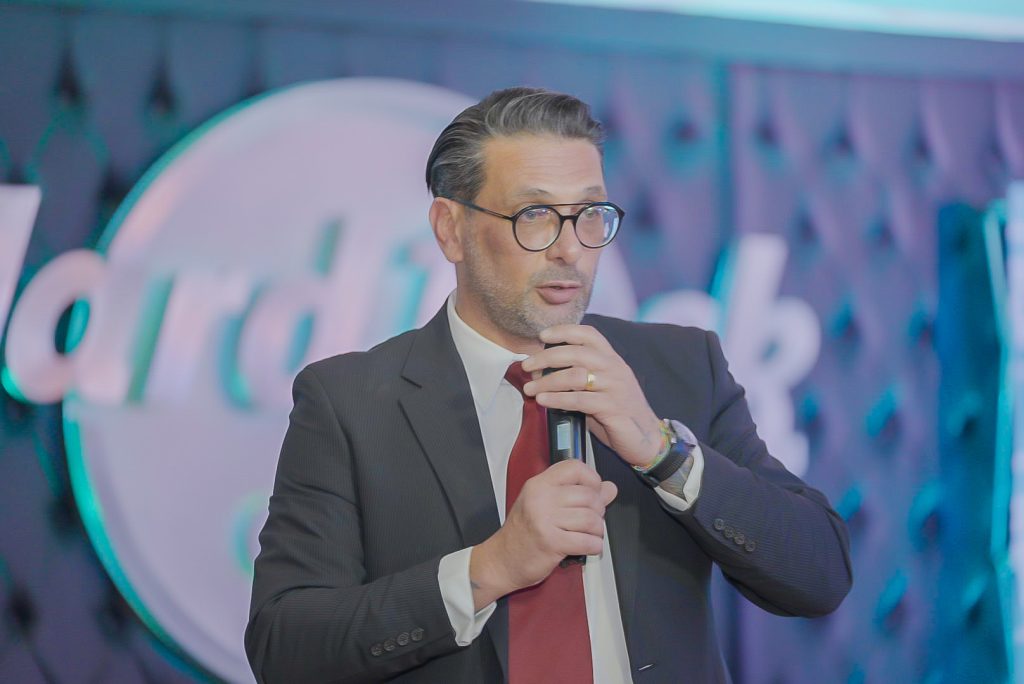
Perhaps the strongest commercial message of the afternoon came from Gianfranco Biancolli, General Manager of Hard Rock Cafe Johannesburg.
Drawing on years of experience within hospitality and events, Biancolli challenged delegates to reconsider one of the industry’s most overlooked moments – the period immediately after conferences, corporate functions or organised tours conclude.
Too often, he argued, carefully planned visitor itineraries simply end. Guests return to their hotels. Conference delegates disperse. Tour groups conclude their programmes. The commercial opportunity disappears.
Instead, Biancolli proposed viewing these moments as opportunities to extend visitor engagement.
Destination management companies could integrate premium entertainment into tour programmes.
Conference organisers could continue networking through curated evening experiences.
Corporate clients could strengthen stakeholder relationships beyond the boardroom.
Hotels could refer guests to trusted lifestyle partners.
Entertainment venues could become strategic extensions of destination experiences.
Rather than competing for visitor expenditure, businesses could collectively increase it.
“We don’t simply want people to attend events here,” Biancolli explained.
“We want organisations to host with us, collaborate with us and allow us to become part of their clients’ journey.”
His vision reflects an emerging international trend where destinations are increasingly measured not by individual attractions but by how effectively different sectors collaborate to produce memorable visitor experiences.
South Africa’s MICE Industry Comes of Age
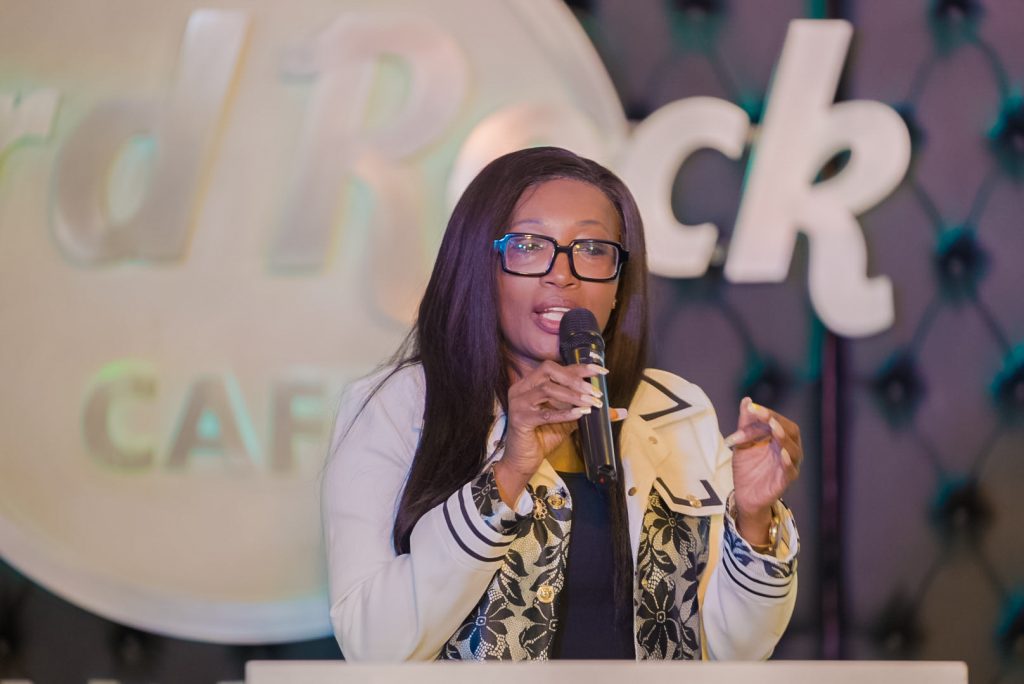
Representing South Africa’s professional conference organising community, Refilwe Moisa, Executive Director of Nara Group, delivered a comprehensive overview of the country’s growing influence within the global Meetings, Incentives, Conferences and Exhibitions (MICE) industry.
She argued that South Africa has progressed beyond merely offering conference venues.
Instead, it has established itself as a destination capable of delivering events with significant diplomatic, economic and social impact.
The successful hosting of the BRICS Summit, the Netball World Cup, the G20 Leaders’ Summit, the LIV Golf Tournament and the forthcoming Qatar Airways Premier Padel Tour demonstrates both the country’s organisational capability and its ability to attract global attention.
These events generate benefits extending far beyond delegate numbers. They stimulate investment. Support small enterprises. Create employment. Promote destination awareness. Strengthen international confidence. Develop professional skills. And generate lasting economic legacies.
According to Moisa, every successful international event represents the combined efforts of thousands of professionals whose expertise often remains invisible to delegates.
Behind every conference are technicians, security personnel, transport operators, caterers, interpreters, hospitality workers, venue teams, production specialists and event planners working together to create seamless experiences.
Artificial Intelligence Reshaping Events
One of the most forward-looking discussions centred on the growing role of artificial intelligence within the events industry.
Moisa explained that AI is already changing how conferences are designed and managed. Delegates now receive personalised recommendations based on professional interests. Registration processes have become faster and more efficient. Real-time translation technologies are breaking language barriers. Marketing campaigns are becoming increasingly targeted through predictive analytics. Attendance forecasting enables organisers to allocate resources more effectively.
Meanwhile, automated administrative systems allow event professionals to devote more time to strategic planning and relationship building.
Importantly, speakers rejected the notion that technology threatens employment within the sector.
Instead, AI was presented as a tool that enhances human capability by removing repetitive administrative tasks while allowing professionals to focus on creativity, innovation and personalised service.
Hospitality Beyond Accommodation
The hospitality industry faces similar transformation.
Speaking on behalf of Hard Rock Cafe Johannesburg, Blessing Mmola argued that hotels must now think beyond rooms, restaurants and facilities.
Today’s travellers increasingly evaluate destinations through emotional experiences rather than physical infrastructure.
“The biggest risk in your hotel today is not an empty room – it is a bored guest,” he remarked.
For international visitors especially, the evening often determines how they remember an entire destination.
Hotels therefore have an opportunity to create greater value by connecting guests with trusted local experiences, premium entertainment, cultural attractions and nightlife.
Rather than increasing operational complexity, such partnerships enable hospitality establishments to improve guest satisfaction while generating additional revenue opportunities through referrals and packaged experiences.
In an era where online reviews strongly influence travel decisions, memorable experiences have become essential components of destination competitiveness.
Building an Integrated Visitor Economy
A common thread emerged throughout the day’s discussions.
The future belongs to integrated ecosystems rather than isolated businesses.
Hotels need restaurants. Restaurants need tourism operators. Tourism operators need event organisers. Event organisers need airlines. Airlines need destinations. Destinations need local communities. Communities need thriving businesses. Each sector strengthens the other.
This philosophy aligns closely with international best practice, where successful destinations increasingly compete through collaboration rather than fragmentation.
For Johannesburg, whose visitor economy continues to diversify, such integration offers opportunities to strengthen both domestic tourism and international competitiveness.
Looking Ahead
As South Africa prepares to host more international sporting events, trade exhibitions, investment conferences and global business gatherings, the Premium Strategic Partnership Business Network demonstrated that the country’s greatest competitive advantage lies not only in its infrastructure or natural attractions, but in its willingness to build meaningful partnerships.
The event concluded with renewed commitments to deepen collaboration across hospitality, tourism, conferencing, entertainment and destination marketing, while embracing innovation, sustainability and technology.
Ultimately, delegates left with a shared conviction that South Africa’s tourism success will be measured not by the number of visitors it welcomes alone, but by the quality of experiences it creates, the partnerships it nurtures and the economic opportunities it generates for businesses and communities alike.
As one speaker observed during the day’s discussions, the future of tourism belongs to destinations that understand a simple truth: visitors may arrive for a conference, a business meeting or a hotel stay – but they remember the experiences that make them feel connected.
That, delegates agreed, is where South Africa’s greatest opportunity now lies.
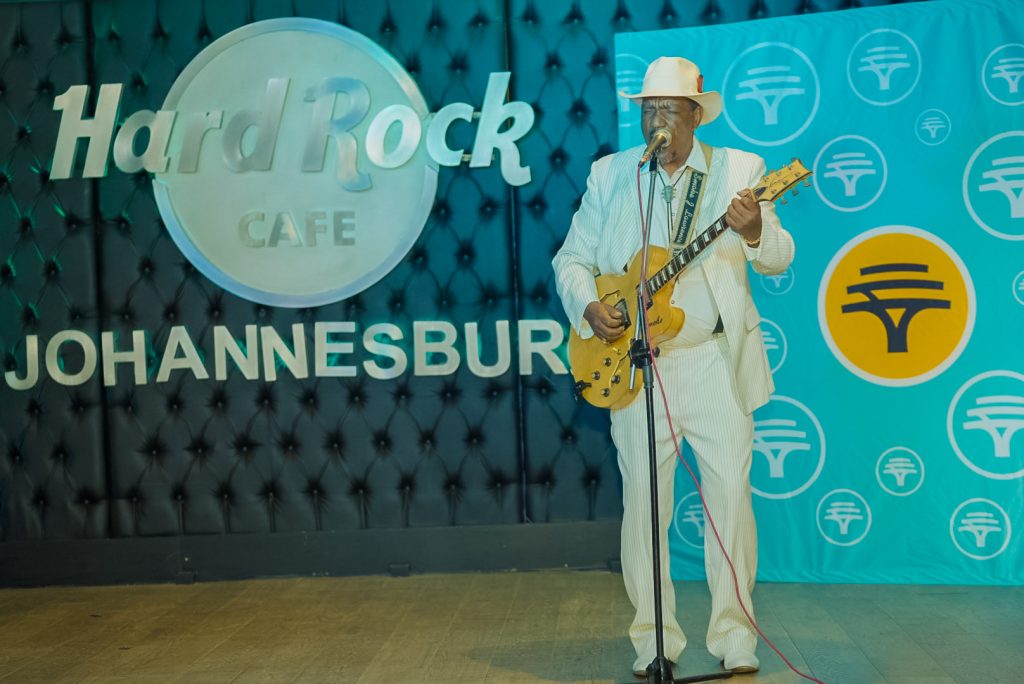
Entertainment for the evening was provided by the legendary blues maestro, Smoke J Lawrence, whose soulful performance captivated the audience and created the perfect soundtrack for an evening of meaningful engagement, strategic networking, and celebration. With his unmistakable artistry and commanding stage presence, he delivered a memorable musical experience that added warmth, sophistication, and timeless appeal to the occasion.