By Saul Molobi
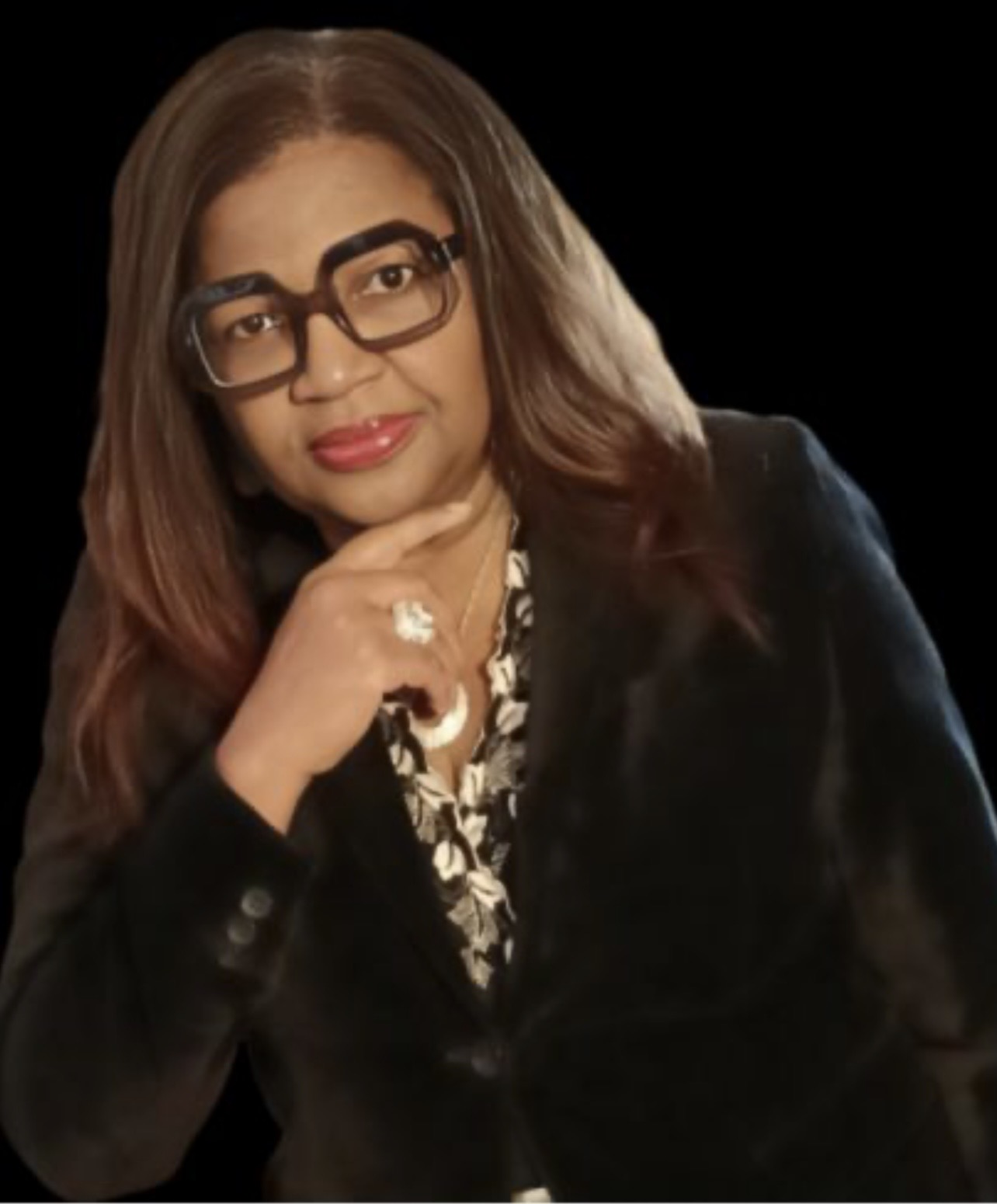
When Karine Barclais speaks about Africa, the Caribbean and the global Black diaspora, she does so not as an observer but as someone who has spent decades building bridges between cultures, industries and communities across continents.
Born in Martinique and inspired by the resilience of the Caribbean women known as poto mitan — the pillar who hold families and communities together — Barclais has dedicated her life to creating opportunities for people whose voices and talents have often been overlooked. A cultural strategist, entrepreneur and advocate for inclusive economic development, she has become one of the most influential connectors between Africa, its diaspora and the global creative economy.
Her journey spans four continents and six languages. Educated in the United Kingdom at Portsmouth Polytechnic and in France at HEC Paris, she has lived and worked in countries as diverse as Poland, Rwanda, Spain and the United Kingdom. Her professional experience extends across Europe, Africa, Asia, the Middle East and the Americas.
Long before diversity and inclusion became fashionable corporate buzzwords, Barclais was already championing economic empowerment. She founded the Réseau Francophone des Femmes d’Affaires Noires (RFFAN), a network dedicated to empowering Black women entrepreneurs across the Francophone world. Through her consultancy, Kbey & Partners, she has advised businesses, entrepreneurs and institutions on economic intelligence, sustainability and international investment opportunities.
Her expertise has seen her lead high-level delegations to major global investment platforms, including the Annual Investment Meeting in Dubai and Abilitiesme in Abu Dhabi. In 2016 she established Kbey Business Services in Togo, strengthening her engagement with African markets and entrepreneurs.
Yet it is in the creative industries that Barclais has arguably made her most visible mark.
In 2019 she founded Pavillon Afronova, the first and only pavilion at the Cannes Film Festival dedicated exclusively to Africa and its global diaspora. What began as a bold experiment has evolved into one of the festival’s most important cultural and business platforms, providing filmmakers, producers, investors and distributors of African descent with a space to network, collaborate and access international markets.
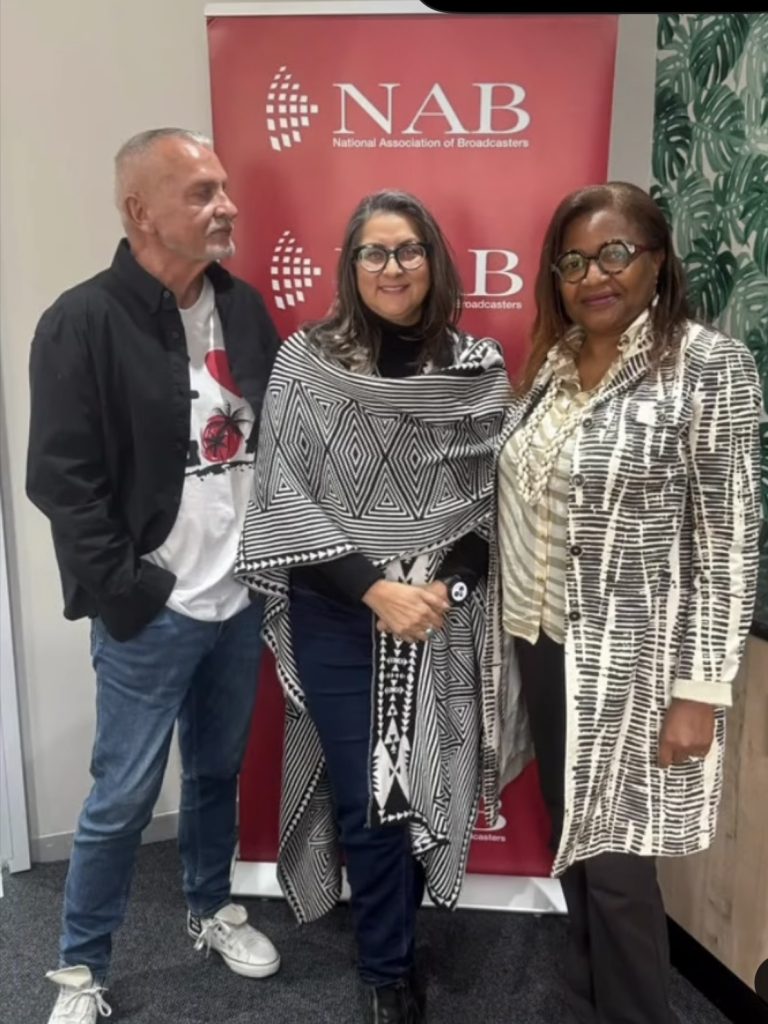
Yesterday Barclais reflected on the growth of the initiative and her vision for the future during a wide-ranging conversation with me. She has been in South Africa as a guest of the annual Nelson Mandela Children’s Film Festival (NMCFF), a platform that uses the power of storytelling and cinema to inspire, educate and empower young people.
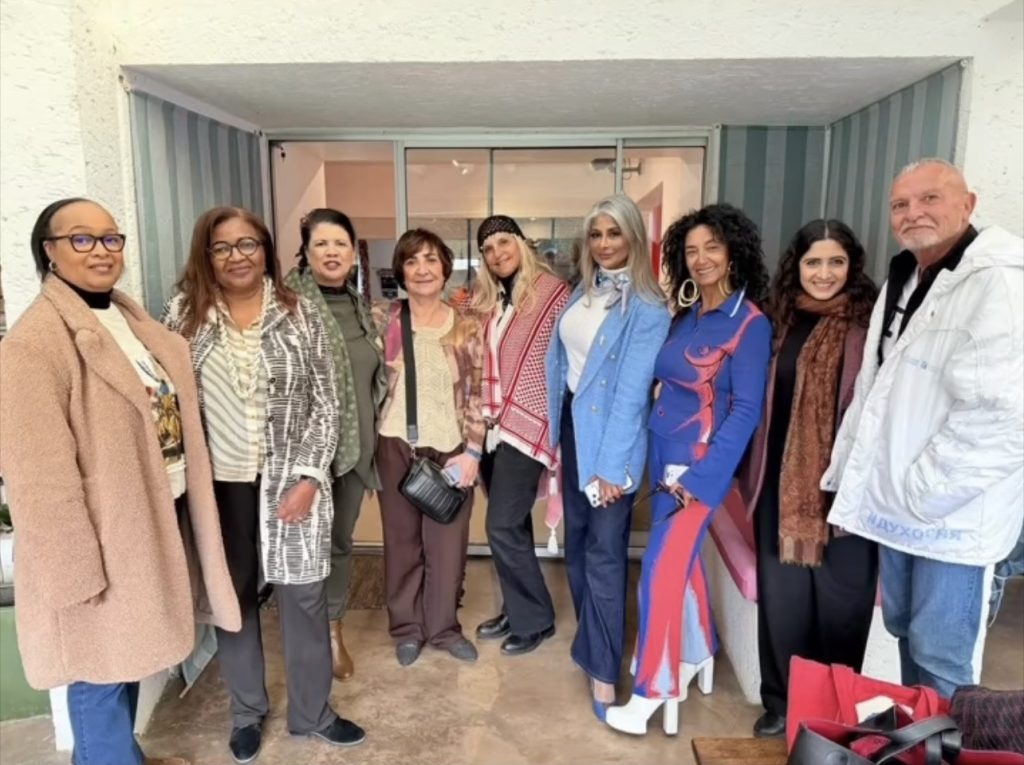
In recognition of her outstanding contribution to the promotion of African and diasporic cinema, cultural exchange and inclusive creative development, Barclais was honoured with the prestigious Lifetime Achievement Award 2026 at a glittering ceremony held on Monday evening at the iconic Sanctuary Mandela in Johannesburg.
She joined a distinguished group of global changemakers and cultural icons whose work has positively impacted the lives of children and young people. Fellow recipients included John Kani, the internationally acclaimed South African actor, playwright and director whose body of work continues to shape global theatre and film; Jackie Motsepe, a respected leader in South Africa’s film industry; Sipho “Hotstix” Mabuse, the legendary musician whose music has long reflected social consciousness and preserved the nation’s cultural memory; Josep Arbiol of Spain, Director of the MICE Film Festival; Prof. Dragan Milinkovic of France and Serbia, a renowned film and media educator; and Jomo Sono, South African football legend and tireless advocate for youth development.
Presenting the awards, Nelson Mandela Children’s Film Festival Director Firdoze Bulbulia said the honourees were selected not only for their professional achievements but also for their unwavering commitment to nurturing future generations.
“Each honouree reflects a shared belief in the dignity, creativity and potential of every child,” Bulbulia remarked.
For Barclais, the recognition served as a powerful affirmation of her belief that culture, storytelling and creative expression can be transformative tools for social change.
The award further cements her growing reputation as one of the leading global advocates for African cinema through the Pavilion Afronova, cultural diplomacy and the creative empowerment of young people across continents.
“For me, the Pavilion is more than a festival venue,” she explained. “It is a place where Africans and people of African descent from around the world can connect, collaborate and realise the collective power of our stories.”
Since its inception, the Pavilion has attracted participants from more than 70 countries. While African and diasporic filmmakers remain at its core, the platform has increasingly drawn participants from other cultural backgrounds eager to engage with African content and talent.
“The people who come to the Pavilion with a clear purpose leave with opportunities,” Barclais said. “They leave with partnerships, new networks and a broader understanding of what is possible when we work together.”
She noted that participation from North America continues to grow each year, with attendees actively recruiting colleagues and collaborators. Her hope is that more African institutions and stakeholders will embrace the platform as a strategic space for continental engagement.
“I would like to see more Africans taking ownership of these spaces. We have extraordinary stories, extraordinary creativity and extraordinary talent. We need to be intentional about positioning ourselves globally.”
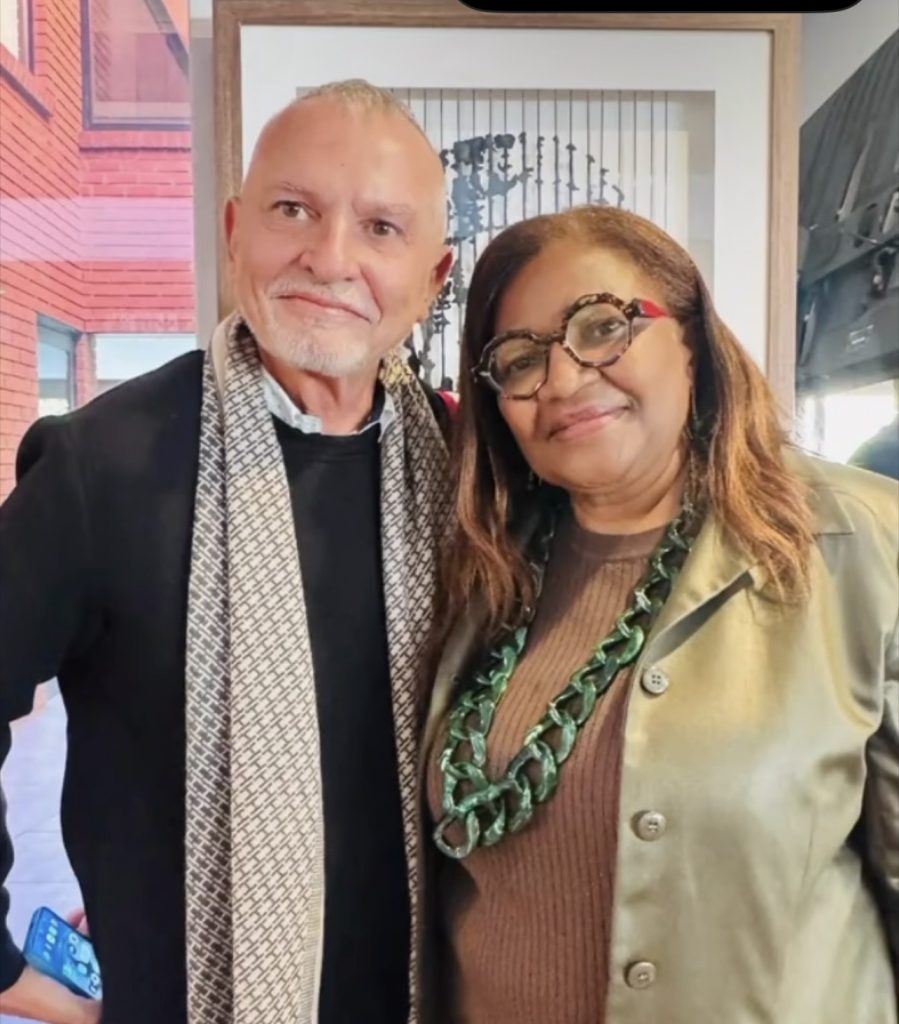
The conversation also touched on one of her latest initiatives. During the seventh edition of Pavillon Afronova at Cannes in 2026, Barclais announced the launch of Screen Odyssey, the world’s first cinematic Afro-Caribbean cruise, scheduled to sail in March 2027.
Designed as a unique convergence of film, culture, business and tourism, the initiative seeks to strengthen ties between Africa and the Caribbean while creating new opportunities for filmmakers, investors and cultural practitioners.
“It is not always easy for Africans to travel to the Caribbean,” she explained. “We wanted to create a reason for people to make that journey and to engage with others who can expand their vision, creativity and business opportunities.”
For Barclais, the initiative represents a natural extension of her life’s work.
“Our histories are interconnected. Our cultures are interconnected. The future should be interconnected too.”
Her first visit to South Africa proved equally significant.
Having dreamed of visiting the country for many years, she arrived with a deep sense of anticipation. While some of the country’s contemporary challenges gave her pause, she was encouraged by what she encountered at the Nelson Mandela Children’s Festival and the June 16 commemorations.
“There were moments when I wondered whether some of the values associated with Mandela’s vision were still being actively carried forward,” she said. “But then I met people who are doing extraordinary work in their communities and organisations. It reminded me that the spirit remains alive.”
Barclais was particularly struck by the commitment of South Africans who continue to advocate for social justice, inclusion and nation-building despite persistent challenges.
As an intervention, I emphasised the need for stronger collaboration between African institutions and global platforms such as Pavillon Afronova. I suggested that initiatives such as the African Export-Import Bank’s CANEX programme could potentially work with the Pavilion to showcase and promote African-funded film projects.
Barclais welcomed the idea, stressing that Africa’s creative economy cannot reach its full potential without strategic partnerships.
“Culture is not only about entertainment,” she said. “It is about economic development, investment, identity and social transformation. When people understand that, they begin to see the creative industries differently.”
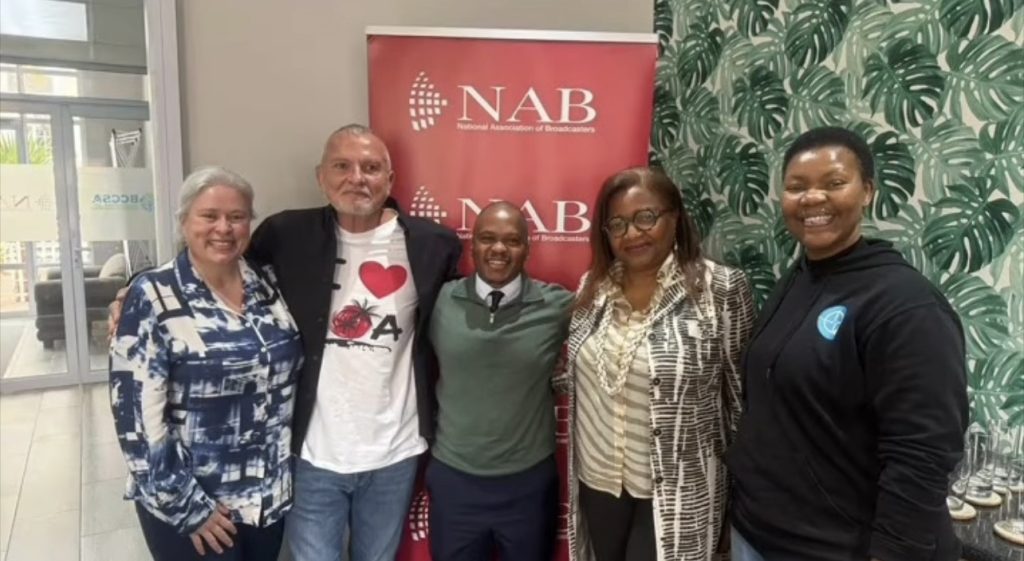
As the conversation unfolded, one theme emerged repeatedly: connection.
Whether connecting Africa to its diaspora, filmmakers to investors, cultures to markets or communities to one another, Barclais has spent her career creating spaces where meaningful relationships can flourish.
That role has earned her recognition as far more than a cultural entrepreneur. She has become a catalyst for change, helping unlock opportunities, amplify underrepresented narratives and shape a more inclusive global creative economy.
As Africa’s creative industries continue their rapid growth, leaders such as Karine Barclais are demonstrating that storytelling can do far more than entertain. It can build bridges across oceans, create economic opportunities and reconnect people whose histories have long been intertwined.
For Barclais, that mission remains unfinished.
“The future belongs to those who collaborate,” she said. “And collaboration begins with creating spaces where people can meet, share ideas and imagine new possibilities together.”
In many ways, Pavillon Afronova, Screen Odyssey and her decades of advocacy represent exactly that: spaces where new possibilities for Africa and its global diaspora are being imagined, one conversation at a time.