
By Charley Nkadimeng
Africa’s digital economy is forecast to become one of the continent’s greatest drivers of economic growth over the coming decades. Yet despite billions invested in telecommunications infrastructure, millions of people living in rural communities remain on the margins of the digital revolution. Added to the conundrum is the real possibility of government, industry and civil society working in isolation rather than collaboration to tackle the challenge.
Whilst governments are understandably focused on creating digital governments, the Linkage Group strives to ensure that communities are not left behind.
Of course the challenge is no longer simply about industry and the state pursuing expansion of network coverage. It is about ensuring that the communities hosting digital infrastructure become active participants — and beneficiaries — of the value it creates.
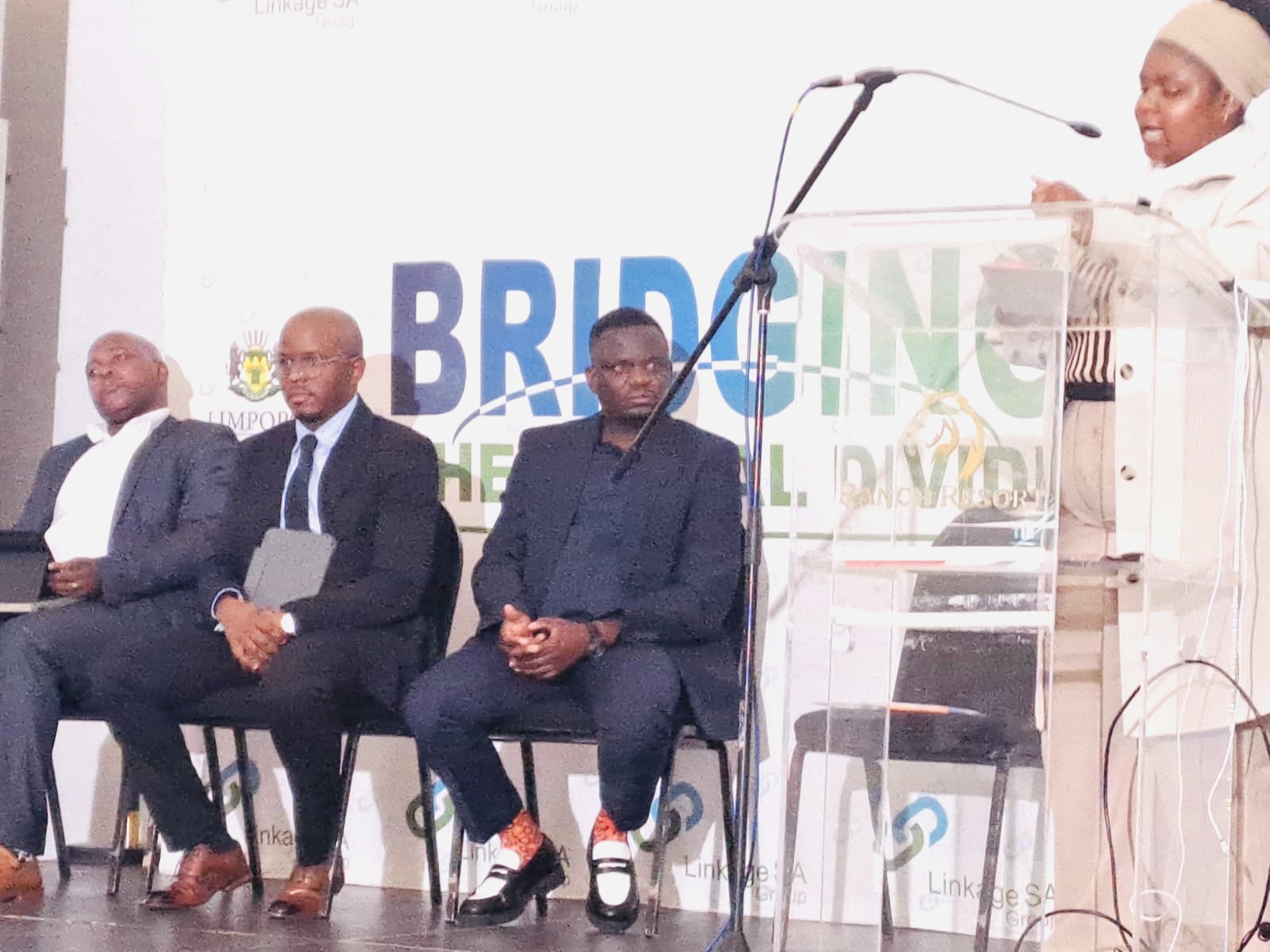
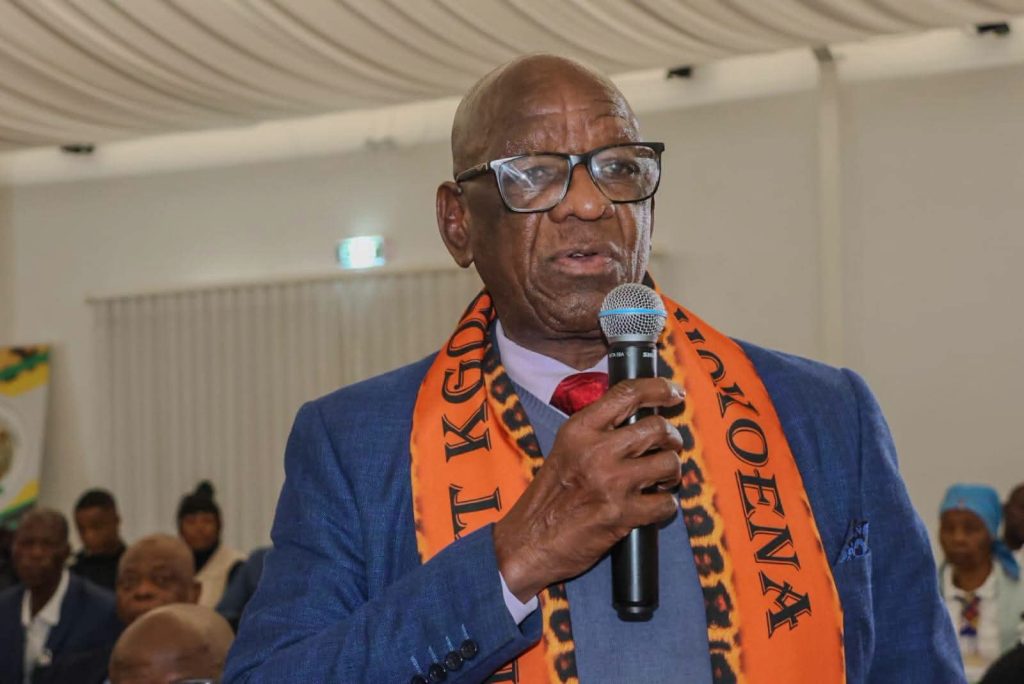
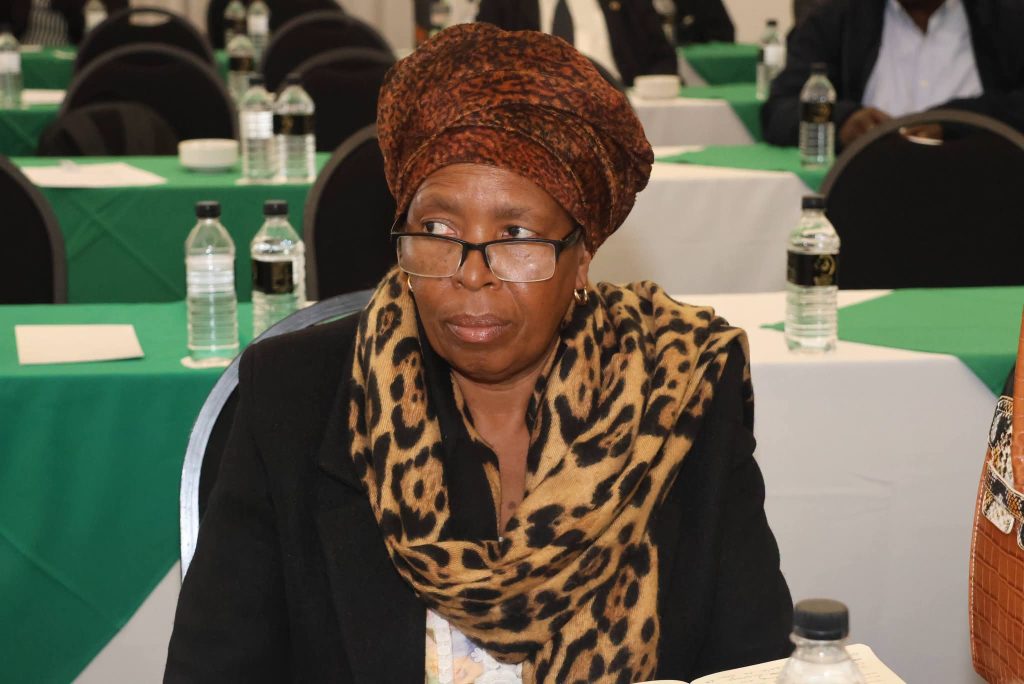
This was the central message emerging from the 2nd Linkage SA Group Conference on Bridging the Digital Divide, held on 23 July 2026 in Polokwane, Limpopo Province, South Africa.
The conference has rapidly established itself as one of Africa’s most innovative platforms for bringing together traditional leaders, government, regulators, development finance institutions, academia, investors and the telecommunications industry to develop practical solutions for inclusive digital development.
Rather than focusing solely on policy debates, delegates concentrated on building an implementation framework that seeks to transform rural communities into strategic partners in Africa’s digital economy.
A New Development Paradigm
For decades, telecommunications infrastructure has largely been deployed through conventional commercial models in which communities provide access to land while economic benefits accrue elsewhere.
The Linkage SA Group Conference challenged this approach.
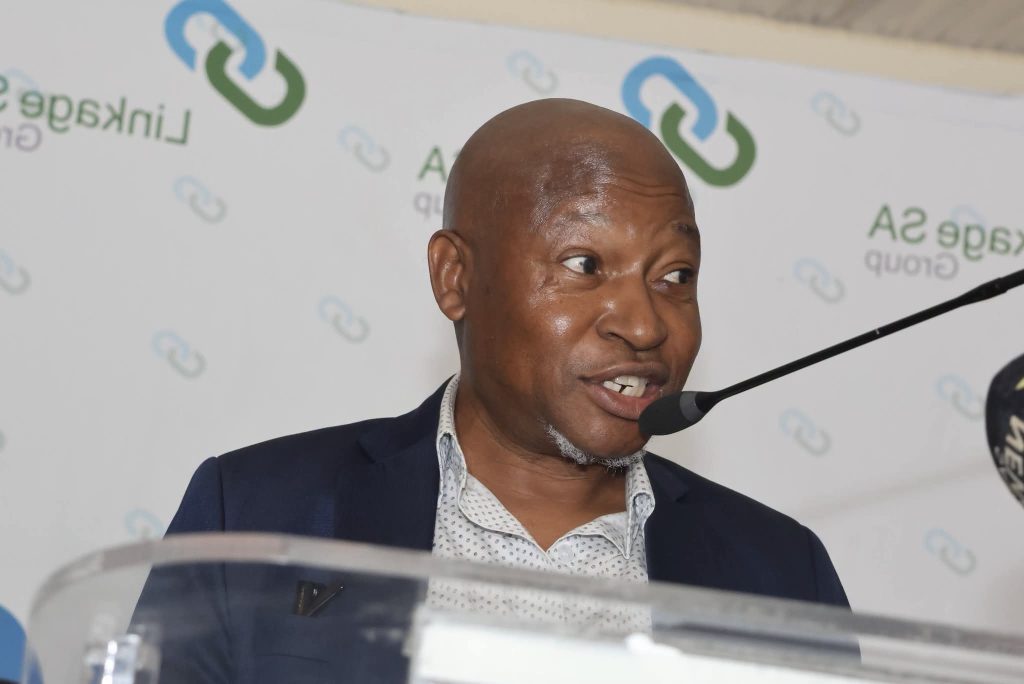
Its vision is based on a simple but transformative proposition: communities should not merely host digital infrastructure — they should participate in its ownership, governance and long-term economic value.
This philosophy represents a significant shift in thinking. By positioning traditional authorities as strategic development partners rather than passive stakeholders, the conference highlighted how local institutions can accelerate infrastructure deployment while strengthening social licence, reducing project delays and creating more sustainable investment outcomes.
In an era where environmental, social and governance (ESG) considerations increasingly influence investment decisions, the Linkage model presents an African solution rooted in partnership, inclusion and shared prosperity.
From Dialogue to Action
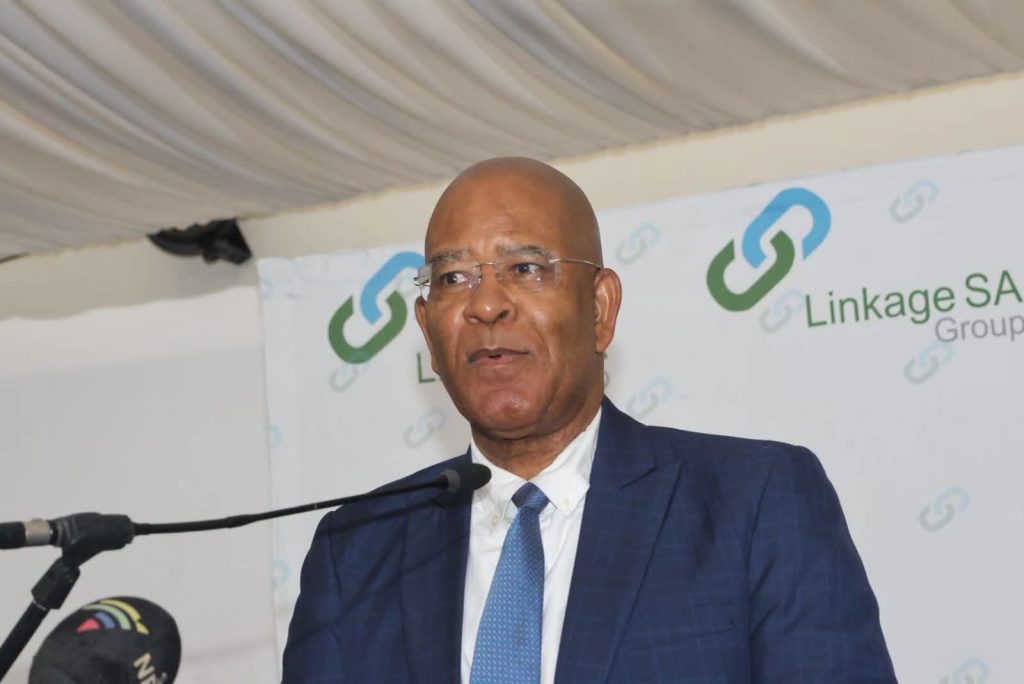
Unlike many conferences that conclude with aspirational declarations, the Linkage SA Group gathering produced a clear implementation agenda.
Delegates endorsed the urgent need for a feasibility study on community ownership models for telecommunications and AI infrastructure, ultimately designed to facilitate long-term partnerships between traditional communities, mobile network operators, AI companies, infrastructure investors and technology providers.
The end result will be a community owned company that would seek to unlock investment into rural telecommunications infrastructure, and develop sustainable funding mechanisms, while creating opportunities for local participation in the rapidly expanding digital economy.
The emphasis throughout the conference was on execution rather than aspiration.
Strategic Partnerships Driving Momentum
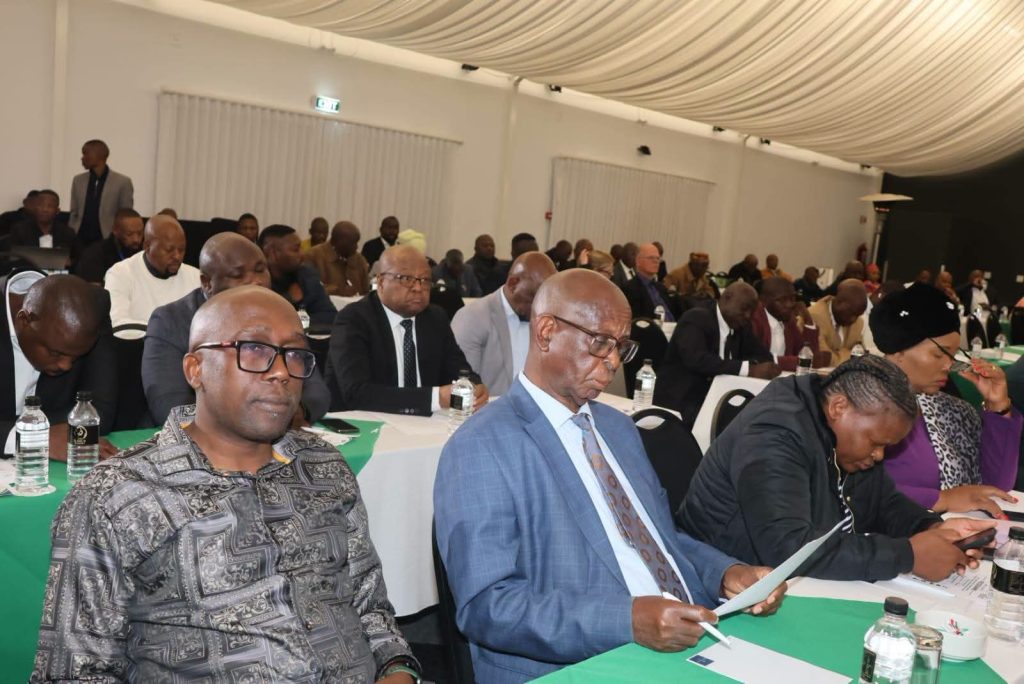
One of the conference’s greatest strengths was the diversity of institutions supporting its vision.
Kagiso Trust, one of South Africa’s leading development organisations, reaffirmed its commitment to community-centred development and inclusive economic participation, providing important momentum behind the initiative.
The conference also benefited from the principled support of the Limpopo and Mpumalanga Houses of Traditional and Khoi-San Leaders, reinforcing the important role of traditional leadership in advancing South Africa’s digital transformation agenda.
Development Bank of Southern Africa (DBSA), University of Johannesburg and others, regulators and ICT stakeholders participated in discussions aimed at strengthening collaboration around infrastructure investment, research, innovation, digital skills and institutional capacity. At the centre of these discussions were traditional authorities providing content and shaping resolutions.
Several organisations indicated their willingness to explore partnerships supporting implementation of the conference resolutions, reflecting growing confidence in the Linkage SA Group model.
Unlocking Investment Through Community Partnership
One of the most compelling themes emerging from the conference was that rural digital infrastructure should be viewed not as a development cost but as an investment opportunity.
Across Southern Africa, thousands of telecommunications towers will be required over the next decade to support 4G expansion, 5G deployment, broadband connectivity, smart agriculture, digital education, e-health services and financial inclusion.
Traditional communities occupy extensive areas of strategically located land where much of this infrastructure will inevitably be built.
By establishing structured partnerships between communities, investors and telecommunications operators, Africa has an opportunity to create new models of infrastructure ownership that improve project sustainability while ensuring broader participation in economic value creation.
Such models also align closely with the objectives of the African Continental Free Trade Area (AfCFTA), whose ambitions depend heavily on expanded digital connectivity and cross-border digital commerce.
Digital Inclusion as an Economic Strategy
The conference also challenged the tendency to frame digital inclusion purely as a social responsibility issue.
Delegates argued that digital infrastructure should instead be recognised as a strategic economic asset capable of stimulating entrepreneurship, attracting investment, improving education, strengthening healthcare delivery and creating employment opportunities.
Reliable connectivity increasingly determines whether communities can participate in modern economic activity.
Without digital access, rural enterprises remain excluded from e-commerce, young people struggle to access digital education, healthcare innovations fail to reach vulnerable populations and local economies become increasingly disconnected from national and international markets.
Closing the digital divide therefore represents not only a technological imperative but an economic necessity.
An African Model with Continental Relevance
Although rooted in South Africa, the significance of the Linkage SA Group Conference extends well beyond national borders.
Across Africa, governments face similar challenges: balancing infrastructure investment with community participation, attracting private capital while advancing inclusive development and ensuring that digital transformation benefits both urban and rural populations.
The conference demonstrated that these objectives need not be mutually exclusive.
By bringing together traditional institutions, investors, government agencies, universities and development organisations within a common implementation framework, the Linkage model offers practical lessons for policymakers across the continent.
It also reinforces the growing recognition that Africa’s development challenges require African-designed solutions that reflect local governance systems, community structures and socio-economic realities.

Looking Forward
The success of the 2nd Linkage SA Group Conference will ultimately be measured not by attendance figures or speeches delivered, but by the projects that emerge from its resolutions.
The establishment of the proposed tower company, mobilisation of investment capital, completion of feasibility studies and expansion of partnerships will determine whether the conference becomes a milestone in Africa’s digital transformation journey.
Early indications suggest that the momentum generated in Polokwane is likely to continue.
With institutional support growing, investor interest increasing and implementation planning already underway, the conference has positioned Linkage SA Group as an emerging catalyst for community-led digital infrastructure development.
As Africa accelerates towards a digitally connected future, one lesson from Polokwane is becoming increasingly clear: sustainable digital transformation requires more than technology — it requires partnerships that place communities at the centre of development.
If the commitments made at the 2nd Linkage SA Group Conference translate into measurable outcomes, the event may well be remembered as the moment when rural Africa moved from being a passive recipient of digital infrastructure to becoming an active stakeholder in the continent’s digital economy.
For investors, policymakers and development institutions seeking scalable models of inclusive growth, that is a story worth following.
*****
Charley Nkadimeng is the Group CEO of Linkage SA Group, an activist for meaningful change and a champion for Africa’s participation in the digital society. He is available on charley@linkagegroup.co.za