
By Tshepo J Molobi
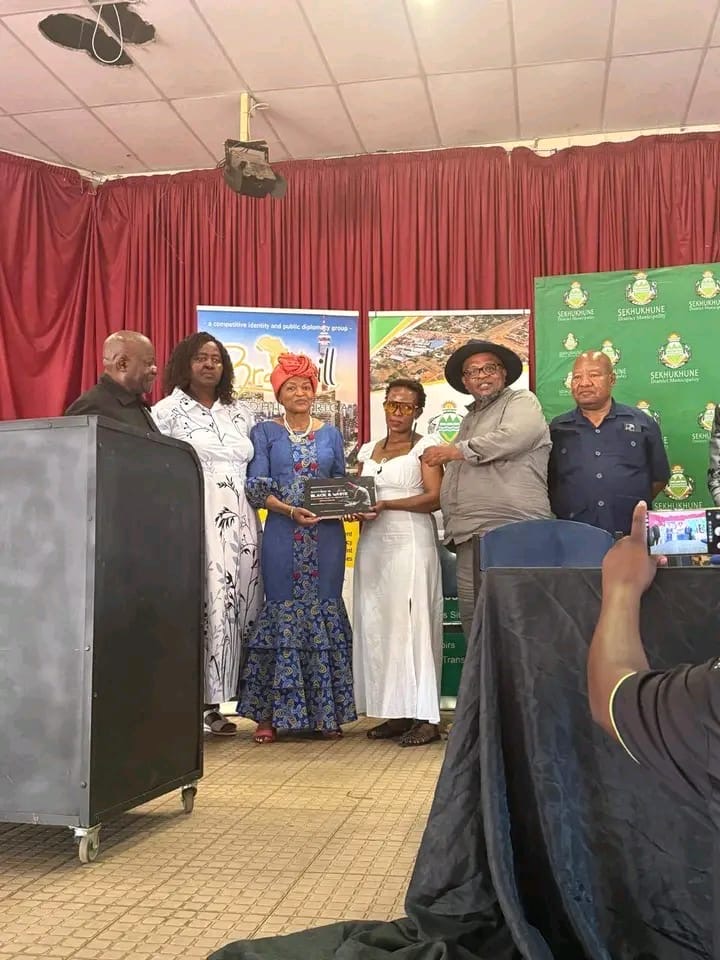
What began as a book launch on 29 November 2025 became a profound cultural homecoming when former Deputy President of South Africa, Baleka Mbete, travelled to Ga-Sekhukhune to honour the memory of liberation stalwart Peter Nchabeleng. But before she took to the podium at the Moses Mabotha Civic Hall, Mbete’s visit took on an unexpected spiritual and historical depth at the moshate – the royal kraal – of Kgoši Moloke Nchabeleng (Marumo).
A Royal Welcome: Mbete Becomes “Hunadi”
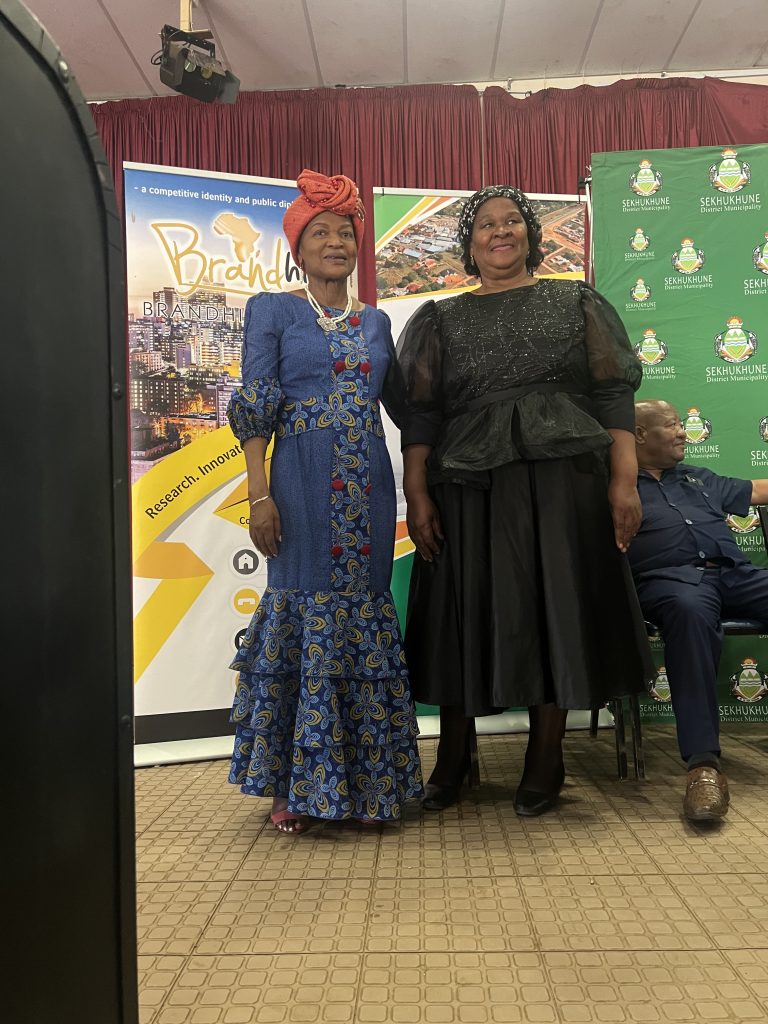
Upon arrival at the moshate, Mbete was received with full traditional protocol by the royal First Lady and later held a tête-à-tête with Kgoši Moloke Nchabeleng (Marumo). The encounter immediately set the tone for a day steeped in heritage and generational consciousness – a “blessing of two events in one day,” as observers described it.
The royal household conducted a traditional welcoming ritual, including the recitation of borra-Nchabeleng’s praise poetry, a stirring oral archive of the clan’s heroic history. It was in this profound moment – where history, memory and identity converged – that Mbete was bestowed with a new name: Hunadi.
The title was conferred in recognition of her longstanding national leadership: her tenacity, resilience and vision. Later, after hearing her keynote address at the book launch, many remarked that she lived up to the name in spirit and in practice. Anthropologists often argue that such a name, Hunadi, honours ancestral lineage and bestows the ancestor’s virtues upon the recipient. This proved fitting, as Mbete’s speech centred on precisely these themes: honouring ancestors, reclaiming identity, and navigating the dialectics of the present through the wisdom of the past.
A Community Gathers for a Historic Launch
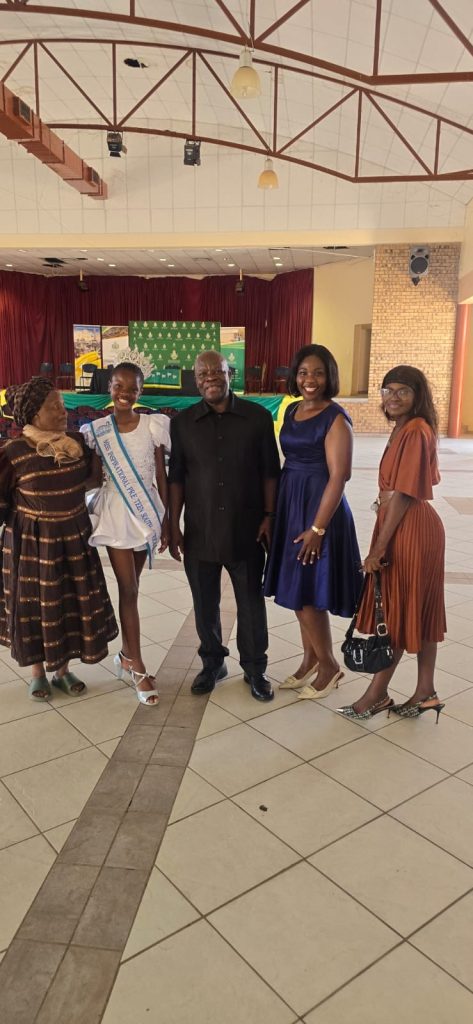
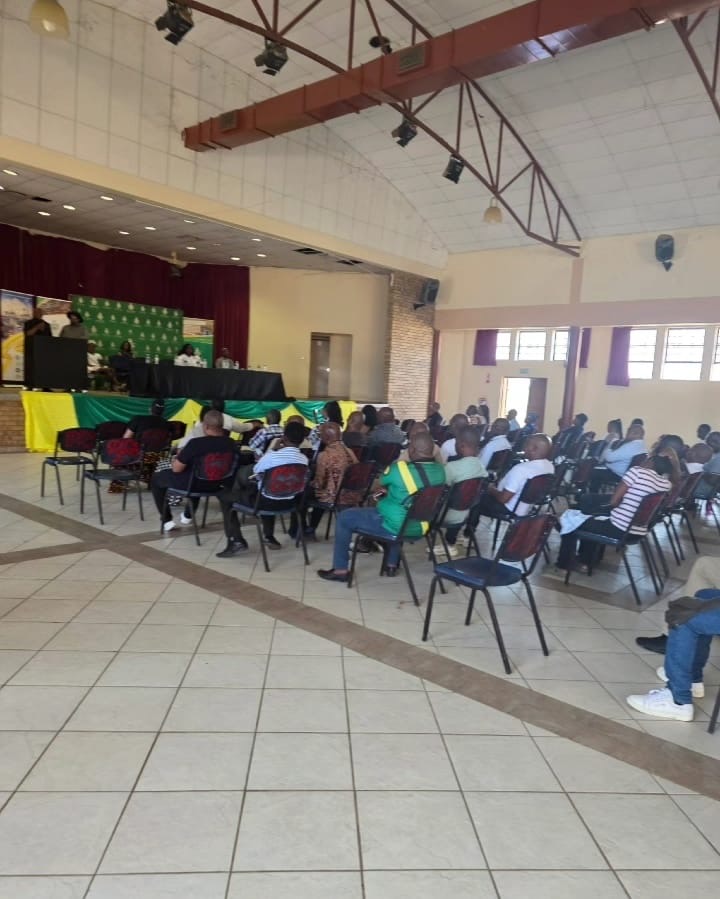
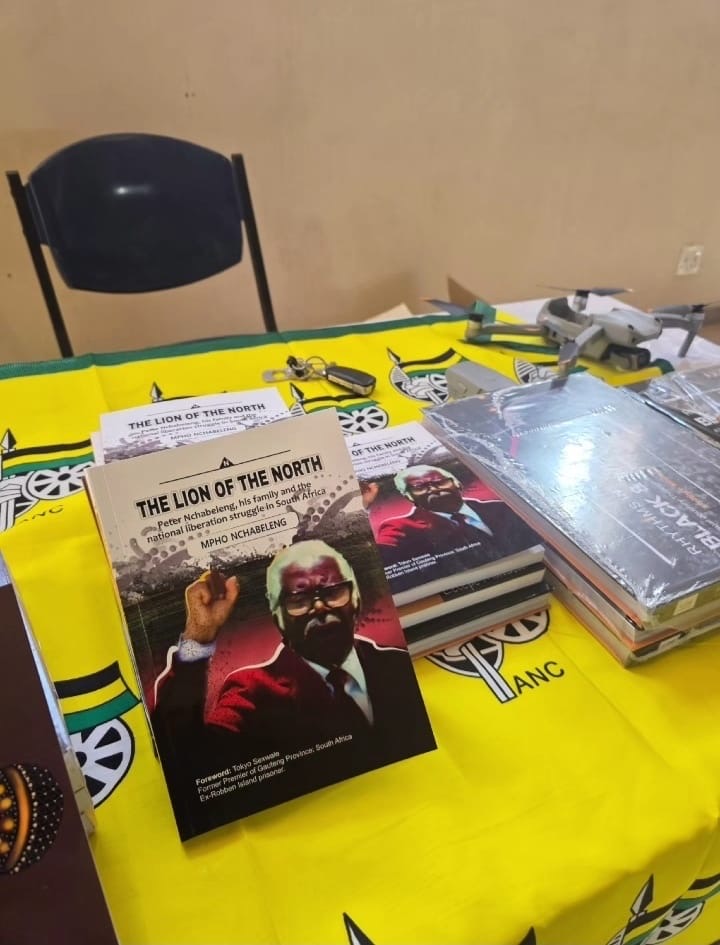
After the royal visit, the community turned its attention to the official launch of the book, “The Lion of the North: Peter Nchabeleng, his family and the national liberation struggle in South Africa” by Mpho Nchabeleng.
The programme was deftly directed by Laduma Thembe – veteran ANC activist, township tourism pioneer, and businessman whose enterprises continue to create meaningful employment in the community. Thembe, recalling his days in exile, noted his own early encounters with Mbete, adding personal resonance to the day’s proceedings.
Cllr. Baatseba Leshaba, an MMC who acted as the Executive Mayor of Sekhukhune District Municipality during the event, officiated as host, emphasising the significance of celebrating Nchabeleng’s legacy in the very soil that raised him.
Representing the Nchabeleng family, former Consul-General to Shanghai and Robben Islander, Lassie Chiwayo, spoke with moving clarity about the political and moral inheritance passed down by Peter Nchabeleng.
Reclaiming Our Story: Author and Publisher in Conversation
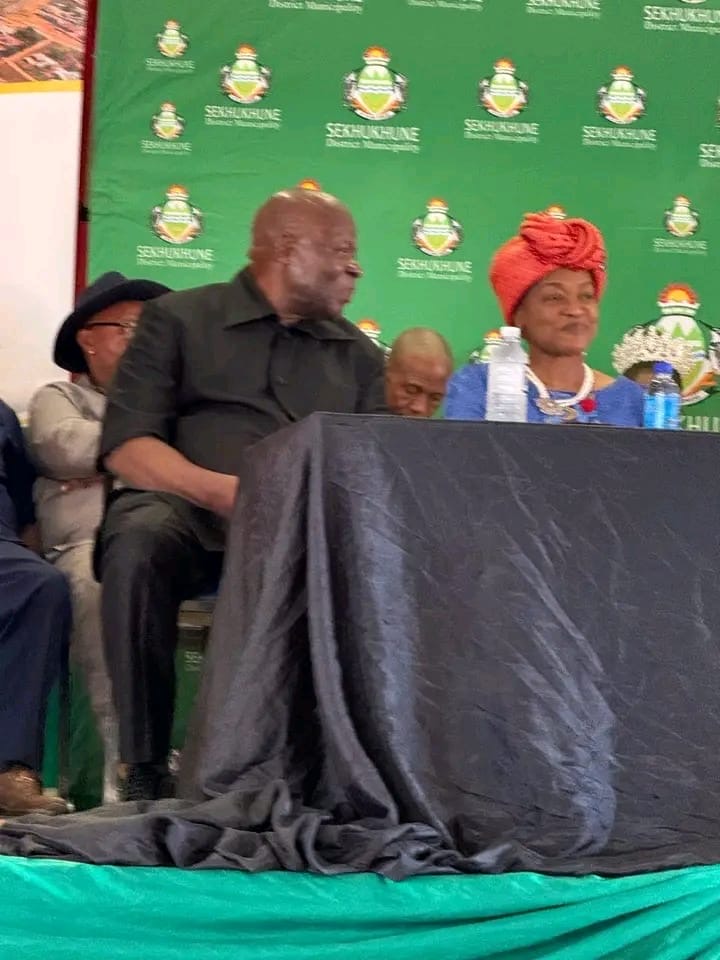
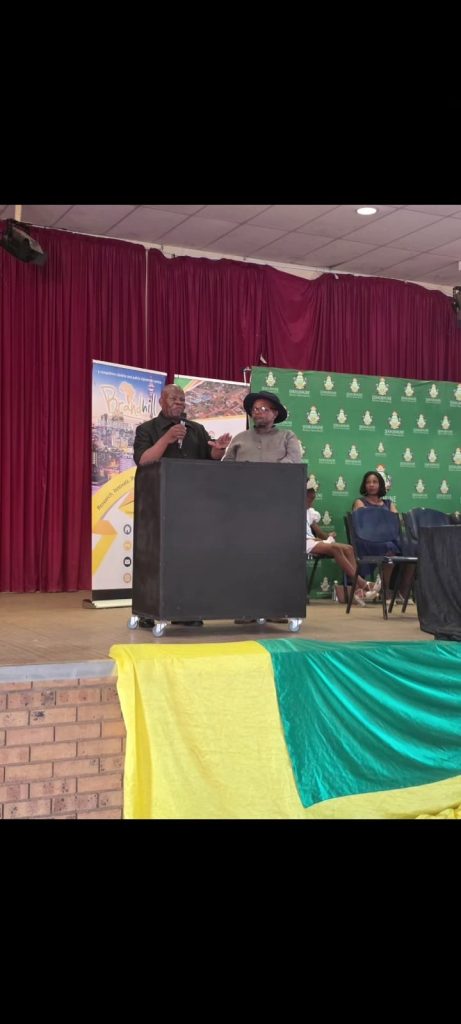
One of the most intellectually stimulating sessions came through a conversation between the author, Mpho Nchabeleng, and the book’s publisher, Saul Molobi of Brandhill Africa. Together they explored the imperative of Africans telling their own stories – not through the gaze of external scholarship, but through lived experience, memory and indigenous epistemologies.
Their dialogue unpacked how writing becomes an act of reclamation: of history, dignity, and narrative power. It signalled a growing continental movement to transform knowledge production by centring African agency.
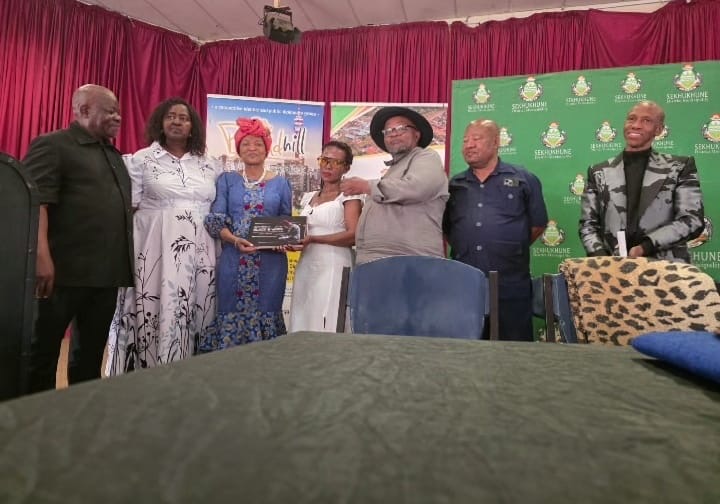
Furthermore, Molobi expressed his gratitude to the Sekhukhune District Municipality for partnering with Brandhill Africa™ in delivering what he called “an august and historic launch.” He noted that this collaboration was not the first between the two institutions. The municipality had previously partnered with Brandhill Africa on the inaugural Sekhukhune Mayoral Golf Day, a charitable initiative designed to mobilise corporate goodwill for community upliftment.
“On that occasion,” Molobi recalled, “Old Mutual and several other corporate sponsors came on board, enabling us to build a home for a deserving family.” The beneficiary, the Nzabe family from Zaaiplaas village under the Elias Motsoaledi Local Municipality, had been nominated by the mayoral office. The initiative, he said, demonstrated what becomes possible when public institutions, the private sector, and development agencies work in concert for the dignity and well-being of ordinary citizens.
This fourth launch of the book underscores its significance. Each previous event – addressed by the likes of Funani Jerry Maseko (Limpopo MEC for Sport, Arts & Culture), Amb. Louis Mnguni, Deputy Minister Dickson Masemola, and Tokyo Sexwale – affirmed its national resonance. But this one was the most symbolic: it unfolded in Peter Nchabeleng’s home village, before those who knew him, loved him, and were shaped by his influence.
Hunadi Speaks: A Call to Identity, Unity and Ancestral Grounding
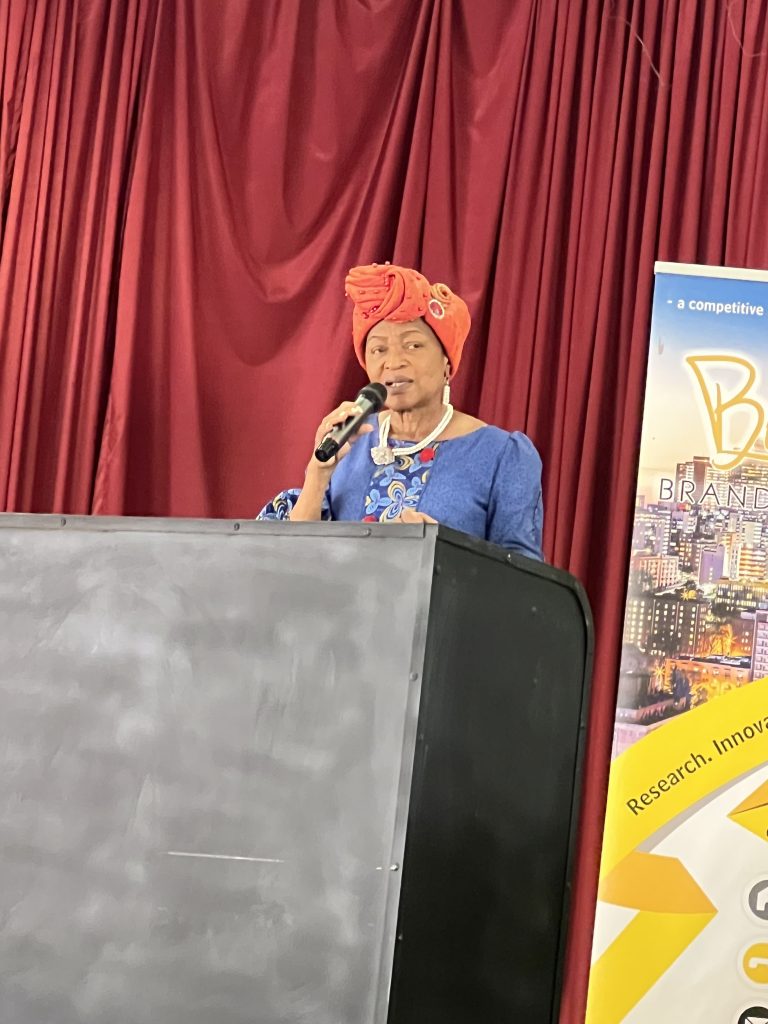
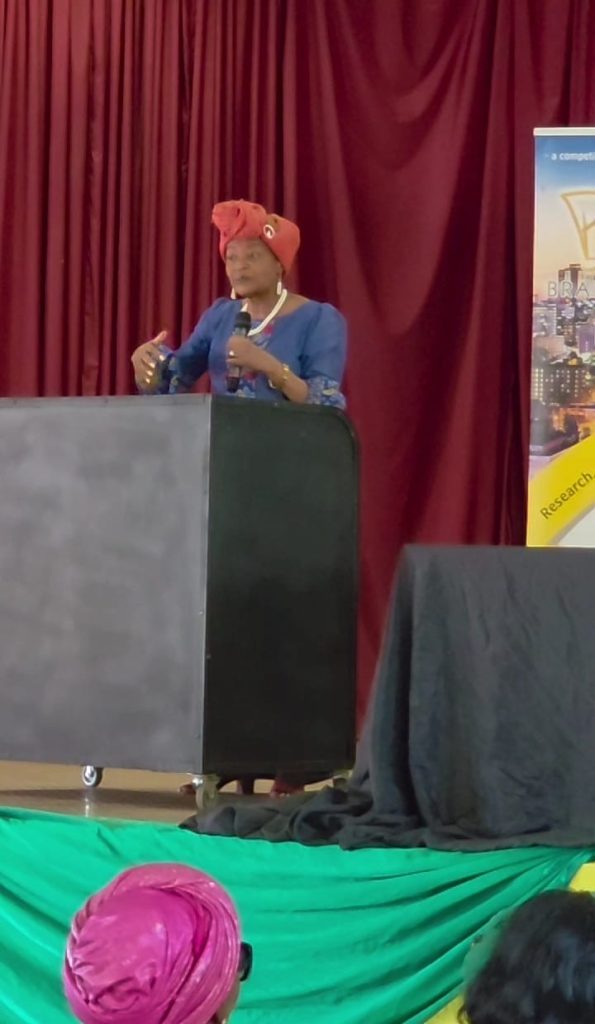
Former Deputy President Baleka Mbete used the launch of this historic book to deliver a powerful call for national introspection, urging South Africans to reclaim their identity, unity and ancestral grounding as the country approaches a new political moment.
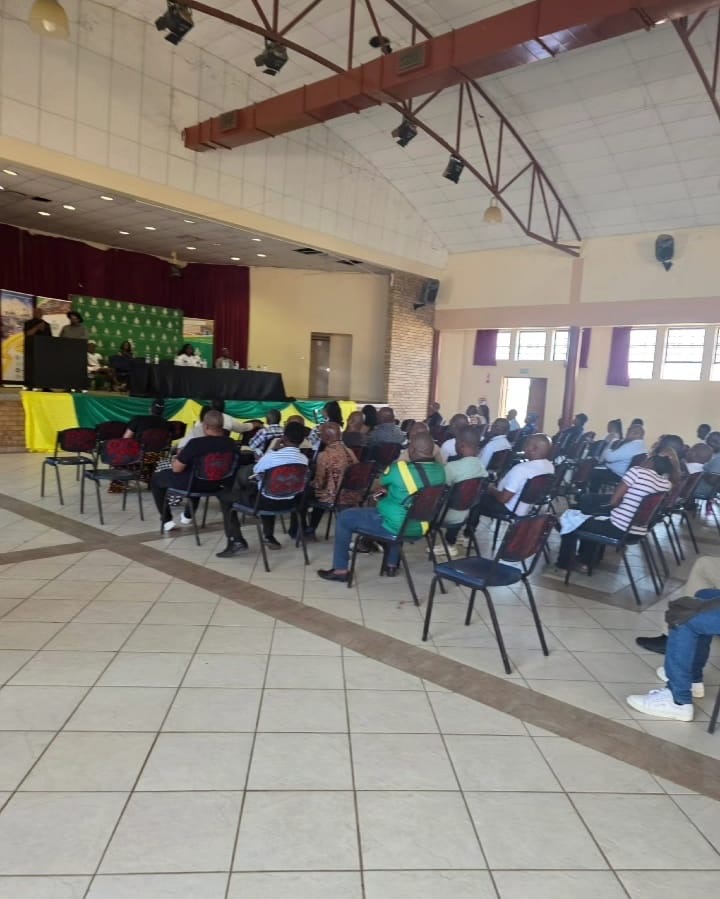
Speaking at the Moses Mabotha Civic Hall in Nchabeleng’s home village, Mbete told the packed audience that the gathering was “a homecoming of spirit, memory and purpose.”
“This is a moment when the past returns to walk among us – not to haunt us, but to remind us who we are, where we come from, and what still remains unfinished in the journey of our democracy,” she said.
Honouring a Liberation Giant
Mbete said the event was not only a celebration of a book but an act of reclaiming historical ownership. “We are here to honour a giant of our struggle, Peter Nchabeleng, and the family and community that shaped him,” she said. “Do not leave this moment untouched. There is wisdom here that must not pass us by.”
She referenced earlier reflections on the role of rituals during the liberation struggle. These practices, she argued, were fundamental to the movement’s moral resilience.
“Even facing torture, exile or imprisonment, our leaders – Nchabeleng among them – knew that no struggle can be won unless it is grounded in the spiritual power of one’s people. They understood that liberation begins in the soul,” Mbete said.
“We must return to that understanding.”
Recovering Unity and Communal Strength
Turning to the present, Mbete warned that divisions have weakened South Africa’s collective strength.
“We have lost some of the unity that carried us through the struggle,” she said. “We have allowed political, generational and economic divisions to fragment our power. And we sometimes forget the discipline and humility that defined the leaders we celebrate.”
But she emphasised that renewal remains possible.
“Nothing is lost forever,” Mbete declared. “The strength that guided the struggle – its unity, its courage, its clarity – still lives in us. The symbols that once bound us together remain powerful, if only we choose to honour them.”
A Call to Authentic Identity
In one of the speech’s most emphatic sections, Mbete addressed the question of identity, warning against the erosion of African cultural confidence.
“You cannot lead your people if you are unsure of yourself,” she said.
“You cannot build a future for your people while pretending to be someone else – not white, not European, not anything other than who you are.”
She stressed that authenticity is foundational, not optional.
“We must reclaim the confidence of our ancestors – those who carried a revolution on their backs without ever doubting the worth of their culture, languages and traditions,” she said.
Mbete also commended the work of author Mpho Nchabeleng and publisher Saul Molobi, saying their commitment to telling African stories “shows that embracing your roots is a form of power.”
A New Constitutional Moment Approaches
Mbete said the country is entering a period that requires strategic clarity and sober reflection.
“Elections will come, political shifts will come, and new possibilities will open,” she noted. “We must use this time to reflect on our national standing, our political maturity, our strategic direction and our tactics for the future.”
She cautioned that failing to do this would betray those who fought for freedom.
“Peter Nchabeleng did not fight only so we could vote. He fought so that we could become a nation that knows itself,” she said.
“A nation that moves forward on its own terms; a nation that honours its elders, strengthens its youth, and protects its future.”
Honouring Ancestors and Rising to the Legacy
Mbete concluded with a call to honour ancestors through action, not sentiment.
“When we call upon the ancestors, it is not superstition – it is recognition of continuity,” she said. “If we do our work honestly and fearlessly, the spirits of the great ones – Nchabeleng, Mampuru, Mamphela, Sekhukhune, Mahlangu, Biko – will guide us.”
She urged the audience to rise to the height of that inheritance.
“Let this book be not only a tribute to the past, but a call to action for the present,” she said.
“Let us walk forward as a people guided by the wisdom of our ancestors and the courage of our history.”
A Gathering of Torchbearers
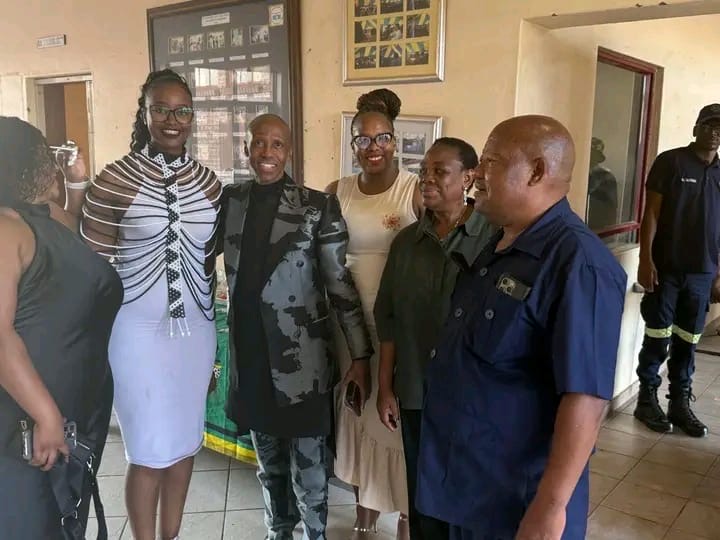
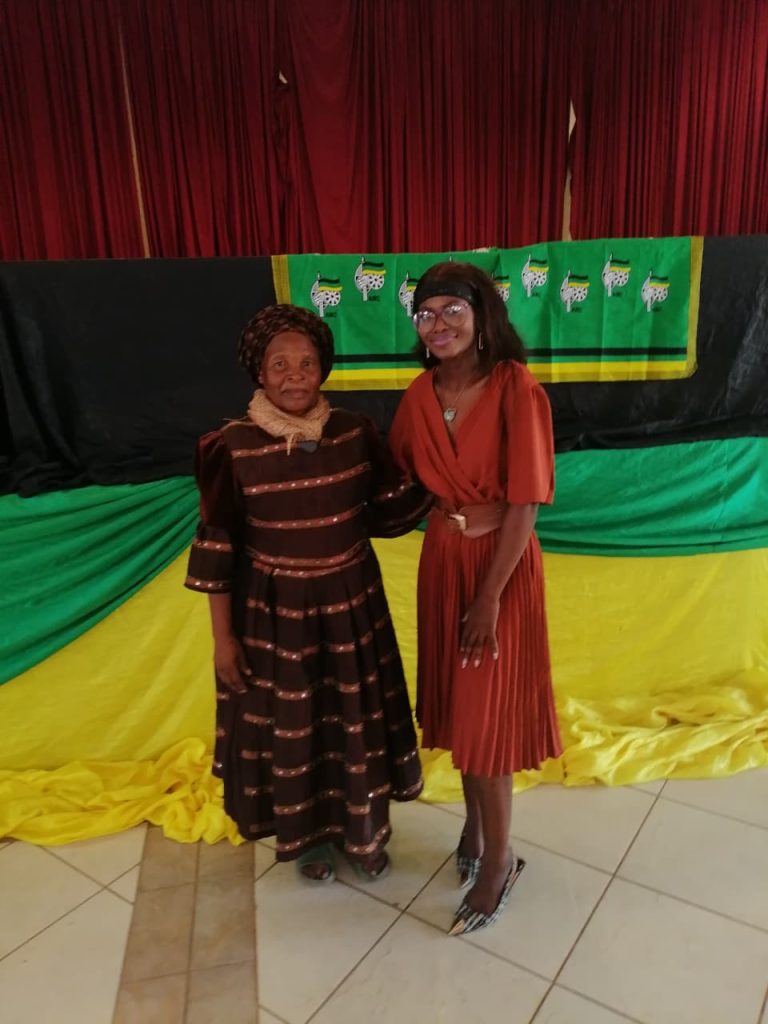
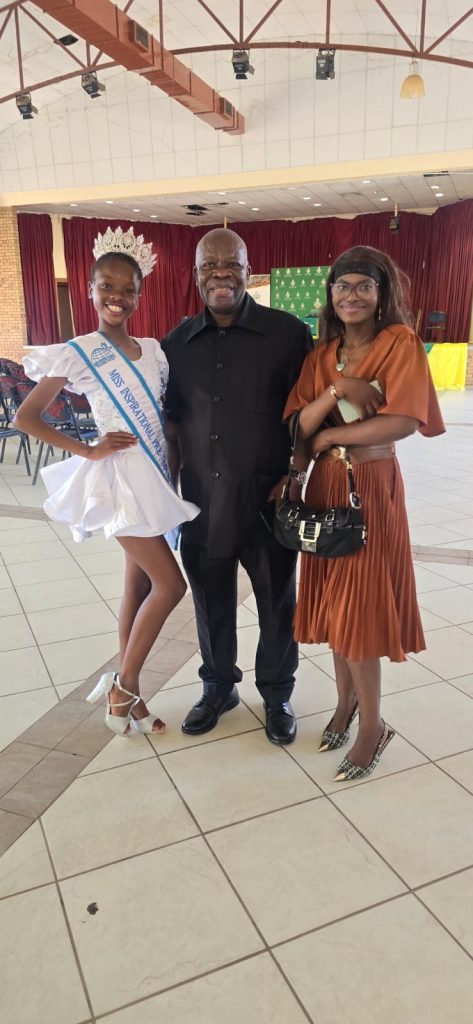
The event drew an impressive cross-section of leaders from civil society, government, business, academia, and the activist community – many of whom grew up under the mentorship or ideological influence of Peter Nchabeleng. Their presence reinforced what the day represented: not just remembrance, but renewal.
In Sekhukhune, where the “Lion of the North” once roared against injustice, the launch became a moment of national introspection. Through ritual, reflection and storytelling, the community reconnected with the power of its roots.
And through her words – and her new name – Hunadi reminded the nation that the struggle for authentic identity, social cohesion, and moral leadership is as relevant today as it was in the time of Peter Nchabeleng.