
By Saul Molobi
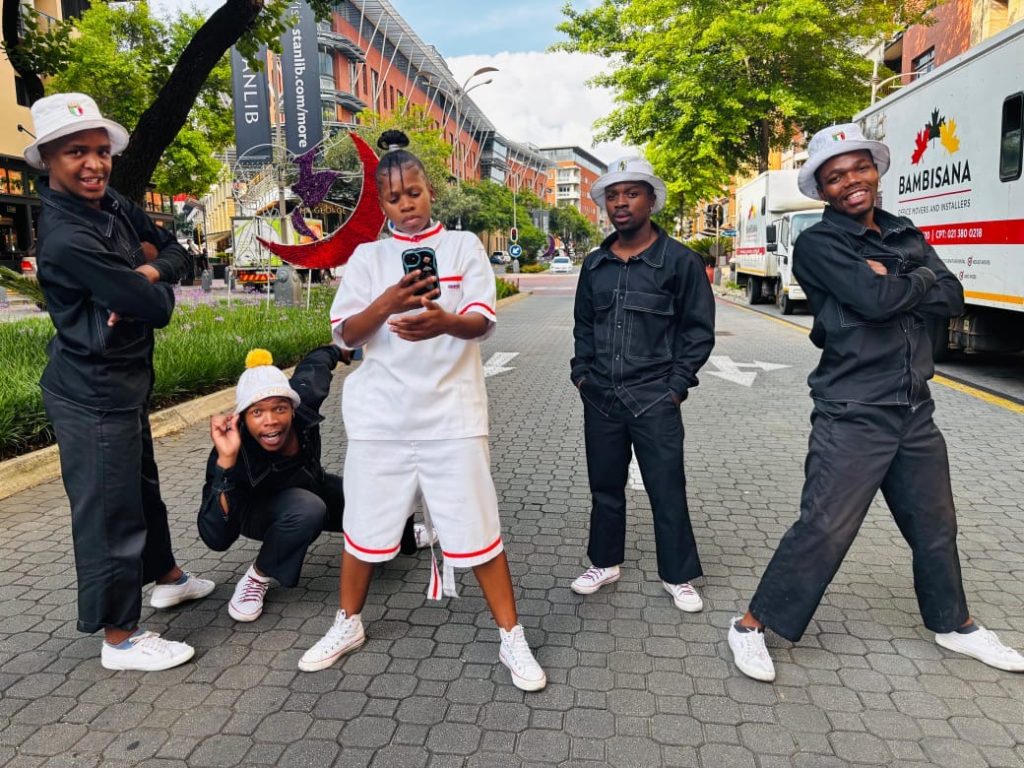
Johannesburg’s contemporary street dance scene is a pulsating ecosystem of rhythm, resistance, and reinvention. From the pavements of inner-city precincts and township community halls to transport hubs, school yards, and informal rehearsal spaces, young dancers across the city continue to forge bold new vocabularies of movement that blend tradition with modernity. Pantsula, amapiano-infused freestyle, contemporary African dance, hip-hop, gumboot, and experimental fusions coexist in a constantly evolving dialogue – reflecting the city’s layered histories and restless creative energy.
More than entertainment, street dance in Johannesburg functions as a social language and survival strategy. It offers young people a means of self-expression, identity formation, and economic possibility in environments often marked by limited access to formal arts infrastructure. Informal crews become families, street corners become stages, and movement becomes a declaration of presence: we are here, we matter, we create. Increasingly, this grassroots energy is finding pathways into mainstream theatres, festivals, and cultural institutions, signalling a powerful shift in how street-born artistry is valued and platformed.
It is within this vibrant and insurgent cultural landscape that the Imbumba Ye Mzansi Dance Festival emerges – standing as both a product of Johannesburg’s street dance movement and a catalyst for its continued ascent.
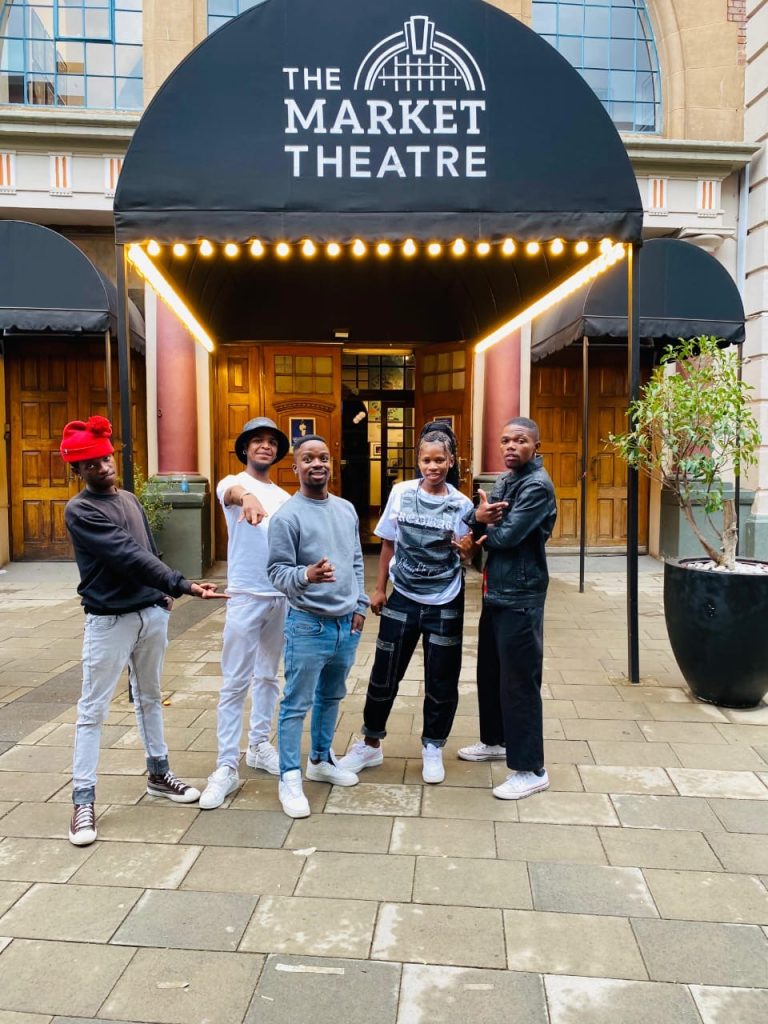
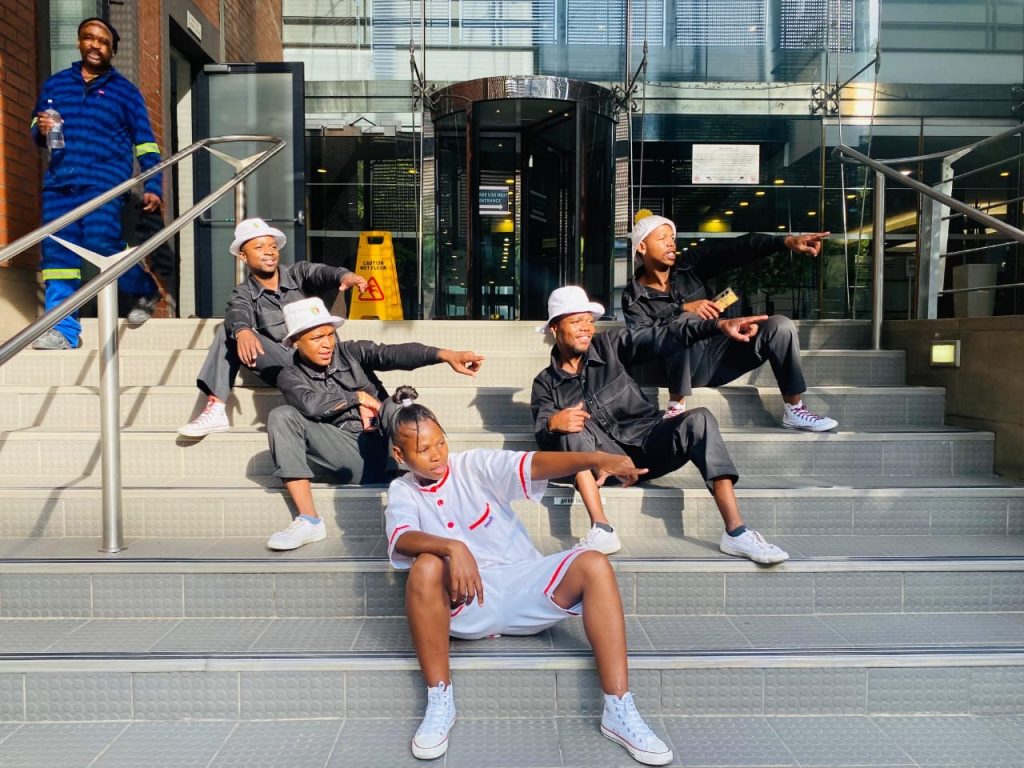
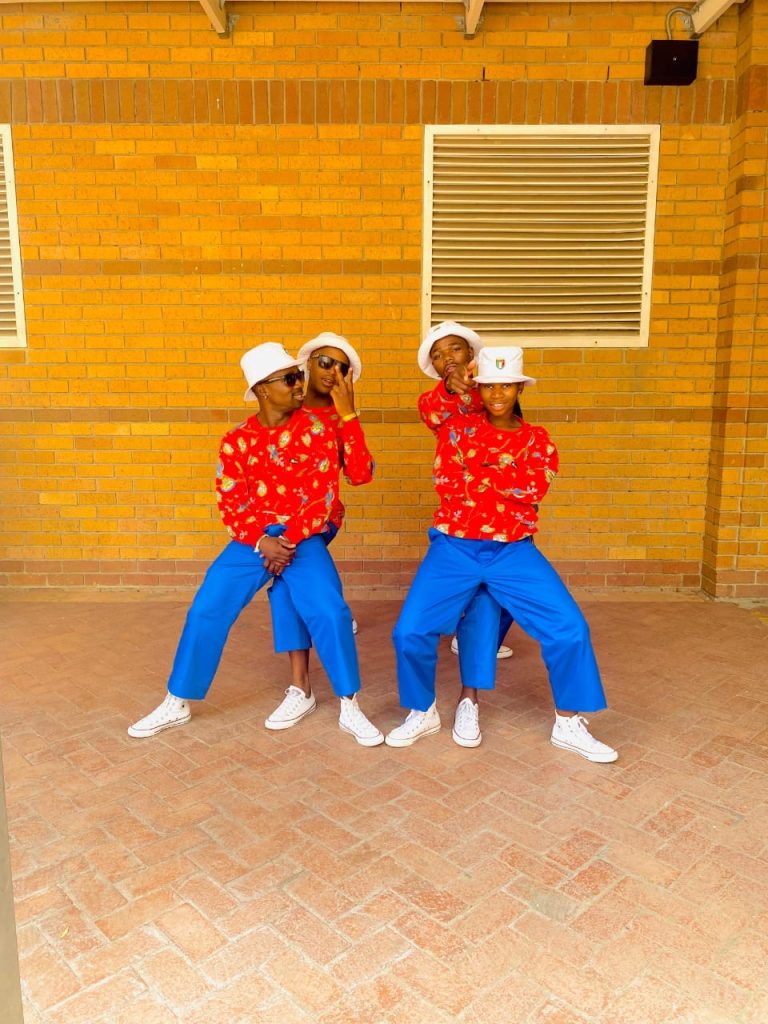
The countdown has officially begun. On Sunday, 8 February 2026 at 15:00, the Imbumba Ye Mzansi Dance Festival will light up the iconic Joburg Theatre with a powerful celebration of South Africa’s cultural diversity, resilience, and boundless creative spirit. What began as raw movement on township streets now ascends to one of the country’s most prestigious stages – embodying the very essence of a nation that dances its way through struggle, triumph, and transformation.
Audiences can expect an electrifying and emotionally charged spectacle that fuses dance, music, and storytelling into a vibrant tapestry of movement. Designed as a family-friendly experience, the festival welcomes all ages, races, and genders to share in a joyous celebration of South Africa and her children. It promises a mesmerising encounter that will set hearts pounding, feet stomping, hands clapping, and smiles glowing – an immersive journey into rhythm, heritage and collective memory.
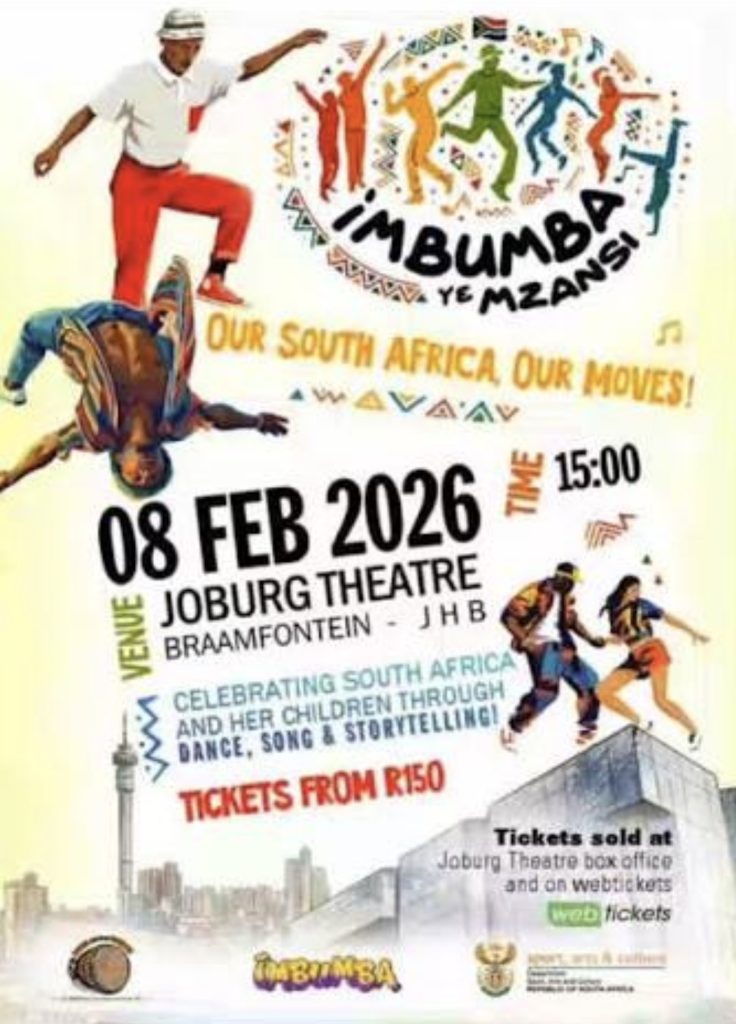
Supported by the Department of Sport, Arts and Culture through the Mzansi Golden Economy (MGE) grant, the Imbumba Ye Mzansi Dance Festival stands as a flagship example of how public investment in the arts can drive cultural expression, community upliftment and social cohesion. The Imbumba Dance Group, the official MGE grant beneficiary, leads this landmark production, using dance not only as an artistic language but also as a vehicle for empowerment and social change.
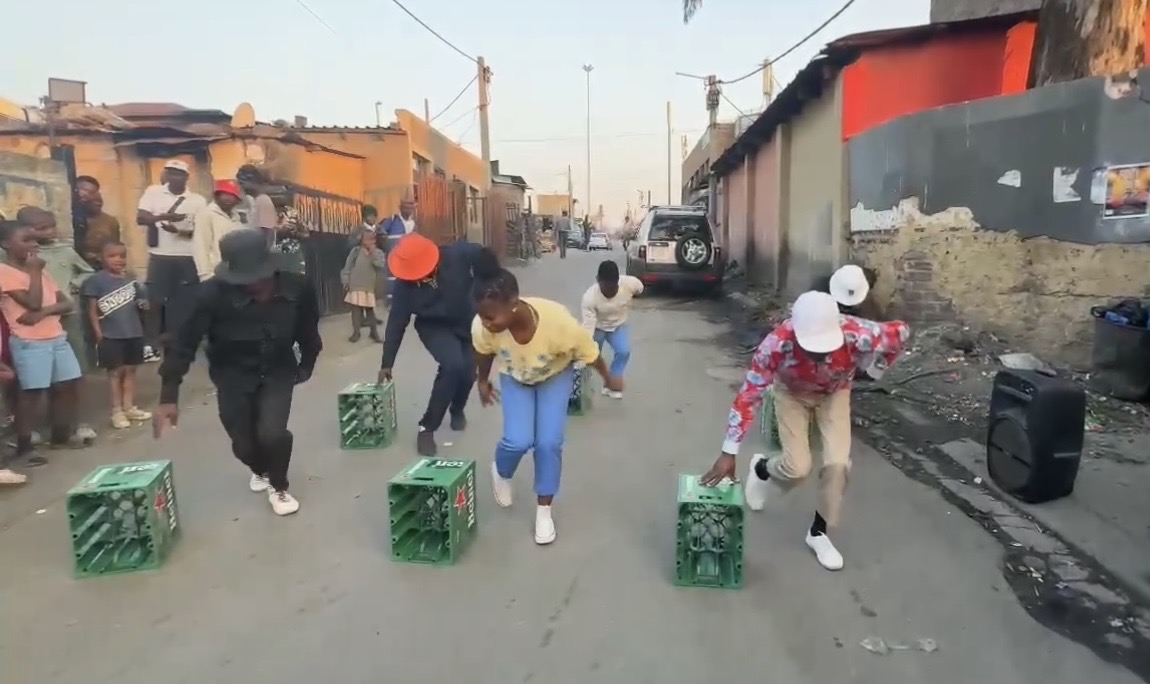
At the heart of this inspiring story are founders Sphiwe Gumede and Sboniso Motaung, both proudly from Alexandra Township. Their journey is a testament to perseverance and the transformative power of being seen. Spotted years ago dancing with Coke boxes on the streets of Rosebank by arts supporter Aviva Rabinowitz, the duo’s raw talent and passion ignited a path toward professional artistry and national recognition. Today, their vision has grown into a movement that nurtures emerging dancers while honouring South Africa’s diverse cultural roots.
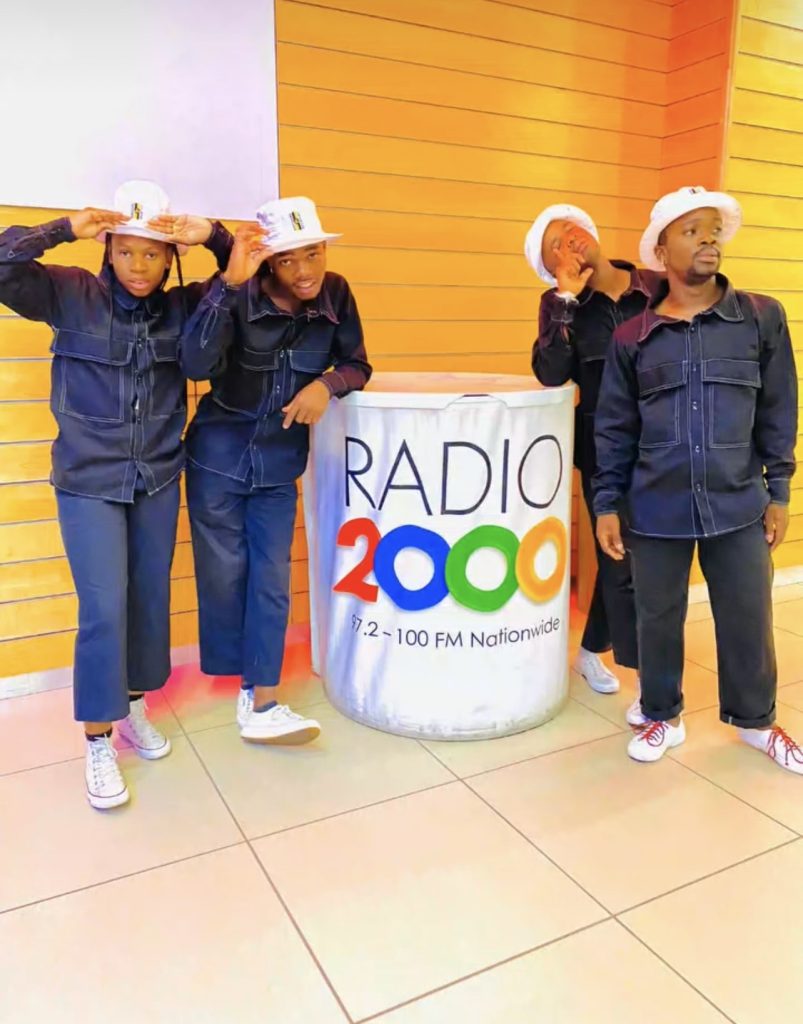
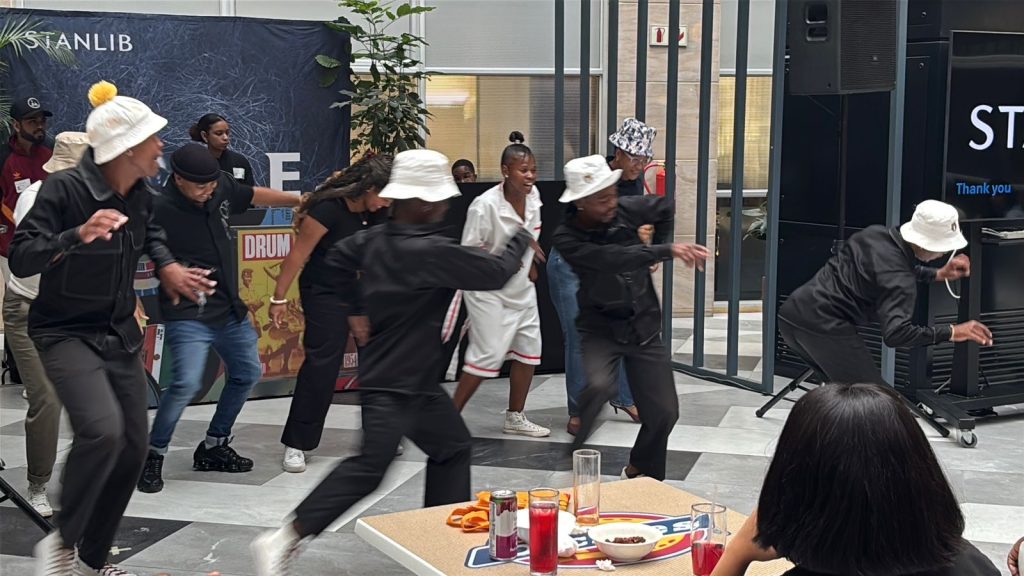
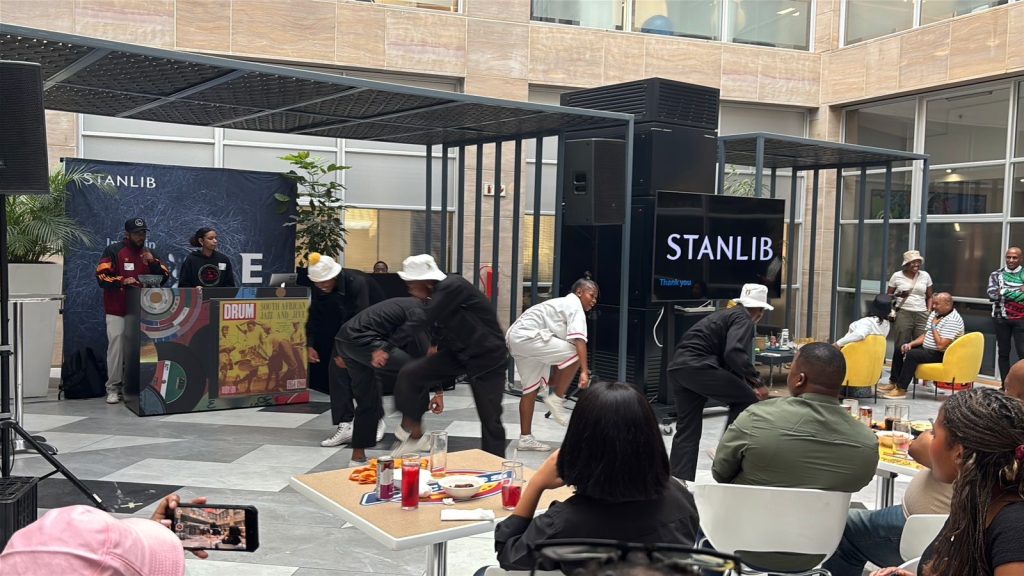
The festival’s impact extends far beyond the stage. On 24 January 2026, Imbumba Ye Mzansi hosted a community engagement presentation at Museum Africa, drawing an enthusiastic and diverse audience. The performance captivated attendees, including visiting tourists, women, and young people from townships across Gauteng, reaffirming the festival’s ability to bridge communities and spark meaningful cultural dialogue.
Renowned broadcaster Mmatsheko Mosito of Radio 2000 and Channel Africa served as programme director for the engagement, while the festival deliberately prioritised youth- and women-owned businesses for procurement. In addition, young women from townships were given hands-on opportunities to work in production, marketing, and performance – ensuring that empowerment is embedded not only in message, but in practice.
The 8 February 2026 performance at Joburg Theatre will be a ticketed event, with all proceeds dedicated to the development of women and youth artists from townships. This reinvestment model ensures sustainable artistic growth and creates future pathways for emerging talent to move, quite literally, from the streets to the stage.
Imbumba Ye Mzansi Dance Festival is more than a performance. It is a living archive of movement, a declaration of hope, and a celebration of the rich cultural heartbeat of South Africa.
South Africans are encouraged to rally behind this powerful initiative by purchasing tickets and showing up in numbers – whether as families seeking meaningful shared experiences, couples looking for an inspiring cultural outing, or friends eager to celebrate homegrown talent together. Corporates are also invited to participate by purchasing tickets as part of client hospitality, or even more impactfully, by donating tickets to inner-city schools and schools from townships around the city, giving young people access to world-class theatre experiences they may otherwise never encounter.
Theatre, at its core, is about warm bodies in seats, about presence, and about collective affirmation of artistic labour. While government has already demonstrated its belief in this project through its support, it is now up to us as audiences to play our part in sustaining the creative sector. Having personally witnessed the long and challenging journey Imbumba Dance Group has traversed since Aviva Rabinowitz reached out to me many moons ago in her efforts to champion this remarkable group, I can say with conviction: your ticket is not just an entry pass – it is a vote of confidence in dreams that refused to die.
Follow them on instagram.