
By Saul Molobi
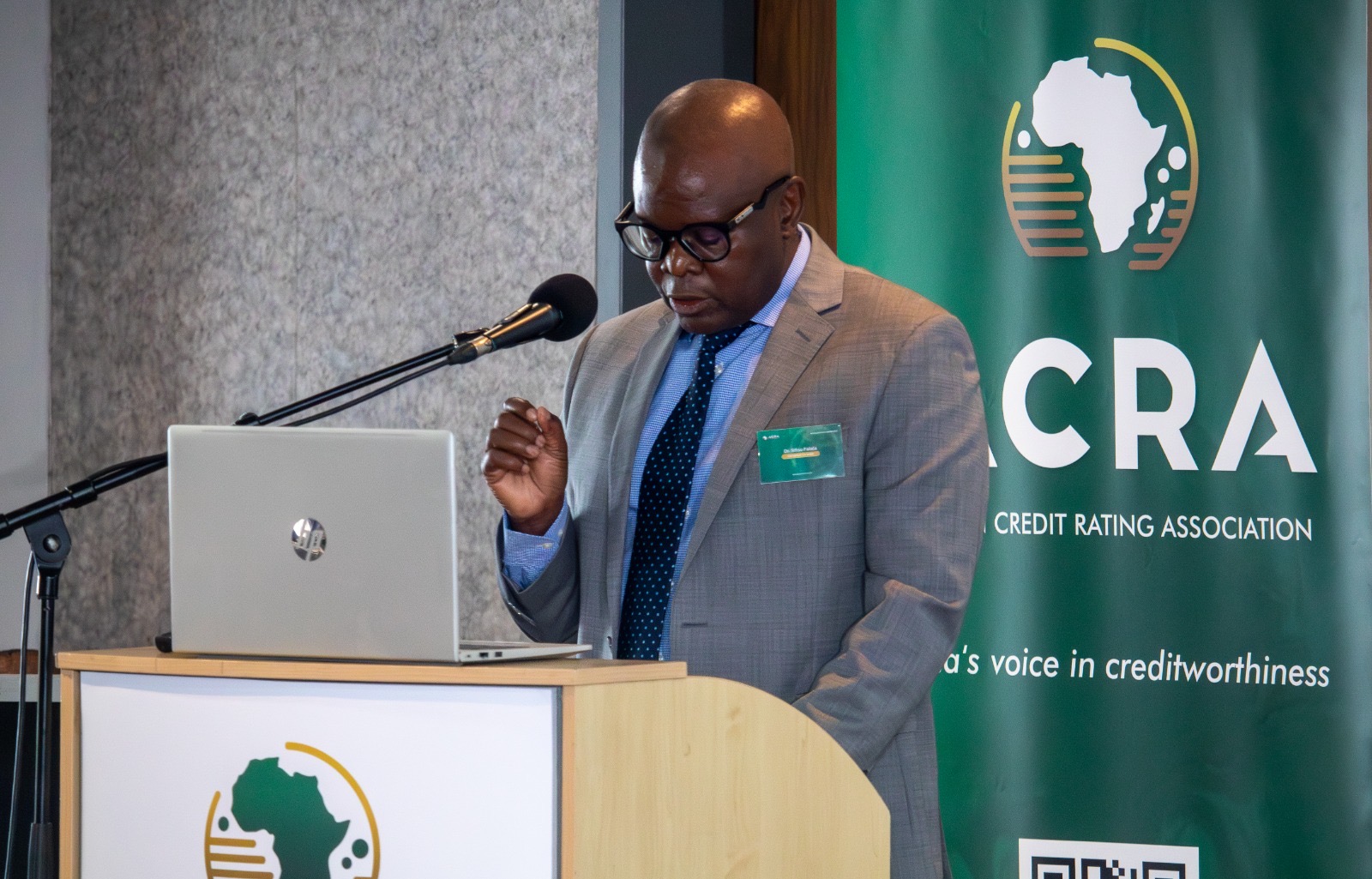
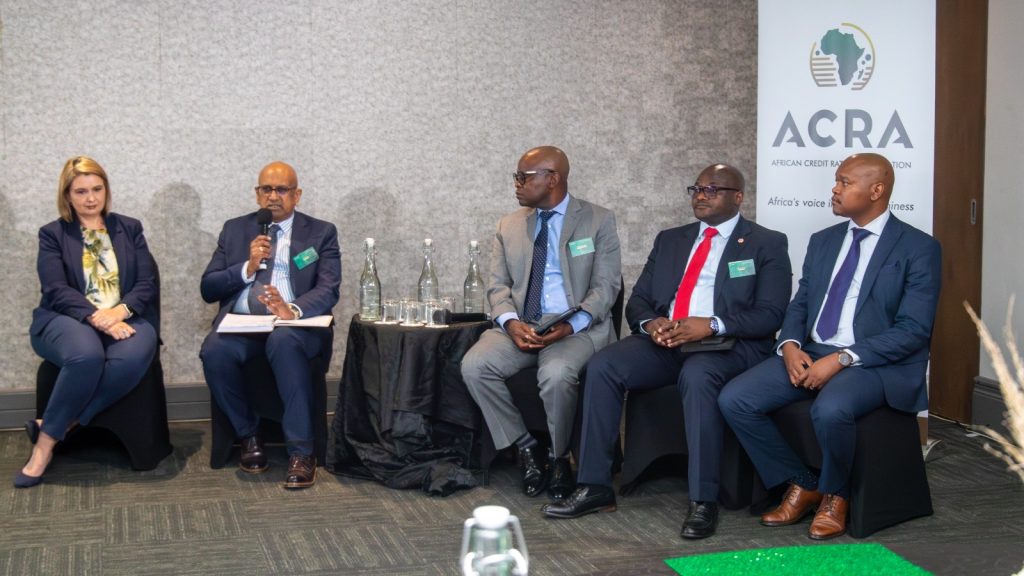
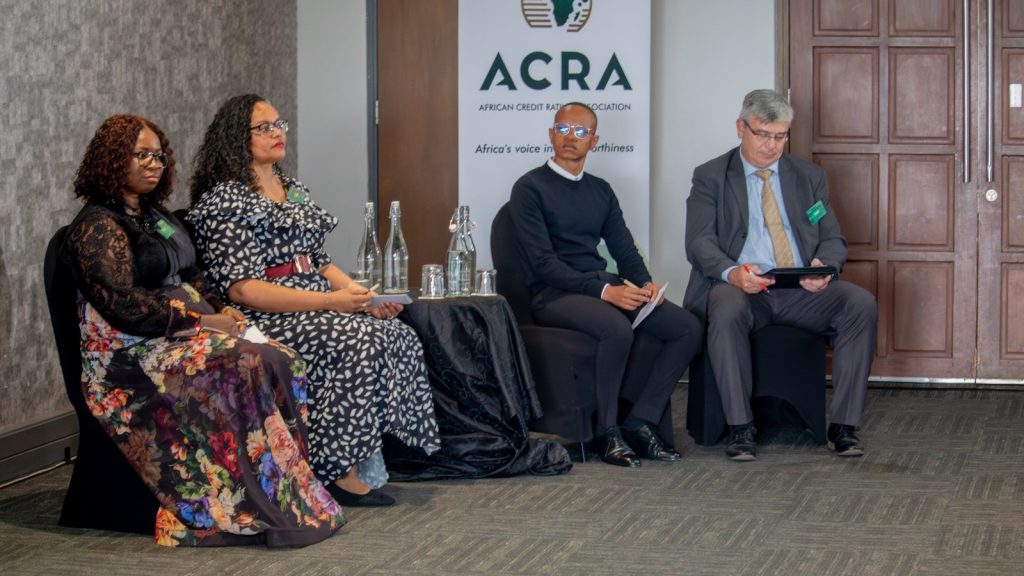
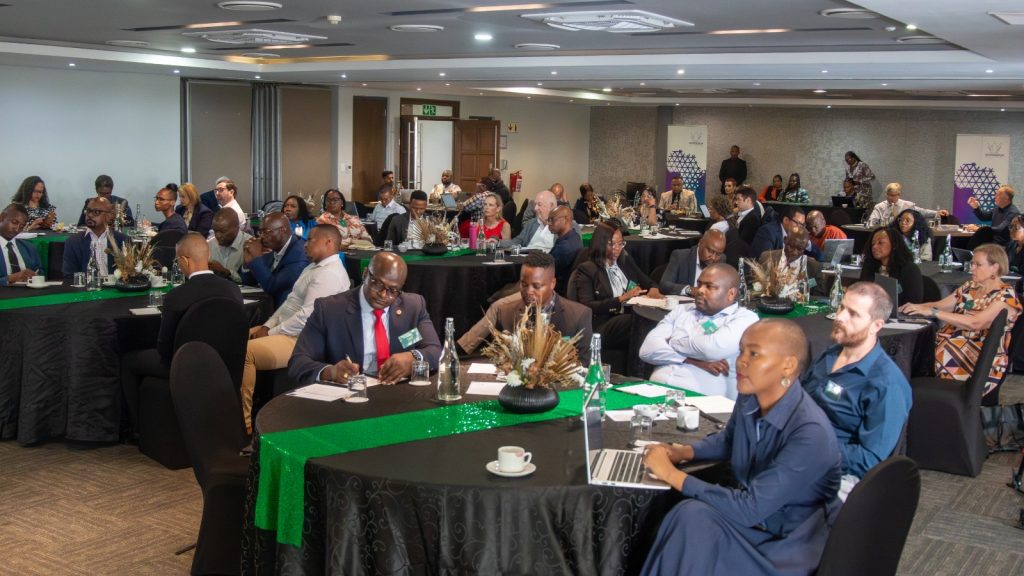
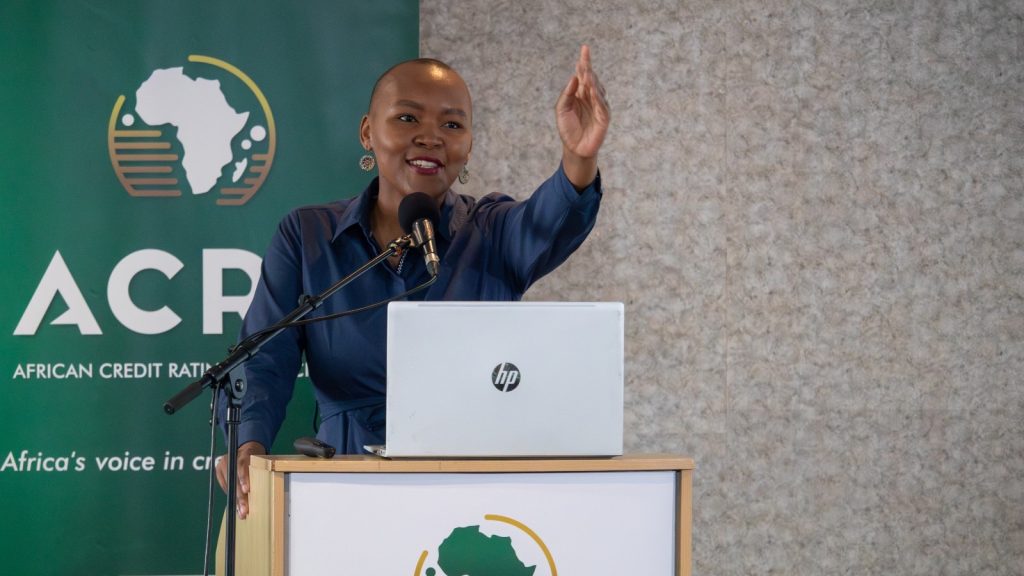
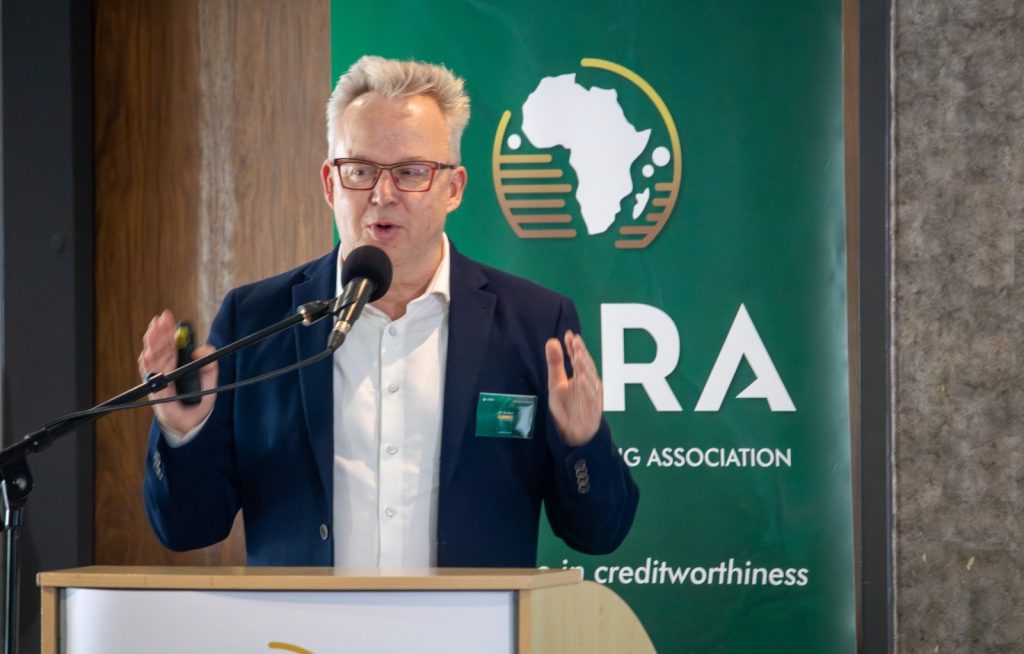
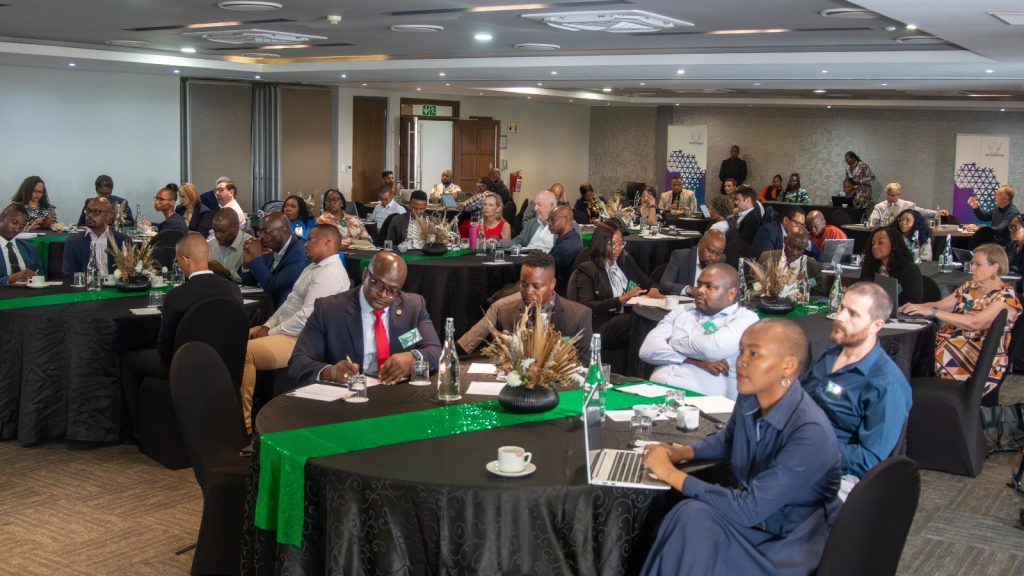
At a time when Africa’s development ambitions collide with rising borrowing costs and tightening global liquidity, the launch of the African Credit Rating Association (ACRA) at the Wanderers Club in Johannesburg marked more than the unveiling of a new professional body. It signalled a growing continental resolve to reshape how African risk is understood, priced, and communicated to the world.
For decades, Africa’s sovereigns, municipalities, state-owned enterprises and corporates have been largely assessed through analytical frameworks designed in and for advanced economies. While speakers at the ACRA launch acknowledged the technical sophistication of the global “Big Three” credit rating agencies, they argued that African realities — from hybrid economies and informal-sector dynamics to developmental states and infrastructure-led growth models — remain insufficiently reflected in conventional methodologies.
The result, they contend, is a persistent risk premium that places Africa among the most expensive regions in the world in which to borrow, regardless of underlying fundamentals or reform trajectories.

From narrative deficit to institutional response
ACRA positions itself as an industry association that will bring together African credit rating agencies to build shared standards, professional ethics, methodological dialogue and collective advocacy. But beyond the technical architecture, the association’s formation speaks to something deeper: a desire to close what several speakers described as Africa’s narrative deficit in global finance.
Rather than rejecting global rating practice, the tone throughout the launch was one of recalibration — asserting that Africa must participate in shaping the analytical language that describes it.
“Engagement is influence. Engagement is agency,” said economist and Development Reimagined CEO Hannah Ryder, who joined the conference virtually. “And the very fact of the existence of ACRA is a huge step forward in building African agency.”
Her framing resonated with a room that sees credit ratings not merely as technical outputs, but as powerful signalling devices that influence investor behaviour, policy space, and ultimately the pace of development.


Debt, development and the price of capital
Several speakers situated ACRA’s emergence within the stark arithmetic of African public finance.
Across the continent, a growing share of government revenue is absorbed by debt servicing, leaving shrinking fiscal space for infrastructure, health, education and climate adaptation. Even where reform efforts are underway, high interest rates often neutralise potential gains.
Closing the conference, South African public leader Dr Musi Maimane captured this tension through a striking contrast: South Africa’s stock exchange reaching historic highs, while the state simultaneously struggles to finance its infrastructure pipeline.
“For every rand collected, a significant portion already goes to debt servicing,” he said. “When countries are rated incorrectly, the bulk of expenditure goes to servicing that debt rather than building schools, hospitals, roads and energy systems.”
Maimane framed the continental challenge in generational terms: moving hundreds of millions of Africans from poverty into the middle class will require trillions of dollars in investment — and that capital will only flow at scale if Africa is priced fairly.
Structured finance: expanding the toolkit
One of the most technically detailed interventions focused on structured finance as a potential lever for easing pressure on sovereign balance sheets.
Speakers argued that instruments backed by predictable revenue streams — such as taxes, toll fees or user charges — can unlock funding for public projects without directly increasing headline sovereign debt. When responsibly designed, such structures can monetise public assets, improve fiscal profiles and deepen domestic capital markets.
However, the discussion was careful to stress that structured finance is not a panacea. The 2008 global financial crisis was repeatedly cited as a cautionary tale, illustrating how poorly regulated securitisation can amplify systemic risk, fuel credit bubbles and destabilise banking systems.
The message was one of conditional optimism: structured finance can be a financial technology for development, but only when embedded in strong legal frameworks, transparent regulation and capable institutions.
Breaking the sovereign ceiling
Another recurring theme was the so-called sovereign ceiling — the tendency for corporate and project ratings to be capped by a country’s sovereign rating, regardless of the individual strength of the underlying entity.
Participants argued that this practice can obscure the true economic contribution and resilience of large African firms, many of which operate across borders and generate diversified revenue streams.
By strengthening project-level and structured-finance ratings, African agencies believe they can provide more granular signals to investors, better reflecting asset quality and cash-flow fundamentals rather than relying solely on sovereign proxies.
Collaboration as strategy
Ryder emphasised that no single African agency can shift global perceptions alone. Influence, she argued, will come through collective action — shared research, joint policy briefs, coordinated engagement with global institutions, and consistent messaging.
She pointed to the example of African multilateral financial institutions that have recently begun collaborating more closely to shape narratives around their role and impact. ACRA, she suggested, could play a similar convening role for rating agencies.
This collaborative posture is particularly significant as parallel continental initiatives gain momentum, including the African Union–backed Africa Credit Rating Agency (AfCRA), expected to begin operations in 2026. While AfCRA is envisioned as a ratings producer, ACRA’s role is complementary: building the professional ecosystem, standards and voice that can underpin African-led assessment.

Rewriting Africa’s risk story
Underlying the technical debates was a broader philosophical challenge: how Africa is conceptualised in global finance.
Speakers criticised what they see as a tendency to treat the continent as a monolithic risk category, rather than a diverse set of economies at different stages of development, with varying institutional strengths and policy trajectories.
They argued that African agencies are uniquely positioned to capture intangibles often missed in external assessments — such as political commitment to reform, social compacts, regional integration dynamics, and the developmental orientation of public spending.
For Maimane, this capacity to measure beyond balance sheets is central to Africa’s future.
“You can assess the ability of public policy, the direction of reform, and the strength of institutions,” he said. “That allows you to give a rating that ultimately attracts capital, rather than repels it.”

From symbolism to substance
While the launch was widely welcomed, speakers were candid that credibility will be earned, not declared.
ACRA’s next phase will involve developing codes of conduct, promoting methodological transparency, strengthening training and certification, and engaging regulators to ensure that African ratings are recognised within domestic and regional financial systems.
If successful, proponents believe the long-term payoff will be substantial: lower borrowing costs, deeper local capital markets, stronger project pipelines, and greater African influence over the financial narratives that shape its destiny.
As one moderator summarised during the closing session, ACRA’s mission is simple in language, but profound in implication: rethink Africa’s credit future, create the currency of trust, and collaborate for credibility.
In Johannesburg, that mission moved from aspiration to institution.