
By Saul Molobi
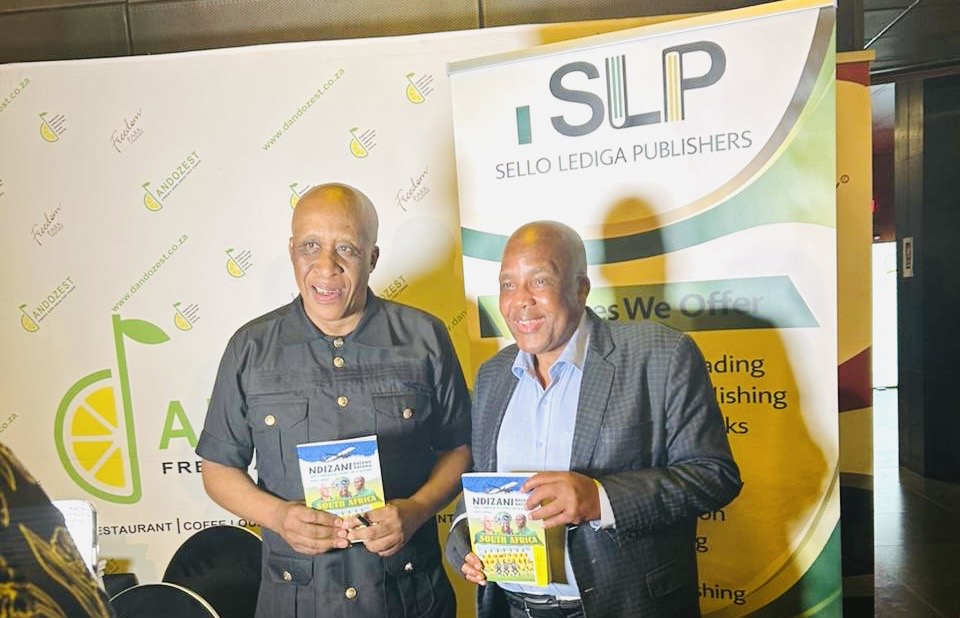
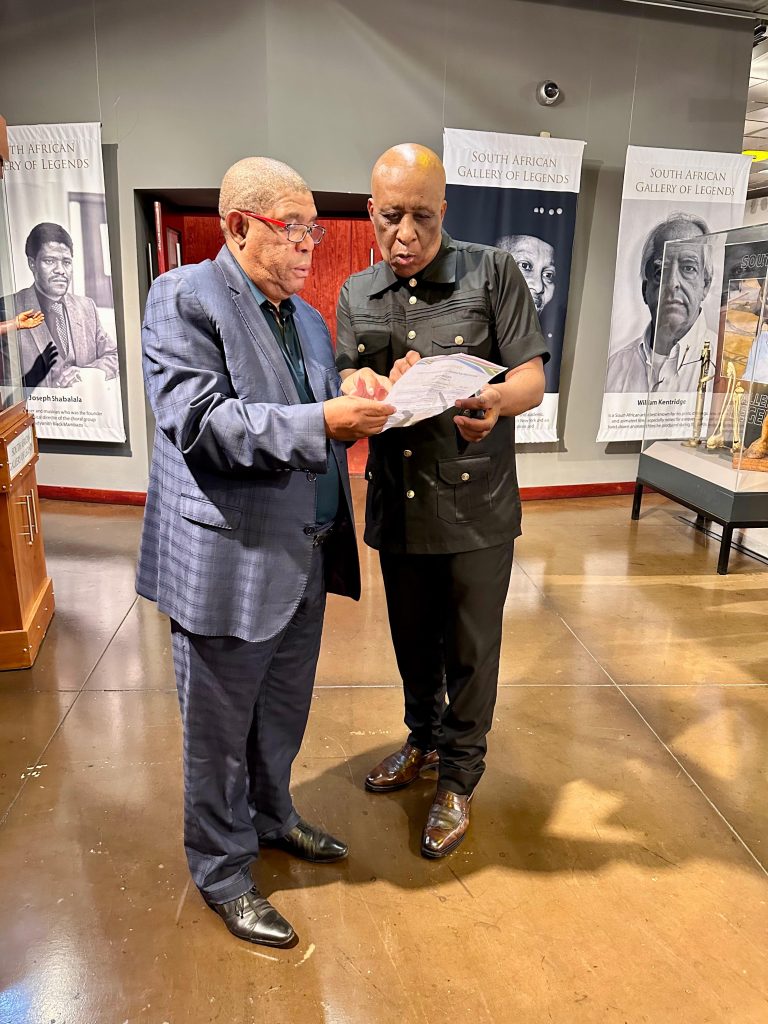
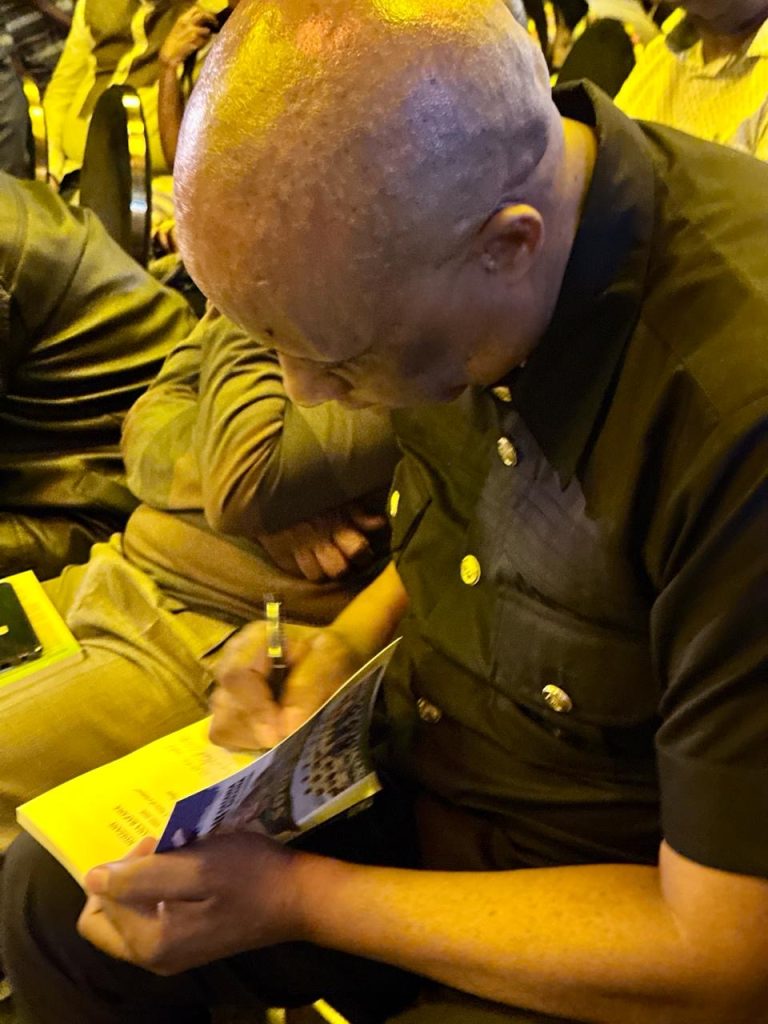
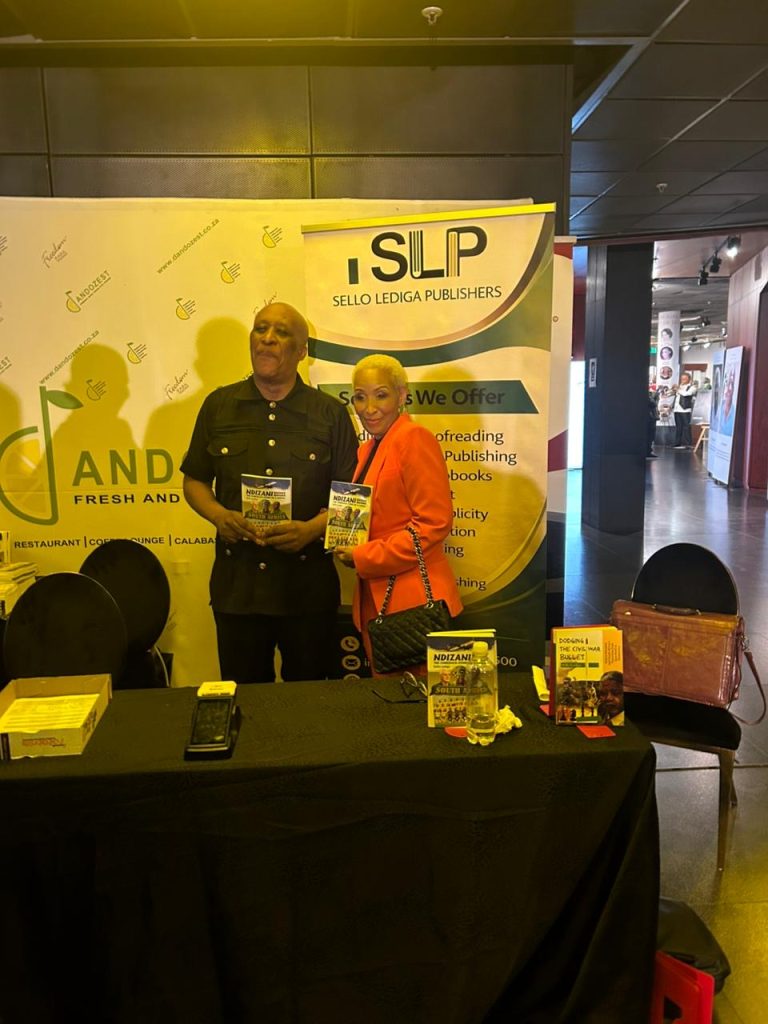
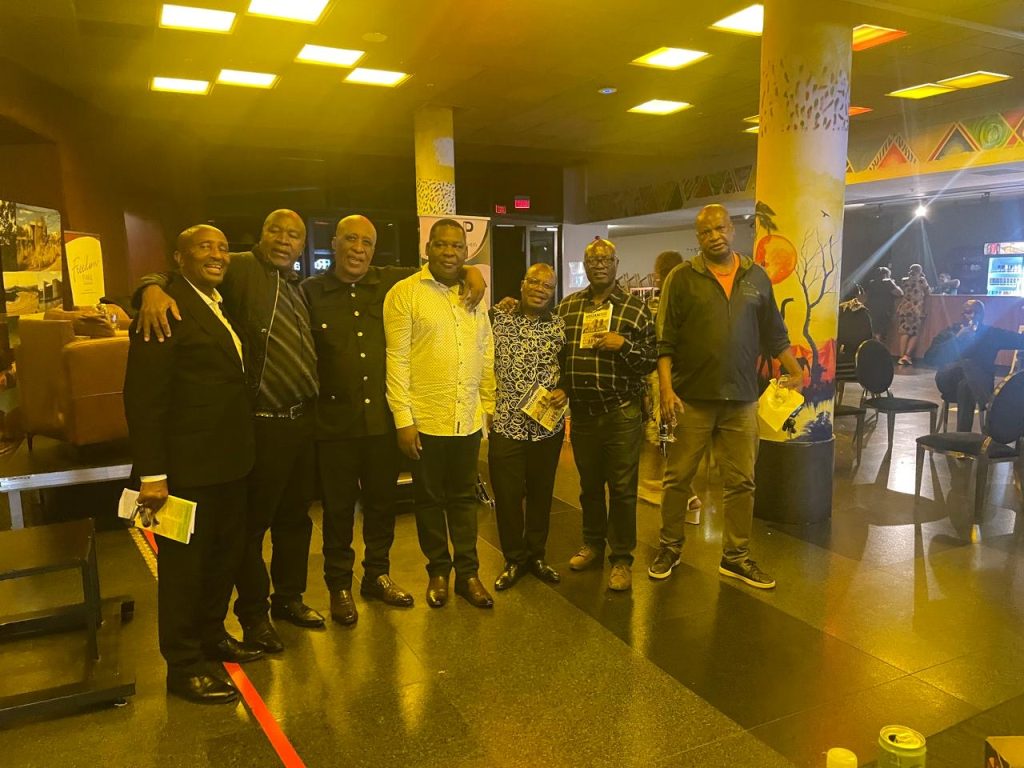
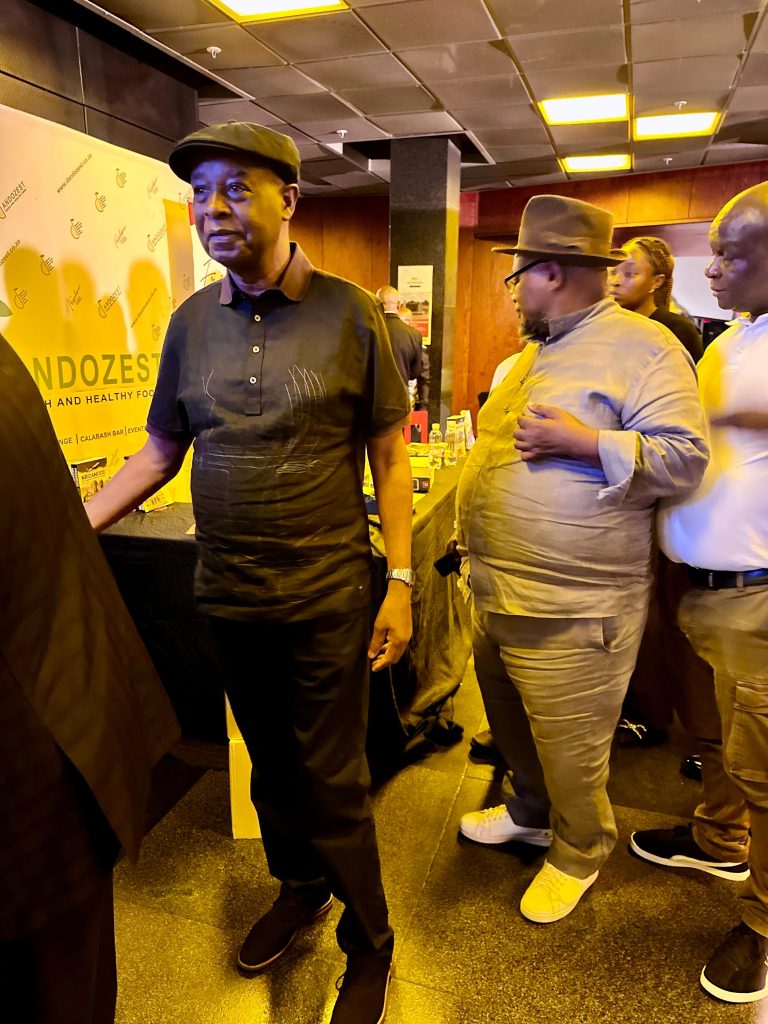
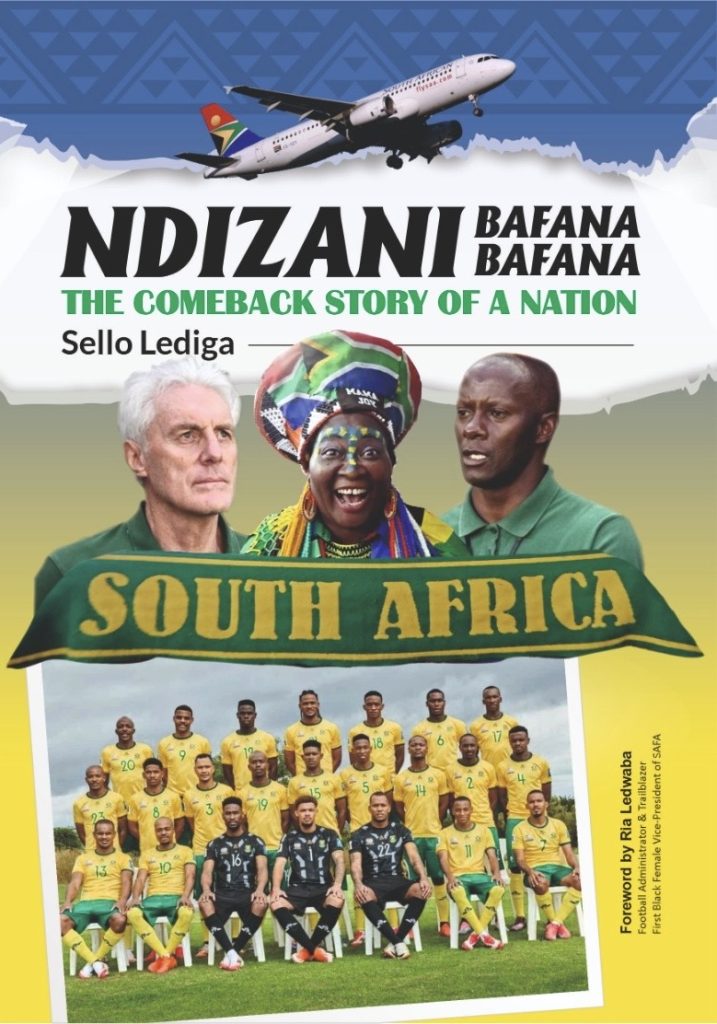
At the sacred and symbolic grounds of Freedom Park, a new chapter in South Africa’s literary and sporting heritage was written on Thursday, 19 March 2026. The occasion marked not only the launch of Sello Lediga Publishers, but also the unveiling of its flagship title: the second edition of Ndizanani Bafana Bafana: The Comeback Story of a Nation (1992–2026) by Sello Lediga.
This was more than a book launch – it was a cultural moment, a convergence of memory, identity and the enduring power of storytelling in shaping a nation.
A publisher is born
The establishment of Sello Lediga Publishers signals a bold and necessary intervention in South Africa’s sport landscape. It is a declaration that African stories – particularly those rooted in lived experience, struggle and triumph – must be told by those who have lived them. The publishing house arrives with intent: to document, preserve and amplify narratives that define the country’s evolving identity through sport – in particular, the beautiful game of soccer.
Its inaugural publication could not have been more fitting. Ndizanani Bafana Bafana stands as both archive and anthem – a meticulous chronicle of South Africa’s national football team from its rebirth in 1992 to its modern resurgence.
The man behind the story
At the centre of this landmark moment is Sello Lediga himself – a writer, social archivist and passionate chronicler of South African football. Over the years, Lediga has carved a niche as a meticulous historian of the beautiful game, driven not merely by fandom but by a deep understanding of football as a social and political force in post-apartheid South Africa. His work reflects a rare commitment to detail, memory and continuity – qualities that have enabled him to document the evolution of Bafana Bafana with both analytical rigour and emotional depth.
Beyond authorship, Lediga’s transition into publishing marks an important evolution in his career. It signals a move from being solely a recorder of history to becoming an enabler of voices – creating a platform through which African stories can be told on their own terms. In this regard, he embodies a new generation of cultural entrepreneurs who recognise that ownership of narrative is as important as its creation. Through both his writing and his publishing vision, Lediga positions himself not only as a storyteller, but as a custodian of national memory.
The dialectic of writers and readers
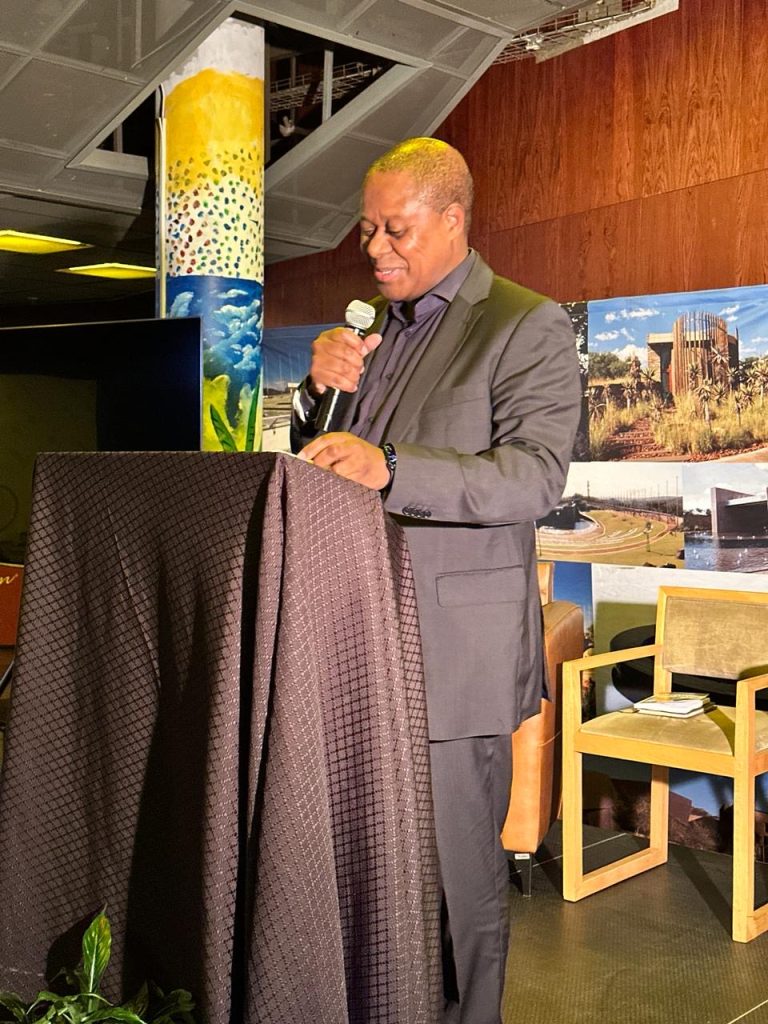
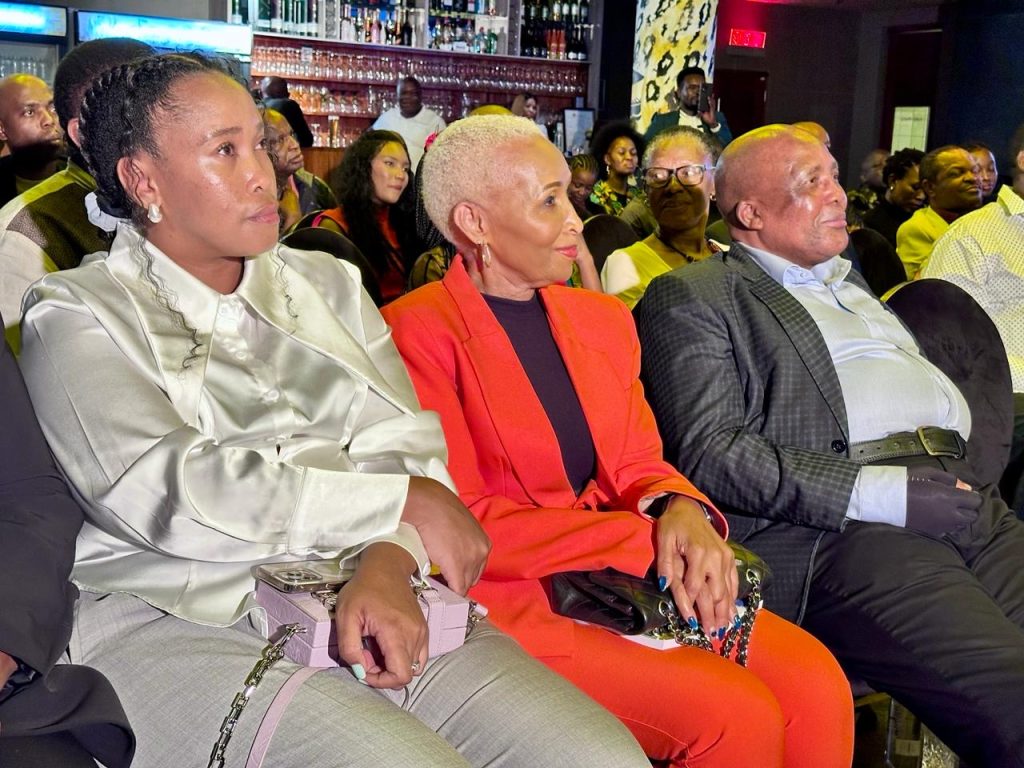
Delivering the welcome remarks, Dr Aaron Motsoaledi offered a profound reflection on the ecosystem of knowledge production. He emphasised the importance of Black authorship in reclaiming narrative agency, but cautioned that writing cannot exist in isolation.
In a resonant articulation, he underscored the indispensable role of readers, arguing that without them, the labour of writers loses its value. The relationship between writer and reader – which he described as what I may call dialectical interdependence – is a dynamic exchange that sustains intellectual and cultural life. In this equation, neither can exist meaningfully without the other.
A nation told through football
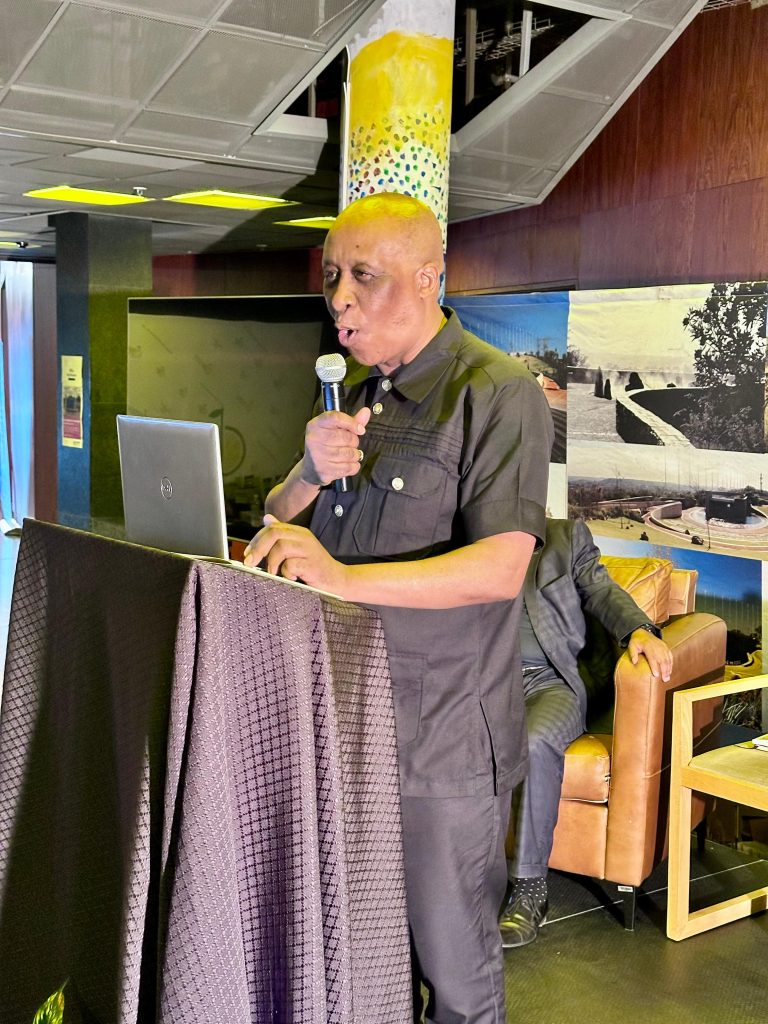
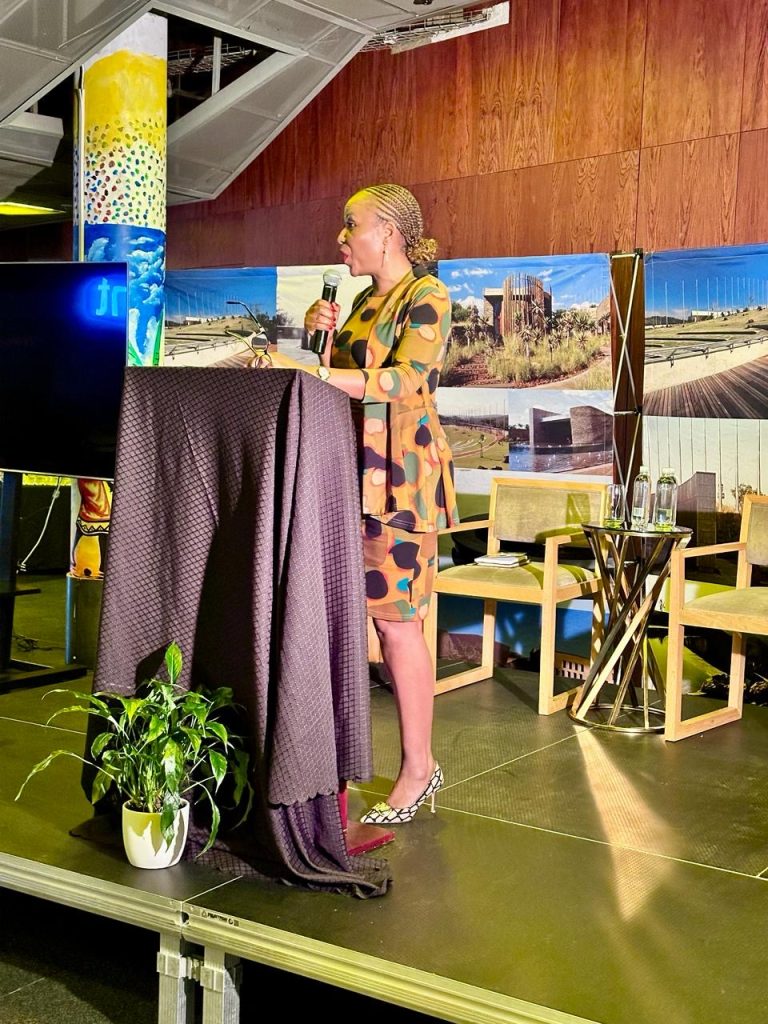
The keynote address by Ria Ledwaba – anchored largely on the “Foreword” she wrote for the book – elevated the evening into a moment of deep reflection on sport as a mirror of society.
“It is with great pleasure that I welcome Sello Lediga’s second edition of Ndizani Bafana Bafana – The Comeback Story of a Nation. The first edition, published in 2004, has long served as an essential chronicle of our national team’s journey. This new edition covers the entire 34-year history of Bafana Bafana and provides even more content and insights into the team’s development. I am particularly impressed that Sello has included coverage of the recently concluded AFCON 2025 hosted by Morocco – a testament to his commitment to currency and recency.”
Ledwaba situated the book as both historical record and emotional archive:
“This book takes readers on a nostalgic journey characterised by trials and triumphs; victory and defeat; tears of pain and euphoria. From humble beginnings in 1992, to the glorious moment of victory in 1996 when we claimed the mantle of African champions, Bafana Bafana lifted the spirits of our new democratic nation. The team’s appearance in two World Cup tournaments in 1998 and 2002 marked the pinnacle of achievement by a young nation still finding its way in the world of football.”
Yet, her address did not romanticise the journey. She spoke candidly about the long years of decline:
“Of course, these initial heart-warming exploits were followed by many years of struggle and failure – a period of darkness that lasted too long. As someone who has been deeply involved in South African football administration, I witnessed first-hand the challenges that plagued our national team during those difficult years.”
One of the most compelling insights she drew from the book was its interrogation of leadership:
“What I find most compelling about Sello Lediga’s work is how he highlights the impact of leadership on the fortunes of the national team. Contrary to popular belief, and notably, our usually under-rated, under-valued and under-paid local coaches have produced far more positive results than their overseas counterparts in this journey.”
She pointed to continental examples and contemporary success:
“At a continental level, AFCON Morocco 2025 is a case in point as demonstrated by the gold medal won by Senegal under a local coach. Effective leadership, often rooted in local knowledge and passion, is crucial in unlocking SAFA’s full potential.”
Her reflections extended to the governance of South African football:
“This book places SAFA under scrutiny over time, offering insights into the interplay between leadership, team performance and national aspirations – insights that I believe are essential for anyone who cares about the future of South African football.”
Closing on a hopeful note, she acknowledged recent progress:
“The recent resurgence of our national team since the advent of Belgian coach Hugo Broos, culminating in an impressive semi-final appearance at AFCON 2023 in Cote d’Ivoire, is evidence of what is possible with clear leadership and direction.”
And in perhaps the most definitive endorsement of the evening, she declared:
“Through this comprehensive and meticulously researched book, Sello Lediga has positioned himself as the chief historian of Bafana Bafana. I urge you to read this book and enjoy the insights of a master story-teller as he walks you through the incredible journey of your country. This is more than a football book – it is a story of our nation’s resilience, our failures, and our triumphs.”
Ceremony and continuity
The programme was seamlessly directed by Andrew “Druza” Dipela, whose experience in football communications ensured both gravitas and flow. The vote of thanks, delivered by Chief Lediga, grounded the evening in gratitude and collective pride – honouring not only the author, but the community and history that made the work possible.
Beyond the book
The launch of Sello Lediga Publishers and its first title is a reminder that storytelling remains central to nation-building. Football, in this context, becomes more than a sport – it is a language through which South Africans have processed freedom, disappointment, hope and renewal.
Ndizanani Bafana Bafana is not merely a chronicle of matches played and trophies won. It is a mirror held up to a nation in motion.
And as the evening at Freedom Park made clear, the story of South Africa – like that of Bafana Bafana – is still being written.