

I recently had the opportunity to visit the Sharpeville Exhibition Centre prior to 21 March 2026. On this day, our diverse country, South Africa – also dubbed the Rainbow Nation – commemorates what transpired in 1960 at the Sharpeville Massacre, globally recognised as the International Day for the Elimination of Racial Discrimination.
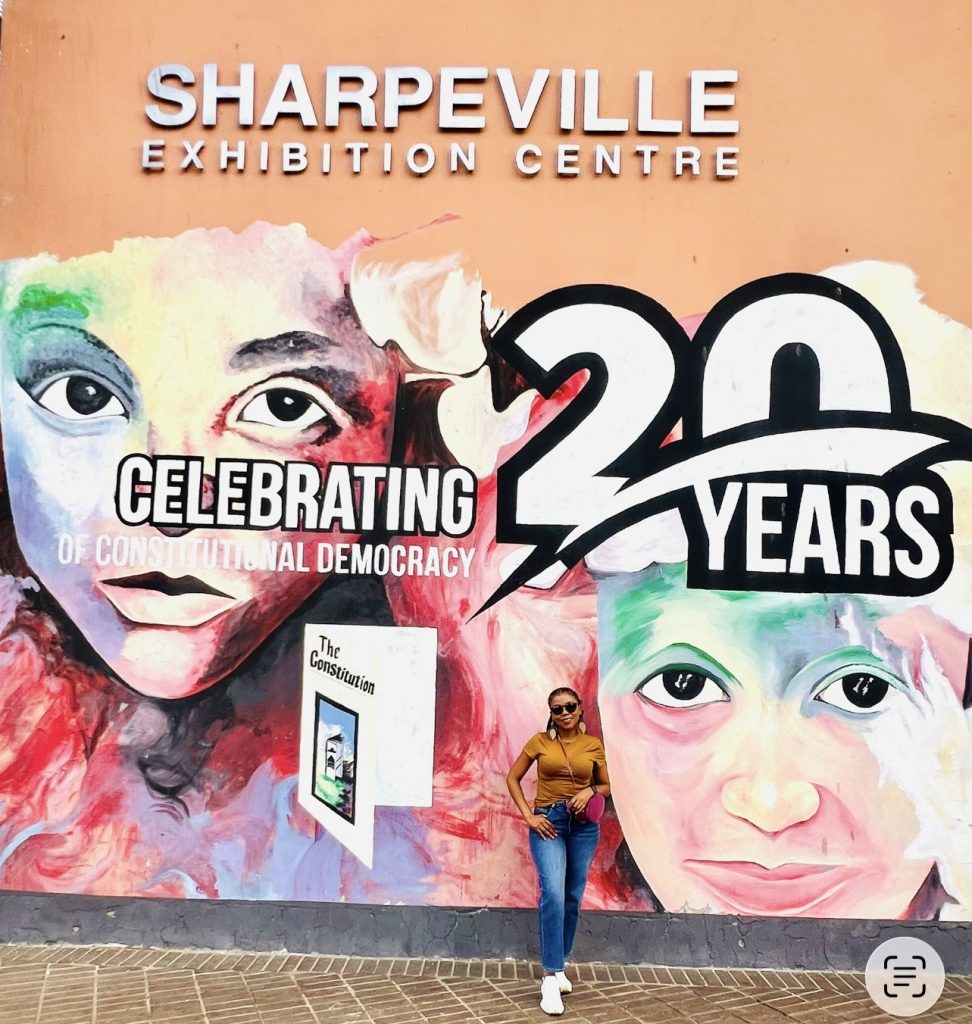
Outside the monument, all you hear are the hooters of taxis and the sounds of Amapiano escaping from people’s car players. In essence, today the streets of the Vaal outside the monument are buzzing with vibrant youth who do not fear for their lives, and little children doing TikTok dance challenges. Indeed, freedom of movement and speech, and of leaving home without a pass of identification, has been attained. But at what cost?
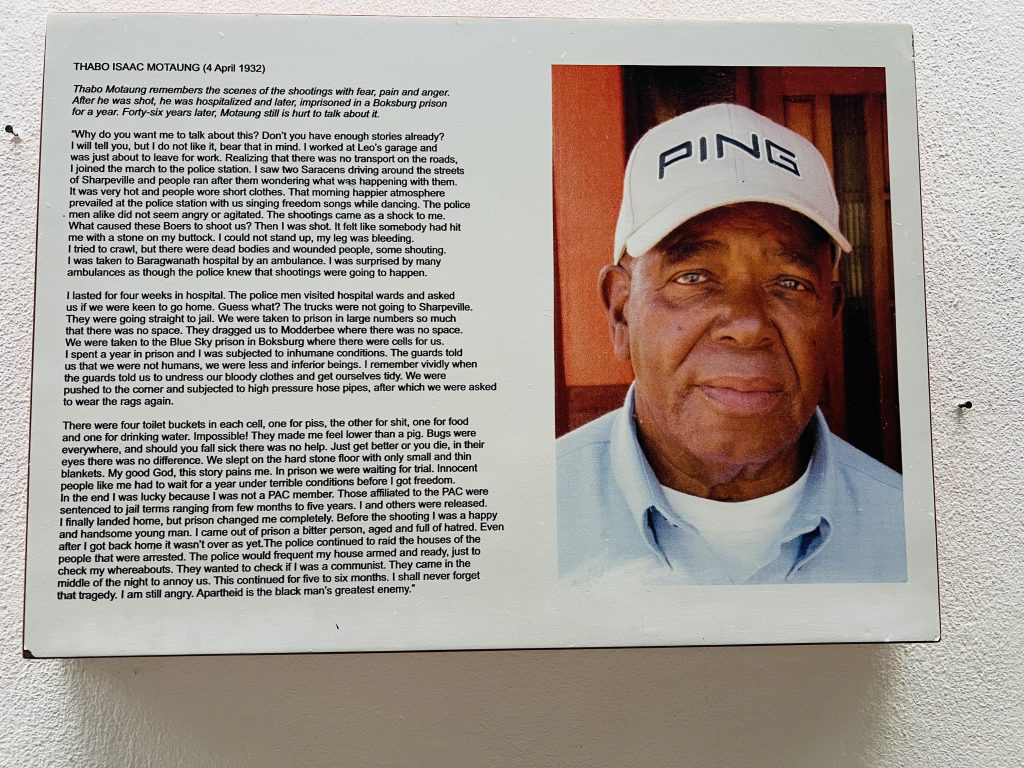
However, once you walk through the doors of the museum, you are instantly transported into a sombre mood. You come face to face with the ugly reality of apartheid history. The atmosphere suddenly changes and the building becomes cold. The absence of warmth is owing to the pictures and the sad stories of those who were affected by the atrocities of that day.
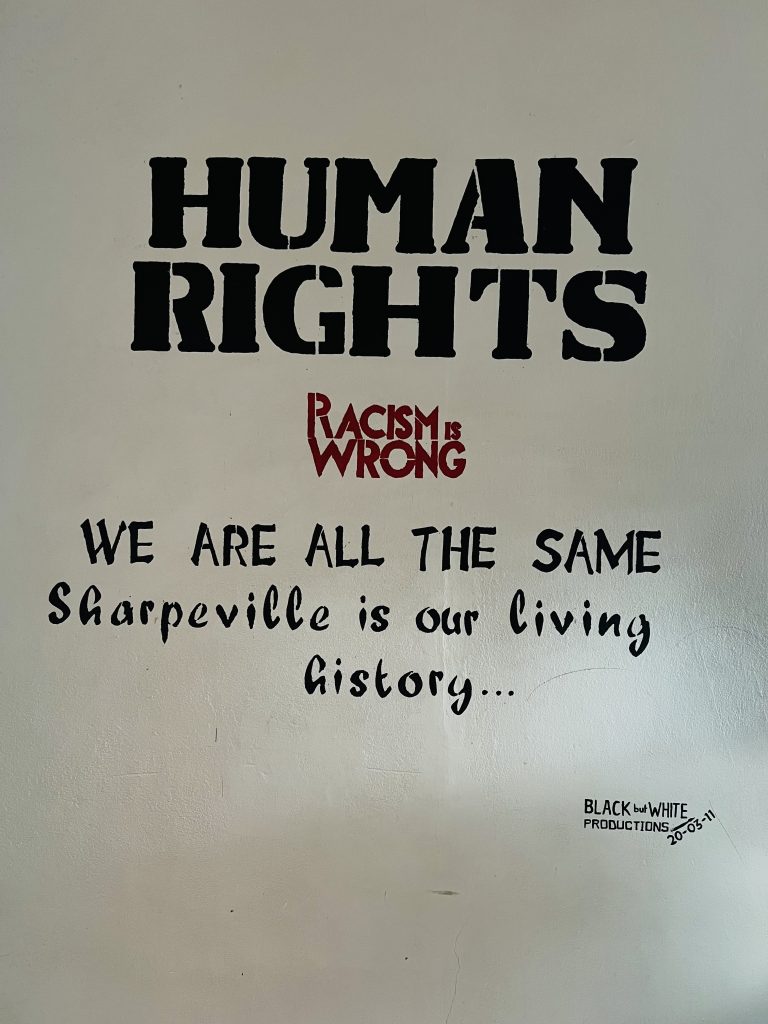
Let me paint the picture of what transpired on 21 March 211960, in a black township in South Africa called Sharpeville. It was during the height of apartheid (1948–1994), when “non-white” citizens were suffocated by oppressive laws, racial discrimination and segregation, among other forms of denied freedom. This system, which only favoured the minority (white South Africans), dehumanised and marginalised black people, and introduced strict laws against black men. The word “freedom” became antonymous to the community of Sharpeville and black people at large.
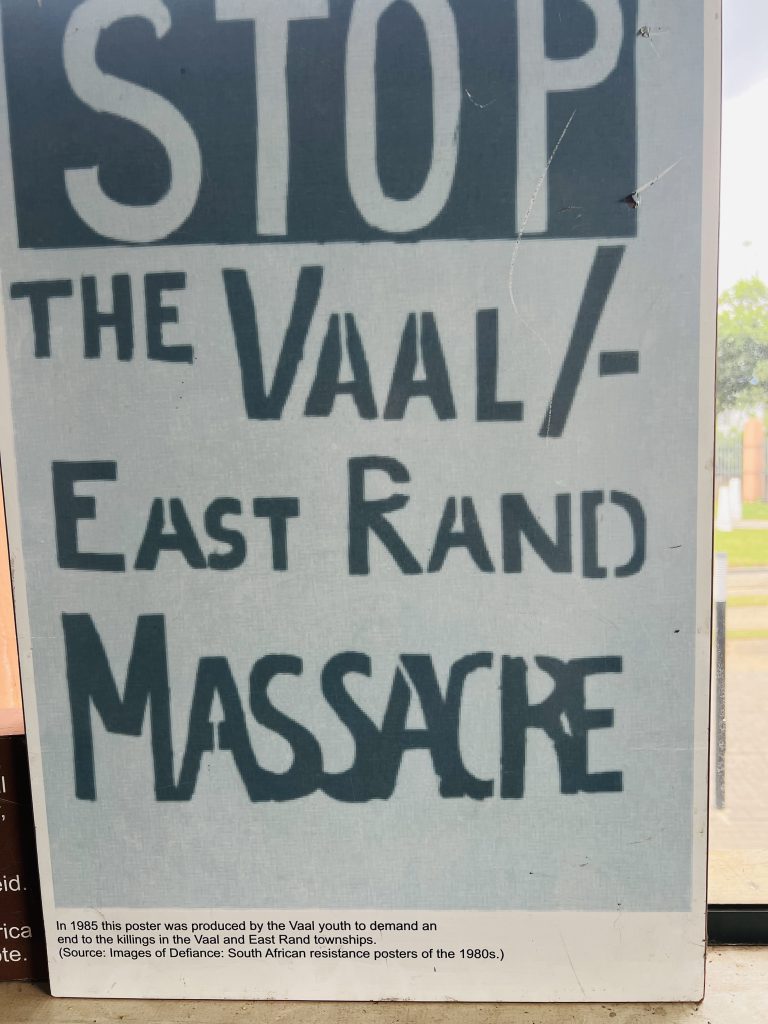
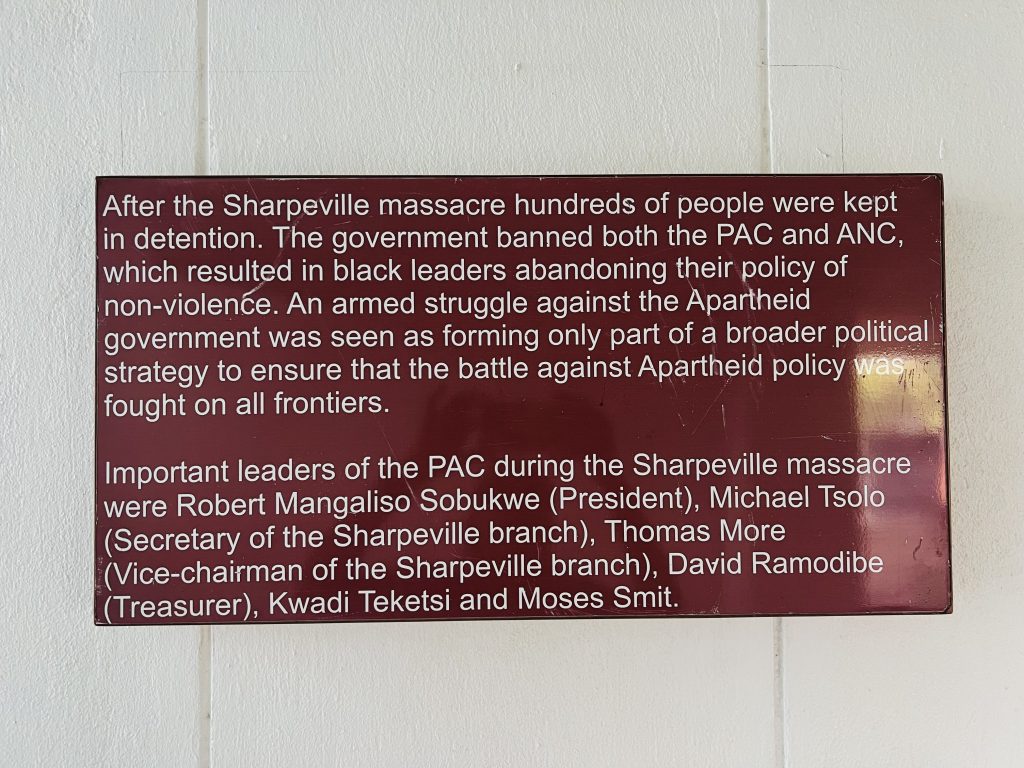
The Sharpeville Massacre would inevitably impact the landscape of apartheid in South Africa. Prior to that, the Pan Africanist Congress (PAC), led by Robert Sobukwe, had in their peaceful demeanour reached the conclusion that they would march to the local police station in Sharpeville and intentionally leave their passes behind. What began as a peaceful march later turned into a massacre, leaving 69 unarmed people dead. Whilst the means was to cry for freedom through a peaceful march, the end developed into bloodshed – the end orchestrated generational trauma, detention and the subsequent banning of the PAC and the African National Congress, which in turn ignited defiance and contributed to the genesis of a democratic South Africa.
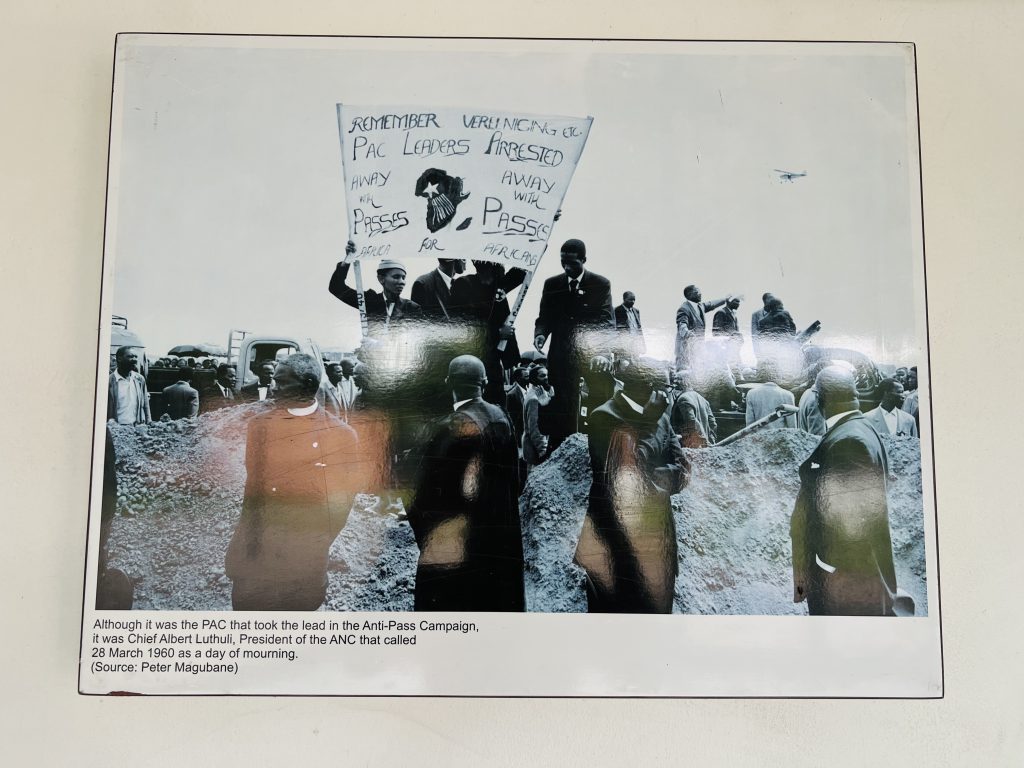
Of course, the act of not carrying passes was one of defiance, but the protesters were calm, composed, united in their programme and, most importantly, unarmed. The spirit of unity was displayed, not knowing it would attract over 700 fired bullets.
The Sharpeville Museum honours our heroes, the eyewitnesses and our struggle stalwarts, and showcases powerful artefacts.
As predicted, such a massacre was of great magnitude that the apartheid regime had to bear the brunt of economic and social isolation by the international community. Despite the inhuman and unjust system that was in practice, today, March 21 stands as a national holiday in South Africa. Mine is to urge both the young and the old to transport themselves back into the history of our country – and Africa at large – in order to holistically grasp and appreciate the freedom that we bask in today.