By Saul Molobi
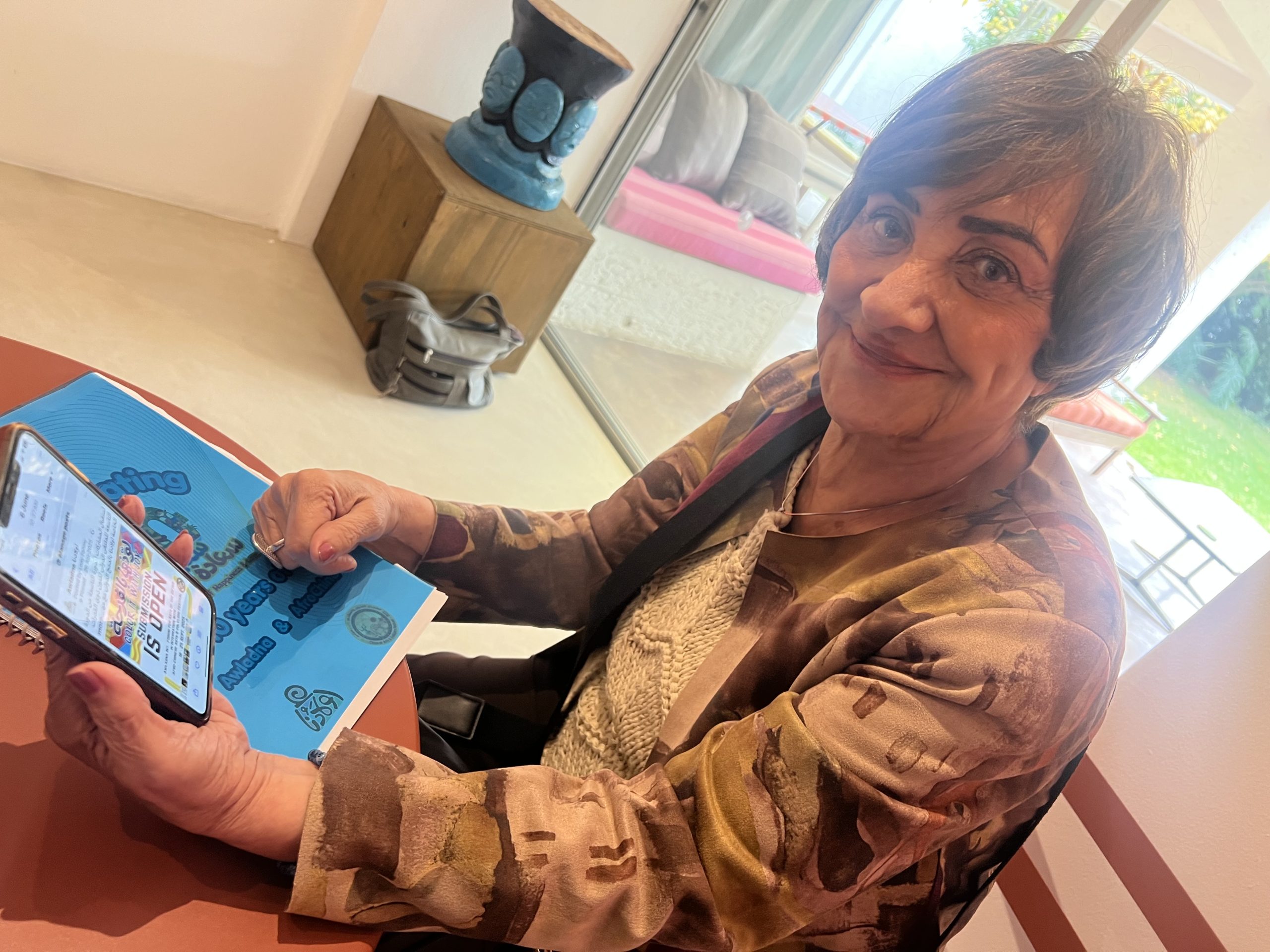
For Egyptian cultural activist and festival founder Soheir Kader, children’s development cannot be separated from cultural exchange, international cooperation and the arts. Speaking to me on the last day of the Nelson Mandela Children’s Film Festival in Johannesburg, Kader reflected on a journey that has positioned her among the leading advocates for the artistic empowerment and inclusion of children and young people with disabilities – she abhors the construct of “disabilities” and prefers to describe these children as having special abilities.
At the heart of her work is the Awladna Foundation for Arts of People with Special Abilities, a pioneering non-profit organisation established by Decree No. 834 of 2018 issued by the Central Administration for Associations at Egypt’s Ministry of Social Solidarity. Since its establishment, the foundation has become one of Egypt’s most prominent organisations dedicated to supporting and developing the artistic talents of people with special abilities.
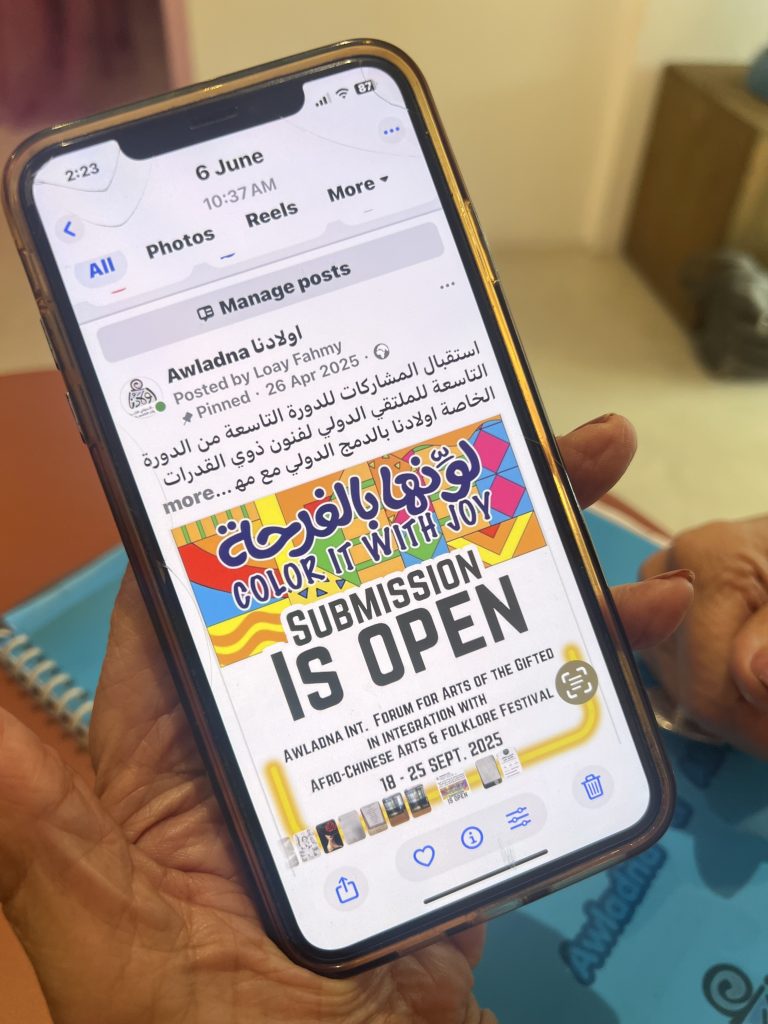
The foundation is widely recognised as the first institution of its kind to focus specifically on advancing the arts of people with special abilities at both local and international levels. Through its flagship programme, the Our Children (Awladna) International Forum for Arts of People with Special Abilities, integrated with the Afro-China Arts and Folklore Festival, the organisation has created a unique global platform that promotes inclusion through artistic expression.
Kader explained that her vision has always been rooted in integration rather than separation.
“Our children must not live in isolation,” she said. “They need to meet people from different countries, understand different cultures and learn about the world beyond their immediate surroundings. When young people see a dance from Italy, a performance from China or a film from Africa, they begin to understand that they are part of a larger global community.”
This philosophy has transformed the Awladna International Forum for Arts of the Gifted into one of the world’s most distinctive cultural events. Hosted annually at the Cairo Opera House in partnership with the Afro-China Arts and Folklore Festival, the forum is dedicated to promoting artistic integration among children and young people with special abilities.
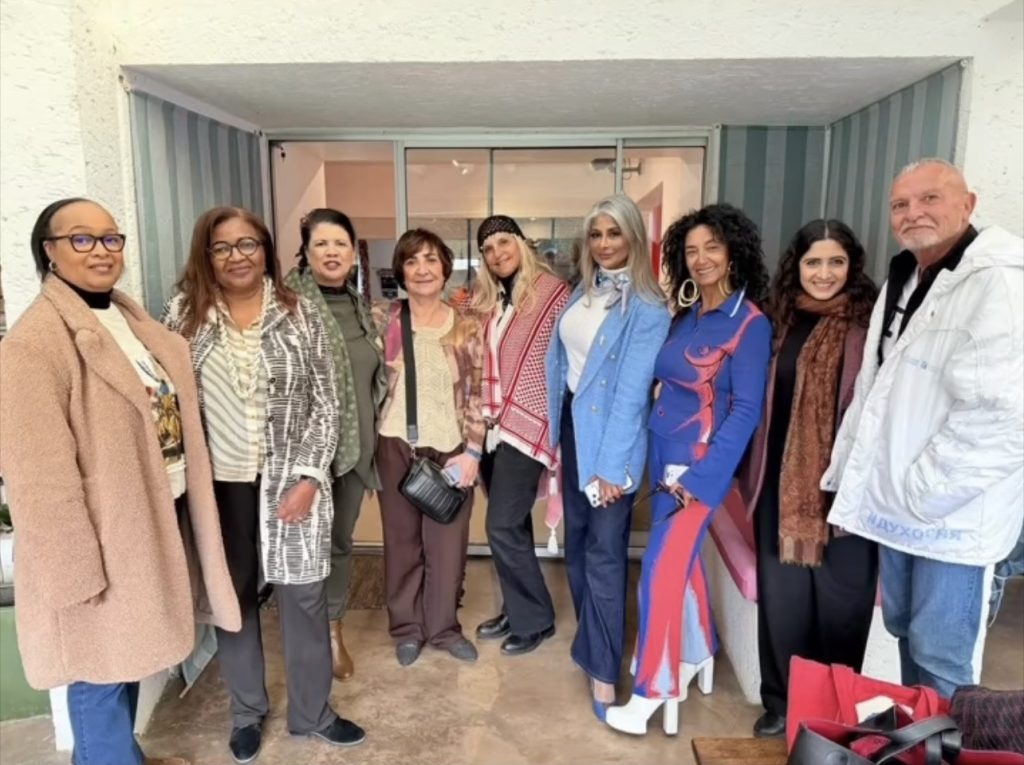
What makes the festival particularly remarkable is that it is believed to be the only international artistic forum in the world that systematically integrates people with special abilities alongside non-disabled participants from Egypt, the Arab world, Africa and other regions of the world. Rather than creating separate spaces, the festival intentionally places inclusion at the centre of every performance and activity.
The event has grown into a major international gathering. The most recent edition attracted participants from more than fifty countries, bringing together theatre groups, filmmakers, dancers, musicians, artists and cultural practitioners from across the globe.
A major highlight of the forthcoming edition will be the celebration of 70 years of relations between Egypt and China. Kader said the commemorative programme will also underscore Africa’s role in strengthening cultural diplomacy and people-to-people relations.
The opening ceremony is expected to bring together ambassadors, cultural leaders and artists in a symbolic demonstration of friendship and cooperation between Egypt, China and Africa. The festival’s theme, “Meet in Egypt,” seeks to position the country as a meeting point for cultures, ideas and creative expression.
Yet the festival extends far beyond ceremonial events. Throughout the week, participants engage in a rich programme of artistic, educational and cultural activities. These include theatrical productions, music and dance performances, film screenings, handicraft markets, fine art and photography exhibitions, workshops, masterclasses and awareness seminars designed to deepen understanding of disability inclusion and social integration.
The festival also showcases successful examples of talented young people with special abilities who have overcome barriers and flourished in the arts. These stories serve as powerful reminders that talent knows no physical, sensory or intellectual boundaries.
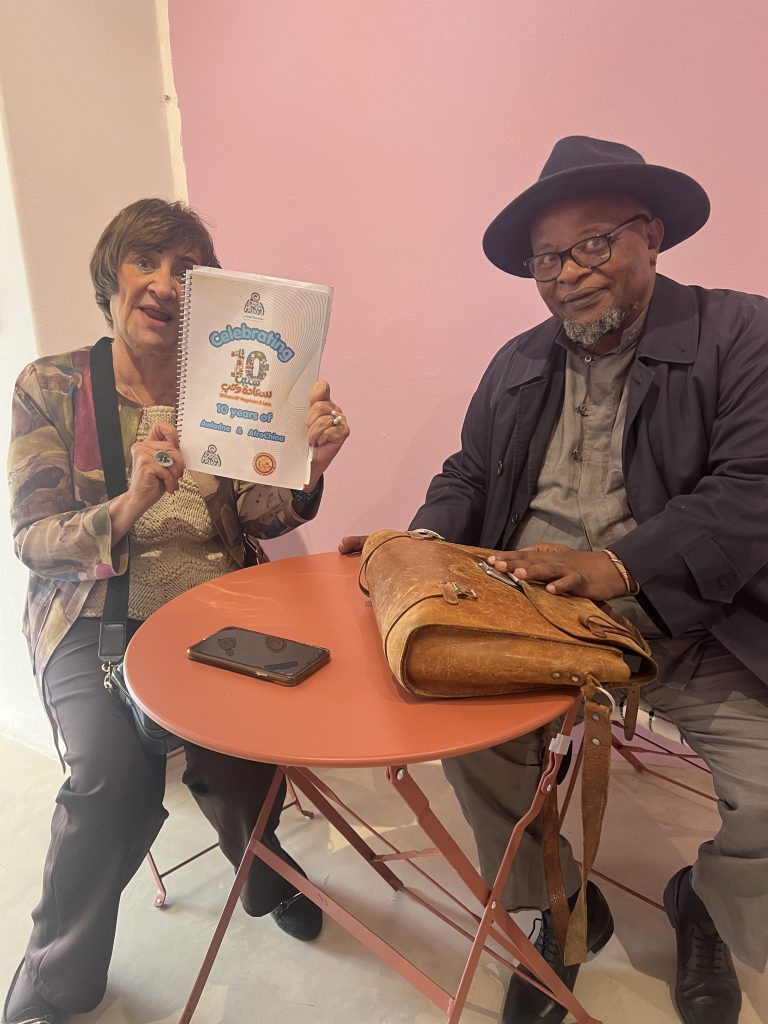
Beyond the festival itself, the foundation’s work encompasses a broad range of activities and services aimed at supporting “Awladna” — our children — and their caregivers. It promotes artistic development, creates opportunities for participation in local and international cultural exchanges, and builds networks of cooperation across countries and institutions.
Its scope of work includes developing local and international partnerships, creating platforms for artistic training, facilitating cultural diplomacy and strengthening social inclusion through creative expression.
The organisation’s growing international profile has led to the development of several global cultural initiatives, including the International Meeting for Arts of People with Special Abilities, integrated with arts and Afro-Arab cultural programmes. Through these platforms, artists from diverse backgrounds come together to demonstrate how culture can become a powerful vehicle for inclusion and mutual understanding.
The forum enjoys significant institutional support and is held under the patronage of the President of Egypt. It also receives support from a range of national bodies, including the Ministry of Culture, the Ministry of Youth and Sports and the National Council for Persons with Disabilities. Such backing has helped elevate the festival into a flagship event on Egypt’s cultural calendar.
The festival’s commitment to inclusion was further strengthened by Kader’s recent visit to a unique university serving deaf students.
“I had never seen anything like it before,” she remarked. “It was an extraordinary experience and opened new possibilities for collaboration.”
The institution has already expressed interest in partnering with organisations in Egypt and Africa, including Afro-China initiatives. Kader revealed that the university is likely to be honoured as a special guest at the next edition of the festival.
When informed her that South African Sign Language is recognised as the country’s 12th official language, Kader immediately saw opportunities for future cooperation.
“Next year I want to do something specifically for South Africa and especially for the deaf community,” she said.
The conversation also highlighted the practical realities of organising an international festival. Although dozens of countries have already confirmed participation, financing remains a significant challenge. Hundreds of artists, performers and delegates travel from abroad to attend the event, creating considerable logistical and financial demands.
Rather than allowing these challenges to limit participation, Kader has developed innovative solutions that also empower young people. One such initiative is a café operated during the festival by gifted and talented children. The project provides practical training while generating income that belongs entirely to the participants.
“The foundation is not allowed to take anything from what they earn,” Kader explained. “Everything belongs to them. They create, they exhibit and they sell their work.”
The café complements a broader programme of year-round exhibitions and open markets where young artists can showcase and market their creations. Through these initiatives, children are encouraged not only to develop their talents but also to gain entrepreneurial skills, confidence and economic independence.
Molobi expressed particular admiration for Kader’s deliberate use of the word “gifted” when referring to children who are often marginalised because of disability or difference.
“I am an advocate for mainstreaming these issues, especially around gifted children,” Molobi noted.
Kader agreed, emphasising that language matters because it shapes perceptions and possibilities. Rather than focusing on limitations, she prefers to highlight potential, talent and creativity.
After decades of building bridges through culture, Kader remains convinced that art is one of humanity’s most powerful tools for social transformation. Through the Awladna Foundation and its international forum, she has created more than a festival. She has built a movement dedicated to proving that inclusion is not an act of charity but a recognition of human potential.
For me, the conversation reinforced the importance of initiatives that place children at the centre of cultural development. For Kader, it was another opportunity to strengthen partnerships across borders in pursuit of a simple but powerful vision: a world where every child, regardless of ability or circumstance, can discover their talent, find their voice and connect with humanity through the universal language of art.