

By Saul Molobi
The book is changing. But not disappearing. Changing!
For generations, the printed book has been one of humanity’s most enduring ways to preserve knowledge, tell stories, and pass ideas between generations. That tradition remains important. But readers’ habits are evolving, and publishing must evolve with them.
Today, millions of people carry their reading on smartphones, tablets, computers and e-readers. A book can be downloaded in seconds, carried across borders and accessed wherever there is a connected device.
For Africa, this shift presents an opportunity that goes beyond convenience. It is a moment for us to make African ideas more accessible – and to give African publishing greater reach.
This is why Brandhill Africa™, like other publishers across the world, sees e-books as an important part of the future of publishing.
Breaking the barriers to distribution
One persistent challenge facing African publishing is distribution. A book may be written in Johannesburg, published in Lagos, or printed in Nairobi, yet reaching readers elsewhere on the continent can involve high costs and logistical hurdles. Physical distribution takes time, requires infrastructure, and can make books difficult or expensive to obtain beyond established markets.
Digital publishing changes that equation. An e-book can move from publisher to reader without relying on printing, warehousing, shipping, or physical retail networks. A reader in Cape Town can access a publication from another African market. An African living in London, Toronto or New York can remain connected to contemporary African writing.
The digital book makes geography less decisive. That matters on a continent of 55 countries, diverse publishing markets and vast distances between communities of readers.
It also creates possibilities for specialised and independent publications that may not have the commercial scale to justify extensive print distribution.

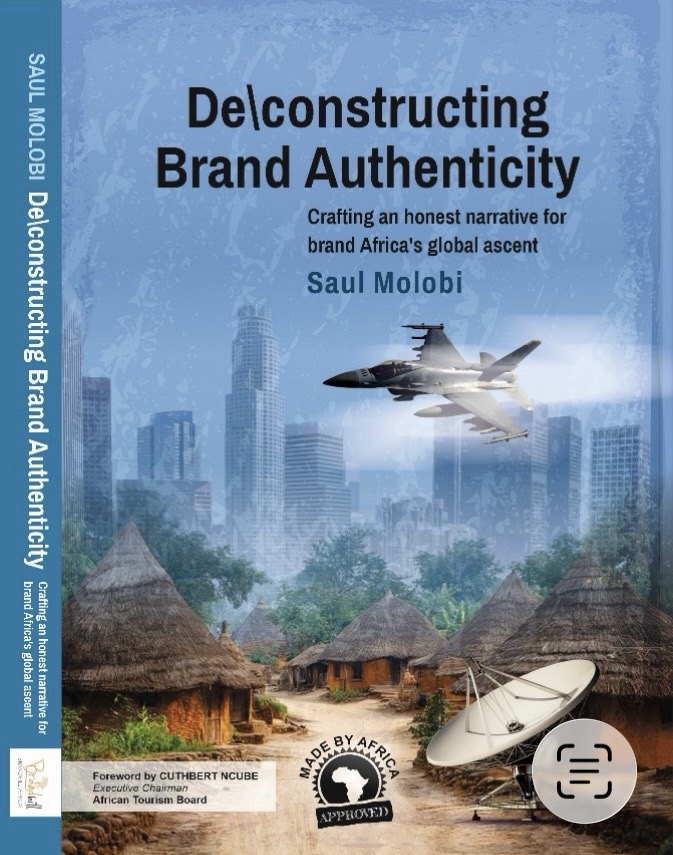
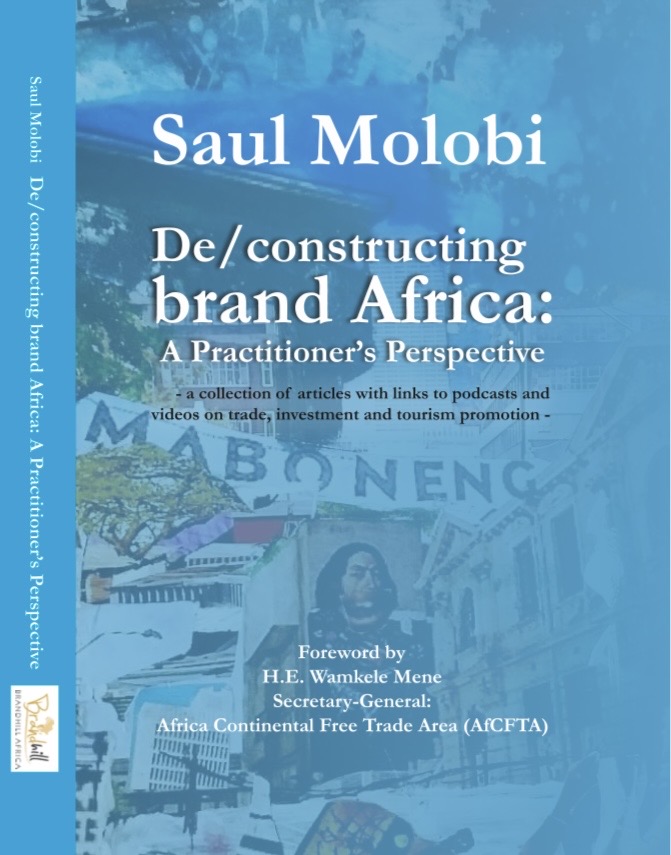
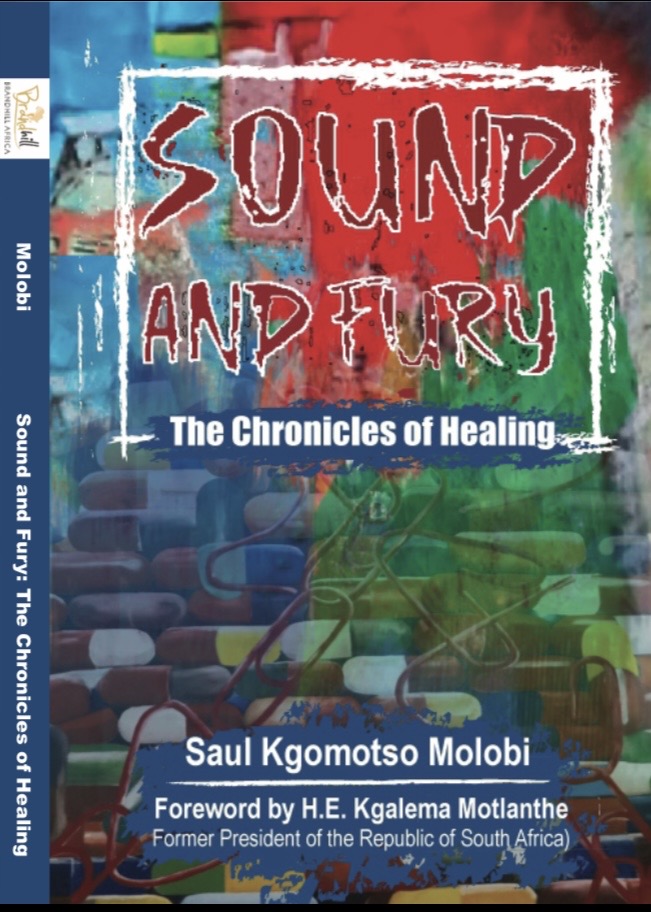
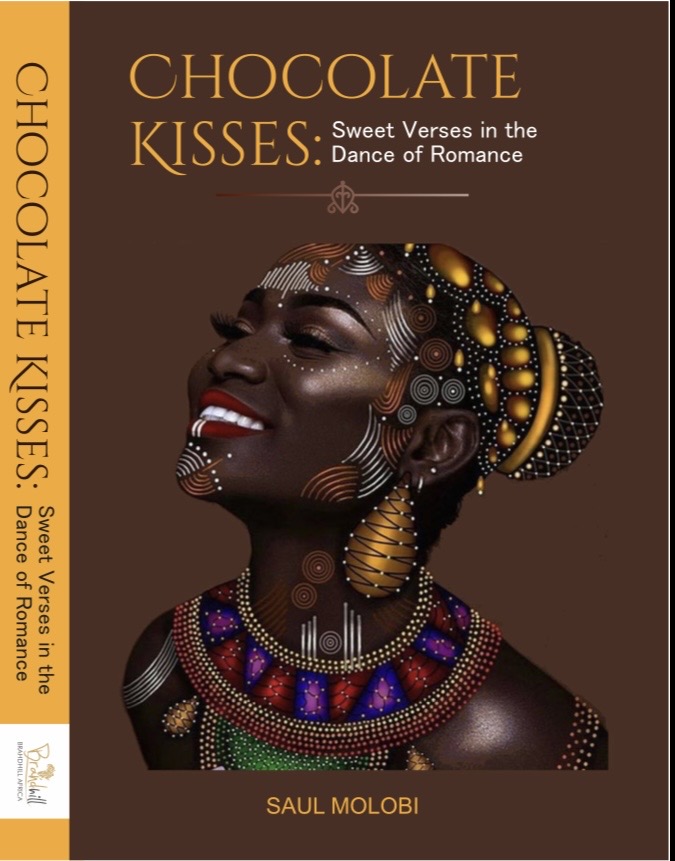
*** This QR code takes you to an Amazon page to buy some of our books ***
The bigger question: Who gets to tell the story?
The digital transformation of publishing raises a more fundamental question for Africa: What will Africa read and whose ideas will shape what it reads?
Africa has often been represented through narratives produced outside the continent. Engaging with the wider world has value, but African societies must also document, interpret, and publish their own experiences.
That means creating space for African authors, researchers, historians, journalists, poets, entrepreneurs, cultural practitioners and other thinkers.
Digital publishing gives those voices another route to audiences.
For Brandhill Africa™, this is central to our purpose. Our role is not simply to produce books in another format. It is to help ideas travel – connecting authors and readers and strengthening the African publishing ecosystem. Our position is that African stories should not struggle to cross African borders.
A better reading experience
E-books also offer practical benefits. Readers can carry multiple publications on a single device, search within a text, adjust the display, and access books without waiting for physical delivery. Students and researchers can obtain material more quickly; professionals can read while traveling; and readers living far from major bookshops can access publications that may otherwise be difficult to find.
These are not replacements for the printed book. They are additional ways of reaching readers.
The future of publishing is therefore unlikely to be a contest between print and digital. It will be both.
The physical book will continue to have cultural, educational and emotional value. But digital publishing expands the routes through which books can reach their audiences.
What matters is not the format alone. It is whether the idea reaches the reader – conveniently, efficiently and cost effectively.
Opportunity must be matched by quality
The growth of digital publishing should not mean publishing for its own sake. Easy distribution does not guarantee valuable content. Africa needs digital books that are well researched, carefully edited, professionally produced, and intellectually worthwhile.
The continent also needs a sustainable publishing environment in which authors and publishers are fairly rewarded for their work.
The convenience of downloading a book cannot excuse piracy. If digital publishing is to strengthen African literature and knowledge production, readers must recognise that supporting legitimate publications helps sustain the people who create them. Accessibility and intellectual property must advance together.

Taking African ideas further
This is where Brandhill Africa™ sees its opportunity. Our digital publishing strategy is part of a broader effort to make African ideas more accessible to contemporary readers and to extend the reach of publications beyond the limitations of traditional distribution.
We believe publishing should do more than place a book in the marketplace. It should create a pathway between an idea and its reader. Digital technology makes that pathway faster and wider.
For Africa, the stakes are bigger than technology. They concern cultural memory, intellectual independence and participation in the global knowledge economy.
We need to preserve our histories. Yes, we need to interrogate our present – not only the challenges confronting African societies, but also the economic, political, cultural and social forces shaping the continent’s future.
We need to document our histories, preserve our indigenous knowledge, examine our development choices and create space for African researchers, writers, entrepreneurs, artists and thinkers to engage critically with the issues that matter to our communities.
We also need to imagine an African future on our own terms: one that reflects the continent’s diversity, creativity, aspirations and lived realities rather than relying predominantly on narratives produced elsewhere. African voices must therefore move beyond being subjects of global conversations about development, poverty, conflict, migration or opportunity; they must help define the questions, produce the knowledge and shape the solutions.
The e-book is one practical instrument for doing this. By reducing barriers of geography, distribution, and access, digital publishing can help African ideas move more easily across the continent and into the global marketplace of ideas – giving our authors, scholars, and storytellers greater opportunity to inform how Africa understands itself and how the world understands Africa.
The future of reading is already here. Africa should embrace it – not simply to consume more content, but to ensure that more African knowledge, experience, and imagination travels further.
Brandhill Africa™ is committed to helping make that happen.

*** This QR code takes you to an Amazon page to buy Sello Lediga’s book ***
****
Saul Molobi is the founding Group CEO and Chairman of Brandhill Africa.