
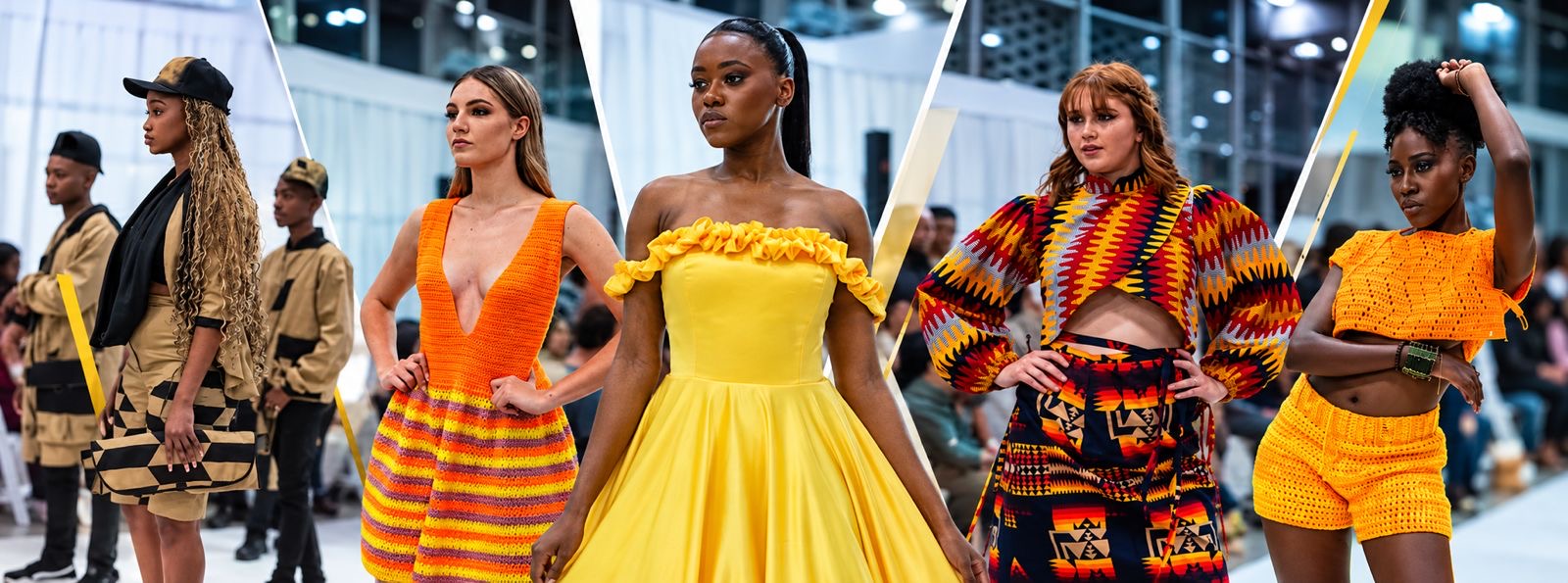
In South Africa’s platinum heartland, an ambitious fashion movement is challenging the economic identity of a city built on mining. A decade after entrepreneur Gili Ramalekana began creating opportunities for local designers and creatives, Rustenburg Fashion Week is emerging as a compelling example of how fashion, enterprise and cultural expression can help reshape regional economies.
By Tshepo Matseba
For generations, the story of Rustenburg has been written in platinum. Situated in South Africa’s North West Province, against the dramatic backdrop of the Magaliesberg, the city has long occupied a significant position in the country’s mining economy. Its fortunes have been shaped by mineral extraction, industrial investment and the thousands of families whose livelihoods depend on the platinum industry. Yet beyond the mines, commercial centres and industrial infrastructure, another story is beginning to unfold. It is a story of creativity, ambition and a growing determination to redefine what economic opportunity might look like in a city traditionally associated with what lies beneath its soil.
On 3 October 2026, that emerging identity found expression in an unlikely setting. At the Toyota Rustenburg dealership, the familiar surroundings of an automotive showroom gave way to a fashion runway as more than ten designers and 45 models came together for Rustenburg Fashion Week. The event brought fashion, design and local entrepreneurship into a commercial environment far removed from the established fashion capitals of Johannesburg and Cape Town. It was a striking illustration of how creative industries can occupy new spaces, attract different audiences and challenge conventional perceptions of where fashion belongs.
Behind this initiative is Gili Ramalekana, an entrepreneur and business development specialist whose vision began approximately a decade ago with a deceptively simple proposition: talented people should not have to leave their communities to be recognised. With more than 20 years of experience in business and community development, Ramalekana understood that the absence of opportunity is not necessarily evidence of an absence of talent. In Rustenburg and across the North West, aspiring designers, models, stylists and other creatives possessed the ambition and imagination to participate in the fashion industry, but lacked the platforms, professional networks and commercial exposure that often determine whether creative potential becomes economic success.
Rustenburg Fashion Week emerged from that understanding. Rather than waiting for established fashion institutions to discover talent in the province, Ramalekana set out to create a platform through which that talent could become visible. What began as an effort to promote local fashion and design has gradually developed into a broader expression of entrepreneurial possibility, bringing together creative practitioners, businesses and communities around the idea that fashion can become a meaningful contributor to regional economic development.
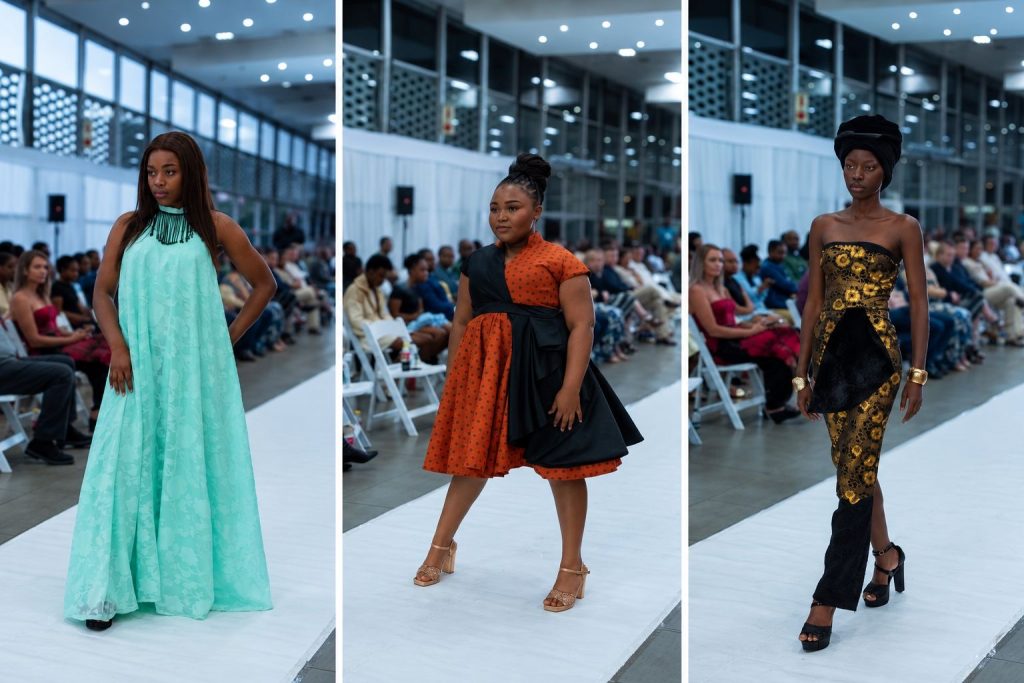
The significance of this initiative extends well beyond the spectacle of a runway. Fashion is frequently misunderstood as an industry concerned primarily with glamour, aesthetics and consumer trends, yet its economic foundations are considerably more complex. Behind every garment is an interconnected system of textile production, design, pattern making, tailoring, manufacturing, branding, photography, marketing, distribution and retail. When these activities become commercially viable, they create opportunities for small enterprises, skilled artisans and young people seeking alternatives to traditional employment.
South Africa’s clothing, textile, footwear and leather industry has historically played an important role in manufacturing and employment, although its development has been constrained by competition from imports, rising production costs and the pressures of a rapidly changing global retail environment. The growth of international online fashion platforms has intensified competition, while simultaneously demonstrating how technology and digital distribution are transforming the relationship between designers, manufacturers and consumers. For emerging entrepreneurs, these changes present challenges, but they also create opportunities to establish distinctive brands, reach audiences beyond their immediate communities and participate in markets that were previously difficult to access.
It is within this changing economic landscape that Rustenburg Fashion Week becomes particularly relevant. The initiative is helping to introduce a different understanding of entrepreneurship to a generation of young people who have grown up in an economy where mining, public employment and established commercial industries have traditionally represented the most visible pathways to economic participation. By placing local designers and creatives on a public platform, the event helps make fashion entrepreneurship more visible, credible and aspirational, encouraging young people to consider the possibility of building businesses around their creativity.
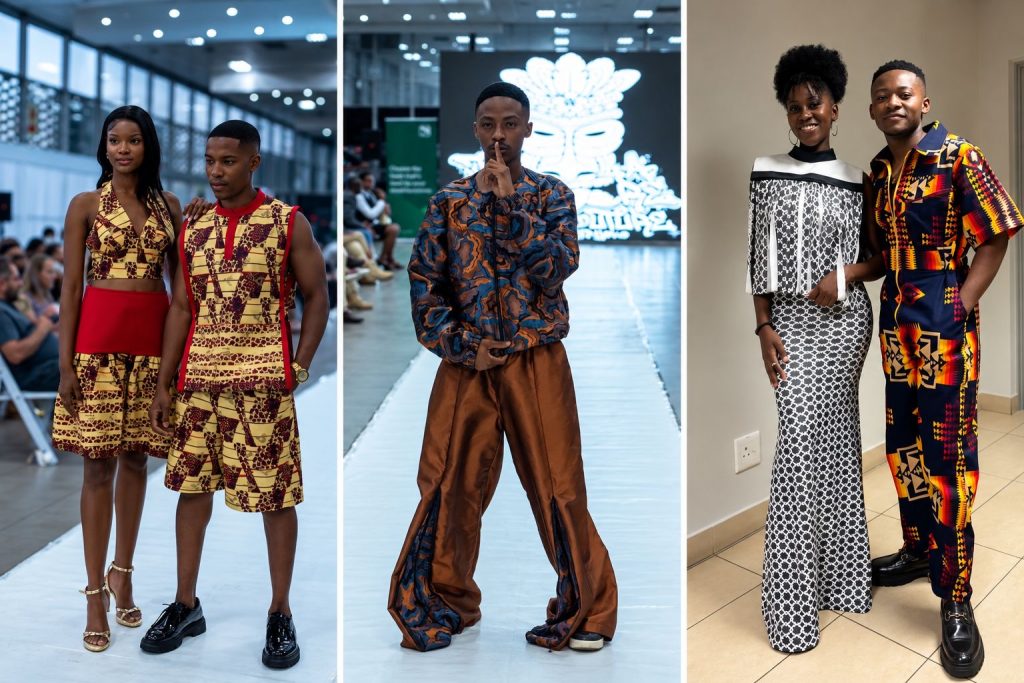
The involvement of established corporate brands, including Nedbank and Toyota in Rustenburg, adds an important dimension to this evolving story. Their support reflects the potential for partnerships between established businesses and emerging creative industries, particularly in regional economies where access to finance, markets and professional networks remains a persistent challenge. The decision to host the recent fashion showcase at a Toyota dealership carried its own symbolism, transforming a space associated with automotive commerce into a setting for creative expression and entrepreneurial ambition. It demonstrated that the creative economy need not exist in isolation from traditional business sectors, but can become part of a wider commercial ecosystem.
Such partnerships are particularly important in a country where youth unemployment remains one of the most pressing economic and social challenges. The ability to create opportunities for young people requires more than encouraging entrepreneurial ambition; it demands practical mechanisms through which ideas can be developed into products, products into businesses and businesses into sustainable sources of income. Fashion provides an accessible point of entry for many aspiring entrepreneurs because it combines creativity with technical skills, cultural identity and commercial potential. A young designer who begins by producing garments for a local market may eventually establish a clothing label, employ machinists and tailors, source materials from local suppliers and distribute products through digital platforms or established retailers.
Rustenburg’s potential in this regard is strengthened by its geographical position and economic character. Although historically dependent on mining, the city has an established commercial base, a diverse population and proximity to Gauteng, South Africa’s largest provincial economy and consumer market. Its cultural heritage and connection to the wider North West also offer opportunities for designers to develop products that draw on regional identity while engaging with contemporary African and international fashion trends. In a global industry increasingly interested in authenticity, cultural expression and distinctive creative narratives, the ability to translate local heritage into commercially relevant design can become a competitive advantage.
There is also a broader international context to this development. Across Africa, fashion has become an increasingly visible expression of cultural confidence, entrepreneurship and economic ambition. Designers from Lagos, Accra, Nairobi, Dakar and Johannesburg have contributed to a growing international appreciation of African creativity, challenging older assumptions about where fashion innovation originates. Yet the continent’s fashion story cannot be told exclusively through its major metropolitan centres. Smaller cities and regional economies possess their own creative traditions, cultural identities and entrepreneurial communities, many of which remain underrepresented in mainstream fashion discourse.
Rustenburg’s emergence as a platform for fashion and design is therefore part of a wider conversation about decentralising creative opportunity. It challenges the notion that cultural industries must be concentrated in established urban centres and raises important questions about how secondary cities can participate in the global creative economy. If supported by investment, training, manufacturing capacity and market access, regional fashion platforms can become catalysts for economic diversification, helping communities develop new sources of enterprise alongside their traditional industries.
Ramalekana’s wider professional activities provide insight into the philosophy behind this approach. Since 2018, he has served on the Board of Australian Football League South Africa, contributing to programmes reported to reach more than 40,000 participants across ten centres and more than 60 schools in the North West. His involvement with the North West Media Awards similarly reflects an interest in recognising and supporting community-based talent. Across these activities runs a consistent belief in the importance of building platforms through which individuals and communities can gain recognition, develop capabilities and access opportunities that might otherwise remain beyond their reach.
As Rustenburg Fashion Week enters its next decade, its greatest opportunity may lie in evolving from an annual celebration of creative talent into a catalyst for a more sustainable regional fashion industry. The runway provides visibility and inspiration, but the long-term economic value will depend on whether participating designers can build viable enterprises, access manufacturing facilities, attract investment and establish relationships with consumers and retailers. This will require stronger collaboration between the private sector, educational institutions, local government, development finance organisations and the entrepreneurs themselves.
There is considerable scope for such collaboration. Training programmes could strengthen technical design and garment-production skills, while business development initiatives could assist emerging designers with pricing, financial management, branding and market access. Partnerships with established retailers and textile manufacturers could create pathways into wider supply chains, while digital commerce could enable Rustenburg-based fashion businesses to reach customers nationally and internationally. Over time, a coordinated approach could help position the city as a regional centre for fashion entrepreneurship, creative production and cultural tourism.
For corporate partners, the opportunity extends beyond conventional sponsorship. Supporting a developing fashion ecosystem offers the possibility of contributing to enterprise development, local economic participation and the growth of a new generation of commercially active young people. For public institutions, it provides a practical example of how economic diversification can be pursued through industries that combine creativity, technical skills and entrepreneurship. For the designers and other creatives participating in Rustenburg Fashion Week, it offers something more immediate: the opportunity to imagine a future in which their talents are recognised not simply as artistic expression, but as the foundation of a livelihood.
None of this diminishes the importance of mining to Rustenburg’s economy. Platinum will remain central to the city’s industrial identity and to South Africa’s position in global mineral markets. Economic diversification, however, is not about replacing established industries with fashionable alternatives. It is about creating a broader and more resilient economic base in which different forms of enterprise can coexist, generate employment and contribute to long-term prosperity.
A decade after Ramalekana began building a platform for local fashion talent, Rustenburg Fashion Week offers a compelling illustration of what entrepreneurial leadership can achieve when it is directed towards creating opportunities for others. Its significance lies not only in the designers who have walked its runway or the audiences who have attended its showcases, but in the gradual transformation of perceptions about what is possible in a regional economy. In a country searching for new pathways to inclusive growth, such initiatives deserve attention because they demonstrate how local ambition, corporate participation and creative enterprise can begin to reshape economic expectations.
For a city whose history has been defined by the extraction of mineral wealth, the emergence of a fashion movement carries a particularly powerful message. Rustenburg’s future prosperity need not depend exclusively on the resources beneath its surface, but can also be shaped by the imagination, craftsmanship and entrepreneurial determination of the people who live there. As a new generation of designers begins to find its voice, and as businesses increasingly recognise the potential of the creative economy, the city is discovering that some of its most valuable resources may be those that cannot be mined.
Rustenburg may have built its economic reputation on platinum, but its next chapter could be fashioned through the creativity of its people, the enterprises they establish and the opportunities they create for generations to come.