

By Sihle Hlophe and Rehad Desai
A statement by Filmmakers Without Borders in support of the National and Pan-African Day of Action called by the Siyafana Sonke Action Campaign
A silence too loud
Violence and the threat of violence continue to escalate, particularly in KwaZulu-Natal, where the state has deployed the army. We understand the need for an immediate response, but a security deployment alone cannot address the deeper causes of this crisis. Lasting solutions require a shared commitment to the wellbeing of everyone who lives here.
We are Filmmakers Beyond Borders, a group of industry professionals who promote media encouraging audiences to think critically about the – complexities – of migration. We challenge the false tribalism or polarities that pit people against one another, and we reaffirm the principles of Ubuntu and Pan-Africanism that have long defined our best traditions.
Who benefits from division?
South Africa’s crisis is not happening in isolation. Around the world, nationalist and fascist movements are gaining ground by directing public frustration at migrants and refugees instead of at the very conditions that cause hardship. The people who gain from this violence are not working people, whether born here or elsewhere. The winners are those forces, here and abroad, that thrive on fear and want to see democracy discredited.
South Africa’s standing in the world rests on a promise: that a country scarred by racial hatred chose dignity over division and reconciliation over revenge. That standing is already eroding due to the violence. As the Minister of Justice, Mmamoloko Kubayi, acknowledges, the surge in attacks on foreign nationals is damaging the country’s global image and fueling a backlash against South Africans.
We stand with migrants, refugees and working people in every country facing these hardships, and with movements such as the Siyafana Sonke Action Campaign that are building solidarity across borders.
Understanding the real causes
Rising global inequality and the decline of public services are the real factors to address. International migrants do not cause these hardships. According to the 2022 Census recorded 2,4 million international migrants who live in South Africa form roughly 3,9% of the population. Pressures caused by other factors must not be used to turn us against each other.
We call on the Minister of Sport, Arts and Culture, Gayton McKenzie, who is responsible for social cohesion and nation-building, to represent the values enshrined in our Constitution, to avoid language that could inflame xenophobic sentiment, and to reassure local and international communities that South Africa remains committed to equality for all. We also call on our government to handle asylum applications fairly, efficiently and in line with international practice.
The impact on South Africa’s creative industries
As South African film and television practitioners we are connected to the continent and the wider world, and we contribute significantly to economic growth, job creation and transformation across the value chain. Our talent pool includes many people of African descent from beyond our borders, who can choose to take their skills elsewhere, weakening our developing industry. International co-productions may decline, local crews may face fewer opportunities, and major productions may avoid South Africa because of the violence and concern for the safety of foreign workers and collaborators.
This comes as funding is contracting sharply and growth has slowed considerably. As South African artists, technicians and producers we will feel the consequences too, as our livelihoods depend on this sector.
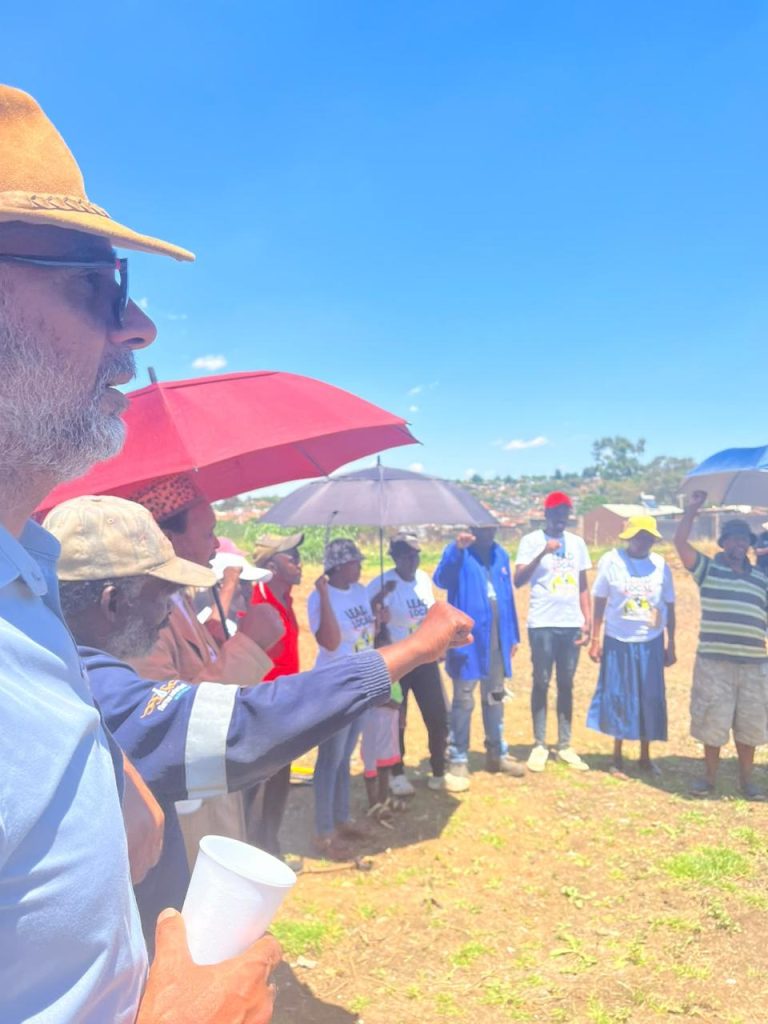
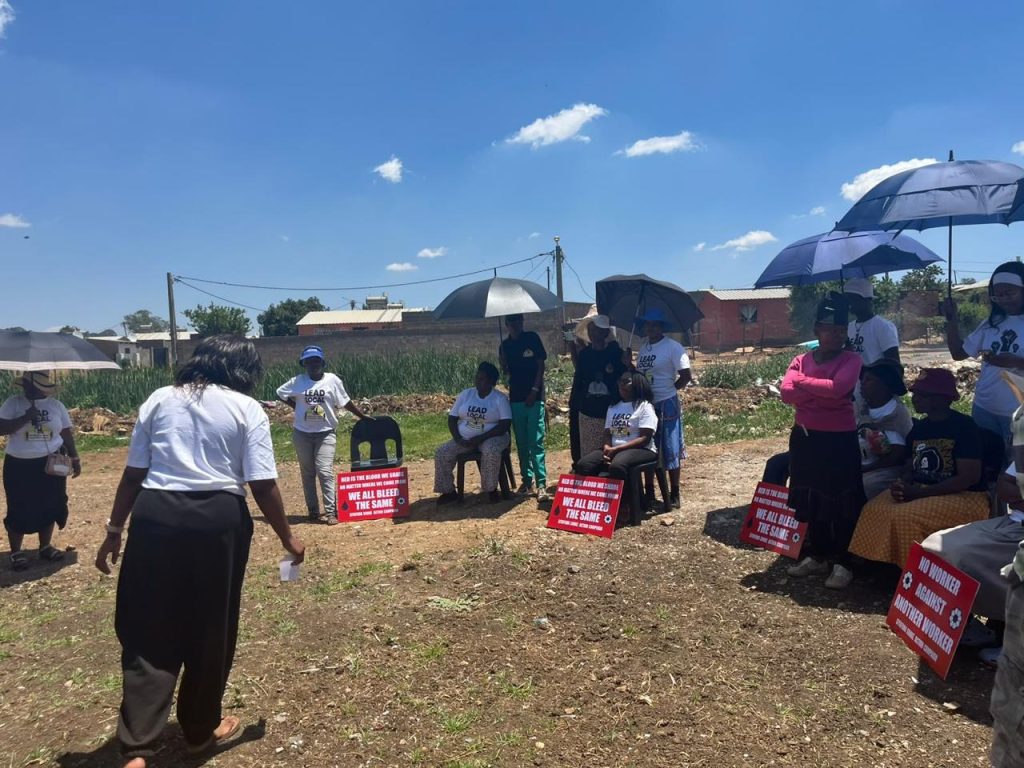
Our commitment to action
We ask the Department of Sport, Arts and Culture to build on its historic timely response to the 2008 violence, which produced a slate of films by South African filmmakers and brought them together with artists and representatives from the DRC, Mali, Botswana, Kenya and 11 other African countries to confront xenophobia through culture and storytelling. This long-term campaign included public campaigns against regional racism in the run-up to the 2010 FIFA World Cup, to ensure safety for local, regional and international visitors.
We invite the chairpersons and board of the National Film and Video Foundation and the KwaZulu-Natal Tourism and Film Authority to lead in supporting our initiatives and films. The violence is harming the province as a tourist and film destination, and our KZN film crews and supply chains are suffering.
Our cameras are our tools, and we will use them to challenge hatred and to tell stories of shared humanity. We will invite everyone in the creative-industry value chain into a constructive conversation about concrete next steps.
A call for social cohesion and solidarity
As an industry, working with the relevant state and public institutions, we have a responsibility to foster social cohesion among all who live in South Africa. For those of us committed to taking South African stories to the world, solidarity with the marginalised across our continent is not optional.
We will not be silent. In solidarity with communities across South Africa, our continent and the world, we will use our voices and platforms to defend dignity, inclusion, social justice and the constitutional values of South Africa.
*****
About Filmmakers Beyond Borders:
Filmmakers Beyond Borders is an independent and autonomous film unit and working association formed by South African-based film practitioners, activists, and members of civic organisations. Our mission is to leverage cinema as a vital medium to counteract false narratives, resist xenophobia and Afrophobia, and foster social justice, dialogue, and solidarity across subaltern and working-class communities.