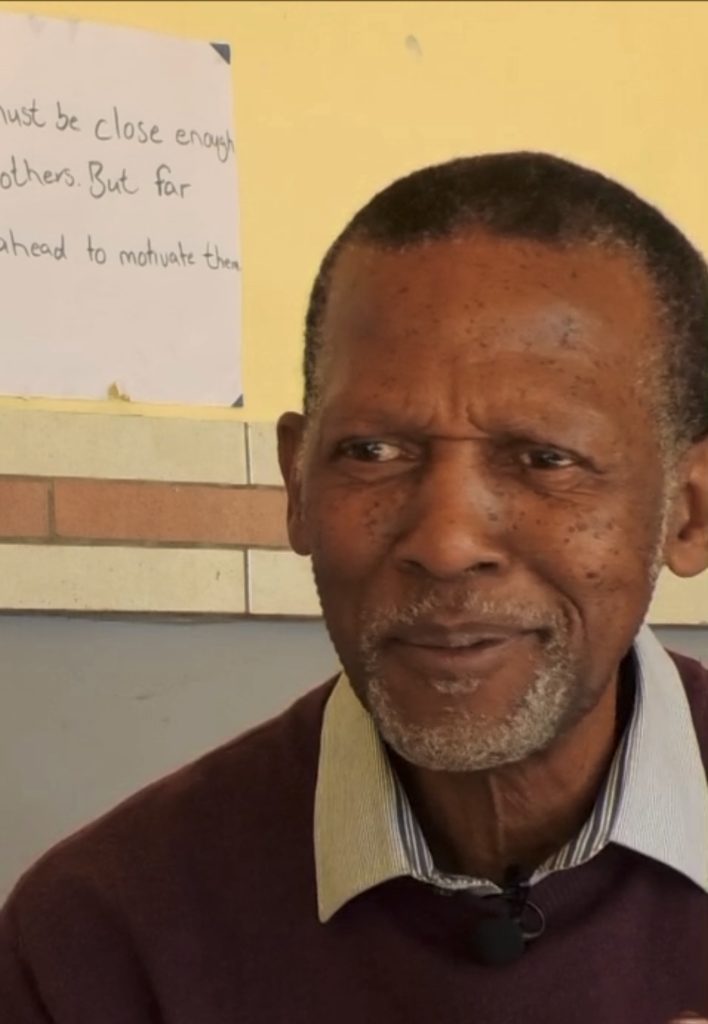
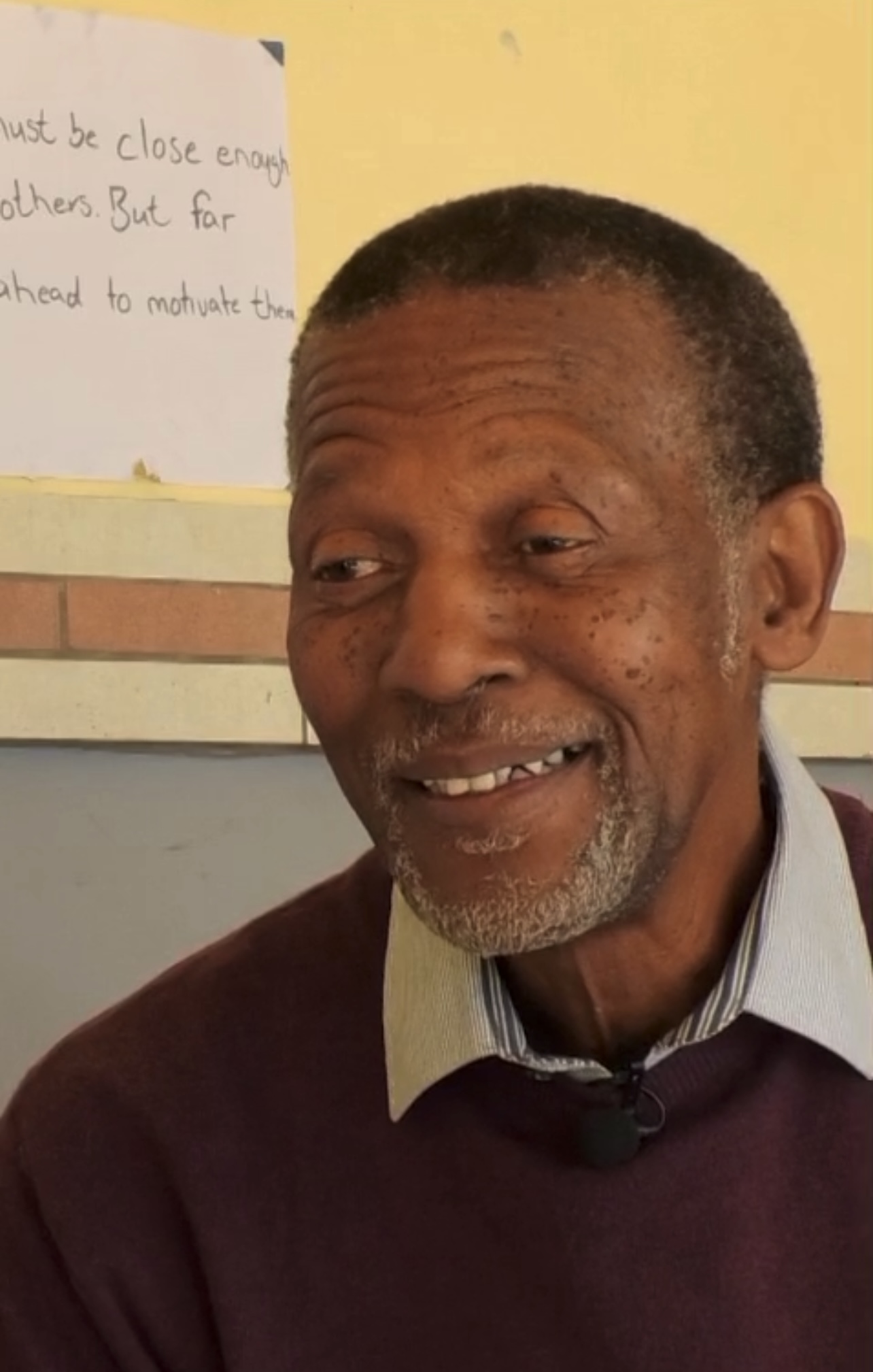
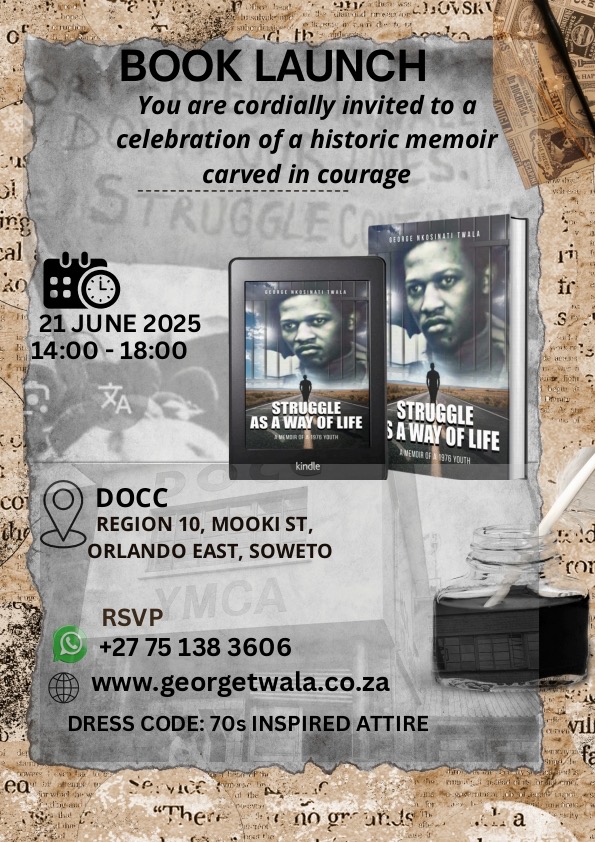
Ambassador George Nkosinathi Twala’s “The Struggle is a Way of Life” is a memoir of political resistance, personal sacrifice, and the silent toll of trauma. He is a freedom fighter, diplomat, writer, and one of the June 16 Soweto 11 trialists. A key participant in the 1976 Uprising, he later went into exile, receiving military training as a cadre of Umkhonto we Sizwe (MK), and went on to serve South Africa as a distinguished diplomat. His life embodies the arc of South Africa’s political transformation – from apartheid’s brutality to the promise and contradictions of democracy.
In the book, Ambassador Twala tells an unflinching story of a life intertwined with South Africa’s liberation struggle, and eventually serving his country as a diplomat in the democratic era – his journey is emblematic of an entire generation’s fight for freedom.
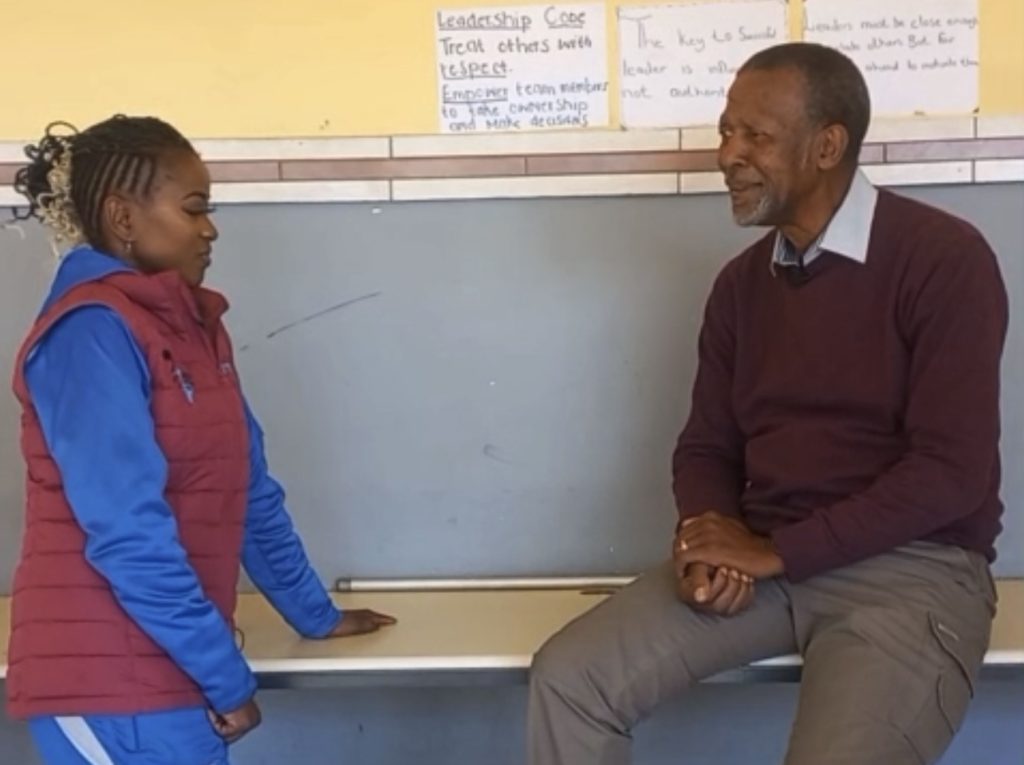
Yet beyond the celebrated milestones lies a more personal and painful narrative – one that confronts the hidden psychological cost of revolutionary life. In this candid memoir, Twala offers reflections on trauma, memory, and survival, casting light on the long shadow of Post-Traumatic Stress Disorder (PTSD), which continues to haunt many veterans of the struggle but is rarely discussed in public discourse.
With gripping honesty, moments of dark humour, and heartbreaking introspection, he explores life in the townships, the psychological weight of armed resistance, and the moral complexities of fighting for justice. His narrative calls into question the lingering emotional wounds of those who lived through history’s fire – and how they continue to navigate freedom in a country that has yet to fully heal.
Twala’s haunting reflection – “I have come to terms with the aren’t, yet I can’t help but wonder what else I could have been if I had been born in a different, free South Africa” – speaks to the paradox of liberation: victory achieved, but not without irreparable loss.
“The Struggle is a Way of Life” is not only a political memoir – it is a deeply human story of resilience. A critical addition to the literature on South Africa’s liberation history, it is also an urgent call for collective acknowledgement of the inner wars waged in the aftermath of public revolution.