
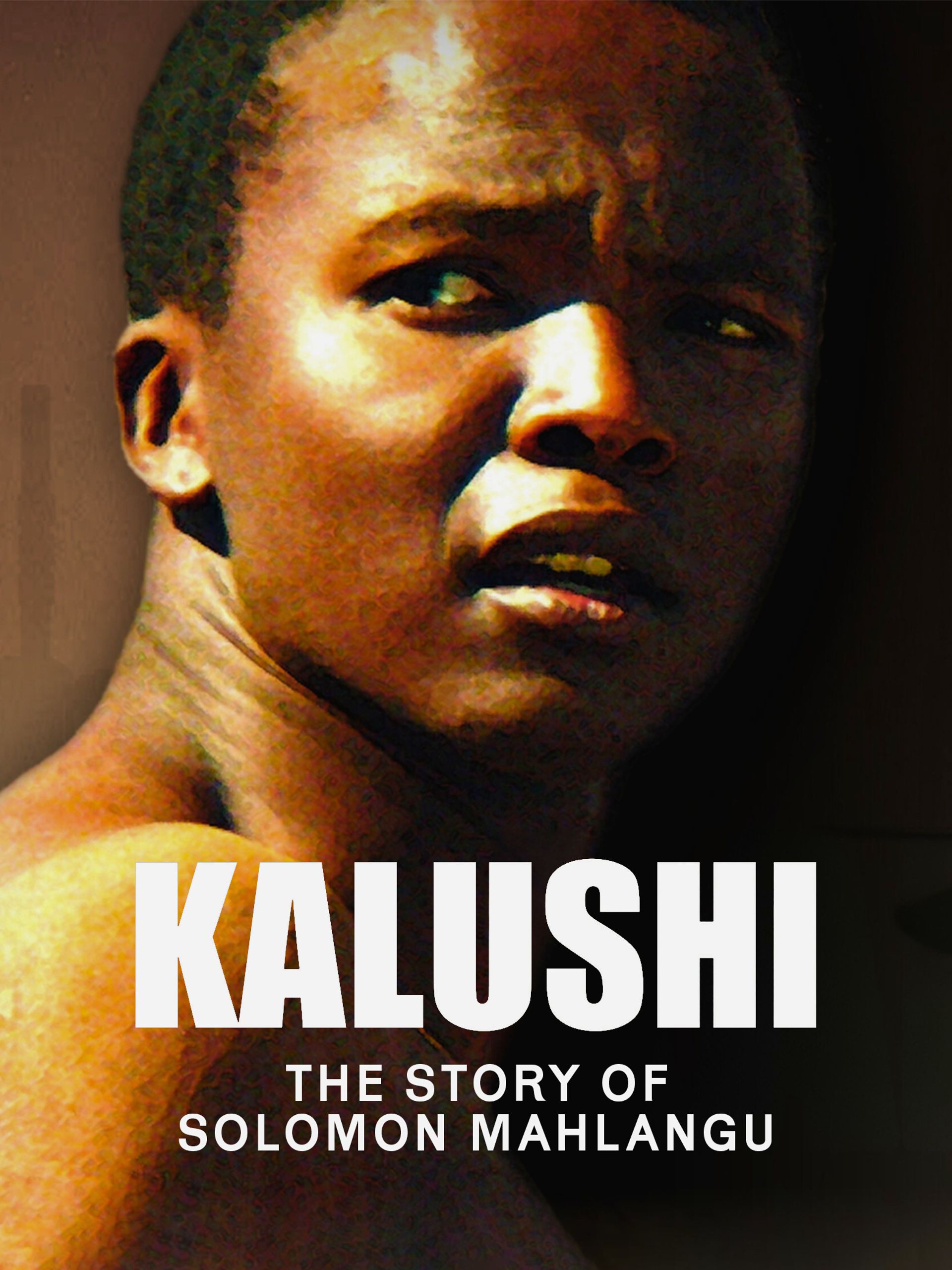
A landmark multimedia book will take readers behind the scenes of Kalushi – The Solomon Mahlangu Story, documenting the filmmaker’s journey from scriptwriting to production and featuring interviews with cast and crew, the complete screenplay, and QR-linked access to film footage, podcasts, and music. SAUL MOLOBI, Group CEO of Brandhill Africa™, shares his reflections on the project…
Brandhill Africa™ has reached an agreement with filmmaker Mandla Dube to publish a series of books documenting the making of his films, beginning with The Making of Kalushi – The Movie. The first publication will commemorate the 50th anniversary of the 16 June 1976 student uprisings, a defining moment in South Africa’s struggle against apartheid and an event that shaped the lives and political consciousness of a generation of young people.
Combining the filmmaker’s production journey, interviews with cast and crew, the complete screenplay and QR-linked access to film footage, podcasts and music, the publication will offer readers an immersive multimedia experience of the making of Kalushi.
The book is more than a conventional behind-the-scenes account of a film. It explores the creative, historical, and human processes involved in bringing the story of Solomon Mahlangu to the screen. It seeks to preserve the experiences, insights and reflections of the people whose collective effort transformed a powerful chapter of South African history into a cinematic narrative.
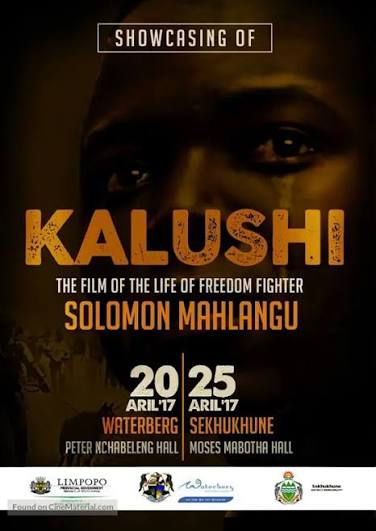
Released as Kalushi – The Solomon Mahlangu Story, the film tells the story of a young man whose life became inseparable from the liberation struggle. Mahlangu was among the generation of young South Africans whose political awakening was shaped by the brutality of apartheid and the events of 1976. Following the Soweto uprising, he left the country, joined the liberation movement, and received military training. He was subsequently arrested, tried, and executed by the apartheid regime in 1979.
His final words, and the circumstances surrounding his execution, have since become part of South Africa’s collective memory. Yet Solomon Mahlangu’s story is not only one of sacrifice and martyrdom. It is also a story about youth, conviction, courage, friendship, responsibility and the choices that confront individuals when history demands that they take a stand.
Beyond the camera: The making of a historical narrative
The Making of Kalushi – The Movie takes readers beyond the finished film to examine how this story was researched, interpreted, written, cast, rehearsed and eventually brought to life. It offers an opportunity to understand the many decisions, challenges, and creative negotiations often hidden from audiences when they watch a film.
At the centre of the book is Dube’s filmmaking journey and the collaborative process behind the film’s development. It explores the responsibility of adapting a historical figure’s life for the screen, particularly when the subject’s legacy belongs not only to his family and community but to an entire nation.
The publication examines the importance of research, historical context, location, production design, casting, and performance in creating a credible cinematic world. It reflects on the challenge of reconstructing a period with limited visual and recorded material, and the responsibility of making creative choices without losing sight of the historical person behind the character.
The production brought together a cast and crew whose contributions shaped the film’s identity. The cast included Thabo Rametsi, who portrayed Solomon Mahlangu; Thabo Malema; Welile Nzuza; Shika Budhoo; Louw Venter; Fumani Shilubana; Gcina Mhlophe; and Pearl Thusi.
The casting process itself becomes an important part of the narrative. Through the actors’ experiences, readers gain insight into the preparation, emotional investment, and personal interpretations required to portray people shaped by extraordinary historical circumstances.
One of the book’s significant contributions is its account of Thabo Rametsi’s journey into the role of Solomon Mahlangu. His experience began with an audition and developed into an immersive process of research, rehearsal, travel, and personal discovery. His account reveals how an actor moves beyond learning lines and performing scenes to developing an intimate relationship with a character.
Rametsi recounts meeting members of Mahlangu’s family, including his elder brother, Chief Lucas, visiting the young freedom fighter’s grave and traveling to places associated with his childhood and early life. These encounters offered him valuable insights into the person behind the historical image. They also confronted him with the limitations of reconstructing a life through memories, photographs and the recollections of those who knew the individual.
In the absence of extensive recordings of Solomon Mahlangu, Rametsi had to find ways of understanding his subject beyond the available documentation. He drew on conversations with people who had known Mahlangu, researched other young freedom fighters, and studied the period’s political and social circumstances. His account illustrates the delicate balance between historical responsibility and the creative freedom an actor needs.
The book also explores the relationships that developed among the cast during rehearsals and production. These relationships were not merely professional. They became part of the film’s emotional architecture, helping the actors build the chemistry and shared understanding needed to portray people whose lives were connected by a common struggle.
The human stories behind the production
A film is ultimately the product of many individual contributions, and the book recognises the work of the people behind the camera as much as those in front of it.
It reflects on the role of cinematography, editing, costume, production design, lighting and other technical disciplines in recreating the world of the 1970s. It also captures the practical realities of filmmaking: the pressures of production schedules, the unpredictability of working on location, the physical demands placed on actors and crew, and the financial challenges that can interrupt even the most carefully planned projects.
Some of the most compelling passages emerge from the unexpected experiences that accompanied the production. Rametsi recounts the emotional and physical demands of particular scenes, including the torture sequences, as well as the accident that resulted in Thabo Malema sustaining a leg injury. He also reflects on shooting scenes in Mozambique, the creative work that made the locations convincing, and the performances that left a lasting impression on him.
These accounts reveal that filmmaking is not simply about directing a camera towards a subject. It is a demanding process of collaboration, problem-solving, imagination and endurance. The finished product may appear seamless to an audience, but uncertainty, compromise, difficult decisions and moments of extraordinary creative achievement often mark the journey towards that result.
The book also offers insight into Dube’s approach to working with actors and his commitment to preparing them for the emotional and historical demands of their roles. The director-actor relationship is particularly important when working with a subject such as Solomon Mahlangu, where the performance must convey both the humanity of the individual and the weight of his historical significance.
From scriptwriting to screen: The book’s structure
The Making of Kalushi – The Movie takes readers on a comprehensive journey through the filmmaking process, from the earliest stages of scriptwriting to the production of the movie itself. Rather than offering a conventional account of how the film was made, the publication opens up the creative process, allowing readers to engage with the different stages, decisions and collaborations that shaped the final production.
At its heart is Mandla Dube’s journey: the development of the screenplay, the research and creative considerations that informed the narrative, the casting process, rehearsals, production preparations and the actual filming. It traces the evolution of an idea into a completed cinematic work, offering an intimate account of the artistic and practical challenges involved in bringing Mahlangu’s story to the screen.
The book will also feature interviews with cast and crew members, offering different perspectives on the production. These conversations will allow readers to hear directly from the people who inhabited the characters, interpreted the story, and worked behind the scenes to create the film. Their reflections will illuminate the personal experiences, professional contributions, and collaborative relationships that shaped Kalushi.
In a particularly valuable addition, the publication will include the movie’s full screenplay. This will allow readers to engage with the original written work and consider how the script was translated into performances, images, sound and the cinematic language of the finished film. It will also make the book a useful resource for aspiring screenwriters, filmmakers, actors, film students and researchers interested in the craft of adapting historical narratives for cinema.
The inclusion of the complete screenplay is especially significant because it allows readers to examine the relationship between the written story and its eventual interpretation on screen. It opens up a conversation about the choices filmmakers make when transforming a script into a visual experience, and how the contributions of actors and other creative professionals influence the final work.
A multimedia publishing experience
One distinctive feature of The Making of Kalushi – The Movie is its multimedia approach. The intention is to extend the reading experience beyond the printed page, transforming the book into an interactive platform through which readers can access audiovisual material connected to the film.
QR codes embedded throughout the publication will link readers to selected showreels and video material from the movie on YouTube, as well as podcasts featuring interviews that Dube conducted about the film. These digital links will let readers move between the written account, the filmmaker’s reflections, and the production’s visual material.
The multimedia experience will also bring the film’s music into the book. Readers can access the original score composed by Rashid Lanie, alongside selected soundtrack recordings. Among these is The Meters (also known as #MarchFreestyle17), performed by South African rapper Reason, with an official music video released in March 2017.
Including the score and soundtrack recognizes the important role music plays in shaping a film’s emotional and dramatic architecture. Rashid Lanie’s original score forms part of the film’s sonic identity, while the soundtrack contributes another layer to its cultural and artistic expression. By making this music accessible through QR codes, the publication invites readers to listen as they read, experiencing the relationship between narrative, image and sound.
This approach reflects the changing nature of publishing and the possibilities created by digital technologies. A book no longer has to be a self-contained printed object. It can become a gateway to a wider cultural experience, connecting text with film, audio, music and conversations. In this instance, readers will not only learn about the making of Kalushi but also revisit aspects of the film and listen to the voices and music that helped shape it.
Through this combination of publishing, film, podcasts, music and digital access, The Making of Kalushi – The Movie seeks to offer something more expansive than a conventional film companion book. It is conceived as a multimedia platform and a living archive of the creative process, preserving the knowledge and experiences generated during the making of the film.
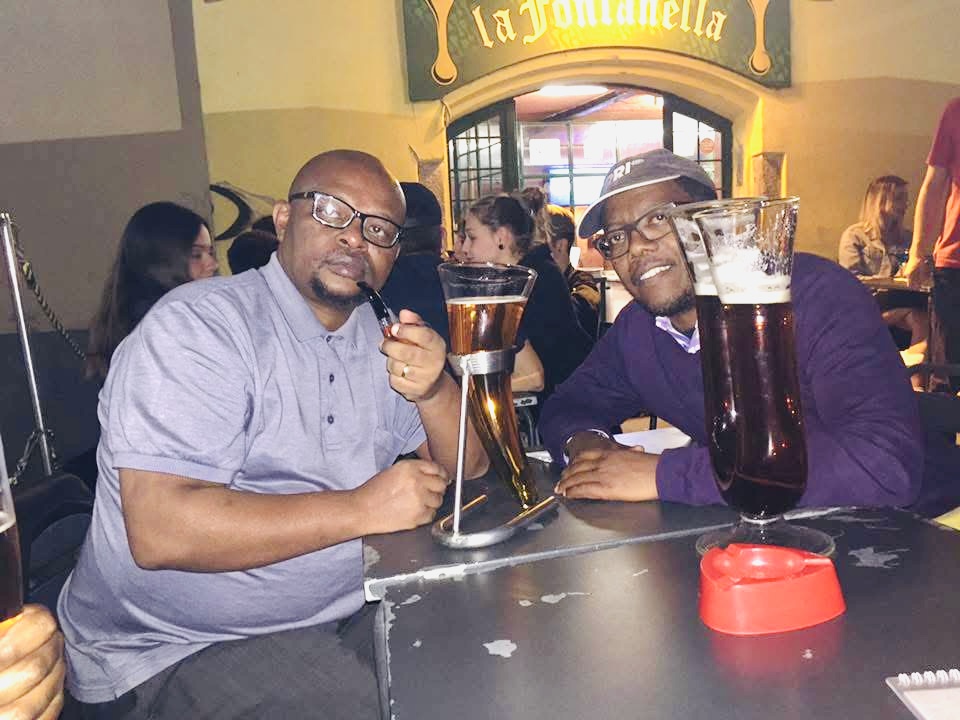
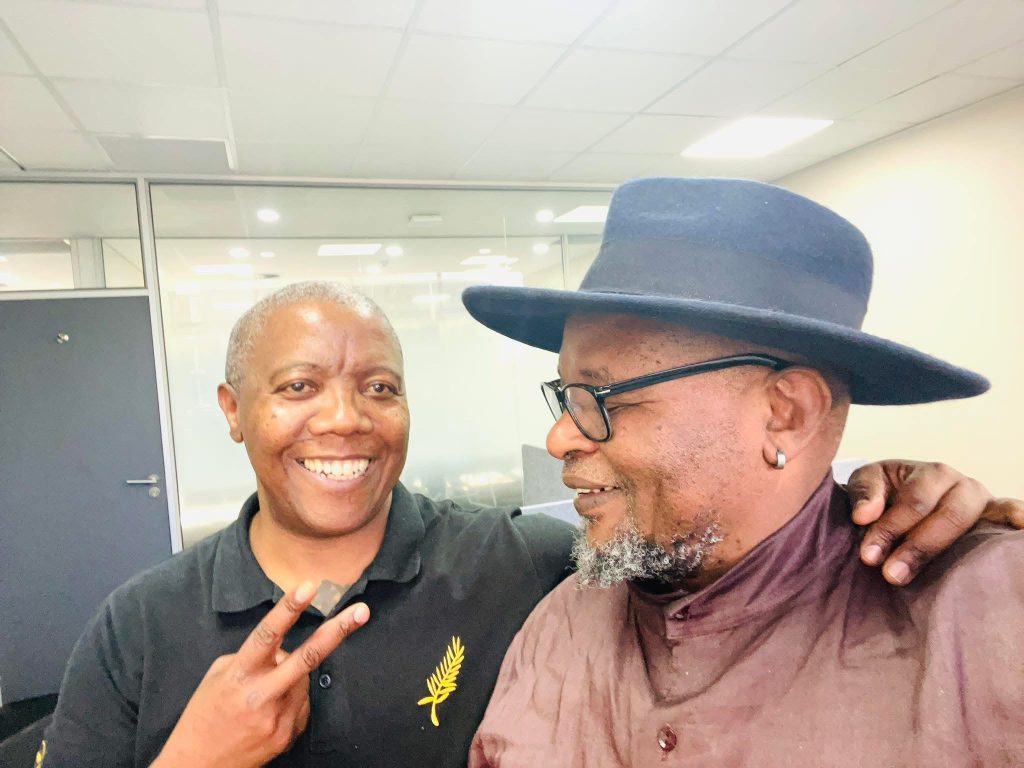
*** Mandla visiting Saul in Milan in 2014 during the latter’s diplomatic posting (2012-2016) as the South African Consul-General in Milan ***
Preserving the stories behind African cinema
The publishing partnership between Brandhill Africa and Dube is conceived as a longer-term initiative that will extend beyond Kalushi. The intention is to produce books on Dube’s other films, creating a body of work that documents the creative processes, production experiences and stories behind African cinema.
This initiative recognises that films are important cultural artefacts, but the knowledge generated during their making is rarely documented in sufficient depth. The experiences of directors, writers, actors, cinematographers, editors, producers and other creative professionals often disappear into production archives or remain confined to interviews and informal conversations.
By translating these experiences into books, Brandhill Africa™ and Dube seek to preserve an important part of the continent’s creative and intellectual heritage. The publications will give readers, aspiring filmmakers, film students, researchers, and cinema enthusiasts access to the thinking and practical experiences that inform filmmaking.
They will also contribute to a broader conversation about African storytelling: who tells our stories, how those stories are interpreted, whose perspectives shape their representation, and how African filmmakers participate in the global circulation of images and narratives about the continent.
This is particularly significant at a time when African creative industries are increasingly recognised as contributors to economic development, cultural diplomacy and the shaping of the continent’s international image. Film is not merely entertainment. It is also a vehicle through which societies interpret their past, negotiate their identities and imagine their futures.
For Brandhill Africa™, the initiative aligns with its broader commitment to advancing African narratives, strengthening the continent’s cultural industries, and creating platforms for African stories to travel beyond their places of origin. The books will serve as more than companion publications to individual films. They will contribute to an archive of African creative practice, documenting the knowledge, craft and experiences that underpin the continent’s film industry.
Digital release and print launch
The multimedia concept will be complemented by a publishing strategy that makes the book accessible across different formats and platforms. The e-book edition is scheduled for release in December 2026 and will be available through online publishing and distribution platforms. This will enable readers in South Africa and internationally to access the publication, including those who may not have immediate access to a physical copy.
The hardcopy edition is planned for launch during the first quarter of 2027. The physical publication will bring together the filmmaker, cast and crew, publishing partners, members of the Mahlangu family, the creative industries, and audiences who continue to value the story’s historical significance.
The two formats are intended to complement one another. The e-book will offer digital accessibility and convenient integration of multimedia links, while the hardcopy will give readers a tangible publication to keep, consult and share. Together, they will extend the film’s life beyond the screen and create a lasting record of its making.
The initiative also reflects an understanding that publishing must respond to how contemporary audiences consume stories. By bringing together the permanence of the printed word and the possibilities of digital media, the project seeks to make the book accessible to different generations and audiences, while creating new ways of engaging with South African cinema.
A fitting tribute to the generation of 1976
The timing of the first publication adds historical significance to the project. In 2026, South Africa marks 50 years since the 16 June 1976 student uprisings, when schoolchildren in Soweto took to the streets to protest against the apartheid government’s education policies, including the imposition of Afrikaans as a medium of instruction.
The uprising became a watershed in the country’s liberation struggle. Its impact extended far beyond Soweto, inspiring resistance across South Africa and contributing to the political mobilization of young people who later joined liberation movements, including those who went into exile to receive military and political training.
Solomon Mahlangu belonged to this generation. His story reflects the difficult choices young people made who believed freedom required personal sacrifice. His execution at the age of 23 remains one of the most painful reminders of the brutality of the apartheid state.
Publishing The Making of Kalushi – The Movie in the year of the 50th anniversary is therefore both a tribute and an act of historical preservation. It creates an opportunity to revisit the events that shaped the generation of 1976 while examining how filmmakers interpret and communicate that history to audiences across generations.
For younger readers, the book may provide a window into a period they know largely through textbooks, commemorations, and the stories of older generations. For those who lived through the struggle, it offers another opportunity to engage with the memory of a generation whose courage helped change the course of South African history.
Importantly, the book does not seek to replace the historical record. Rather, it complements it by documenting the creative process through which a filmmaker and his collaborators interpreted that history for the screen. It invites readers to consider the relationship between historical fact, artistic interpretation and the responsibility that comes with telling the stories of real people.
Documenting the making of African stories
The partnership between Brandhill Africa™ and Dube is an investment in documenting and preserving African creative work. It recognizes that a film’s value extends beyond its release and reception. It also values recording the journey that brought it into existence: the ideas, the research, the people, the struggles, the creative breakthroughs, and the lessons that can inform future generations of filmmakers.
In the case of Kalushi, the publication offers an opportunity to celebrate not only Mahlangu’s story but also the people who undertook the responsibility of telling it. It acknowledges the filmmaker’s vision, the actors’ interpretations, the technical teams’ craftsmanship, and the many individuals whose contributions helped bring the story to life.
Ultimately, The Making of Kalushi – The Movie is about making a film, but it is also about making memory. It reminds us that historical narratives do not preserve themselves. They require people willing to research them, interpret them, challenge silences, and find creative ways of passing them on.
Fifty years after the young people of 1976 took to the streets, Mahlangu’s story still speaks to South Africa. Through this publication, the story behind the film will also be preserved, ensuring that future generations can appreciate not only what was told on screen, but how and why it was told.
The camera may have stopped rolling, but the story continues. The Making of Kalushi – The Movie is the first in a planned series of books documenting the making of Mandla Dube’s films, published in partnership with Brandhill Africa. The e-book is scheduled for release in December 2026, with the hardcopy edition launching in the first quarter of 2027.