
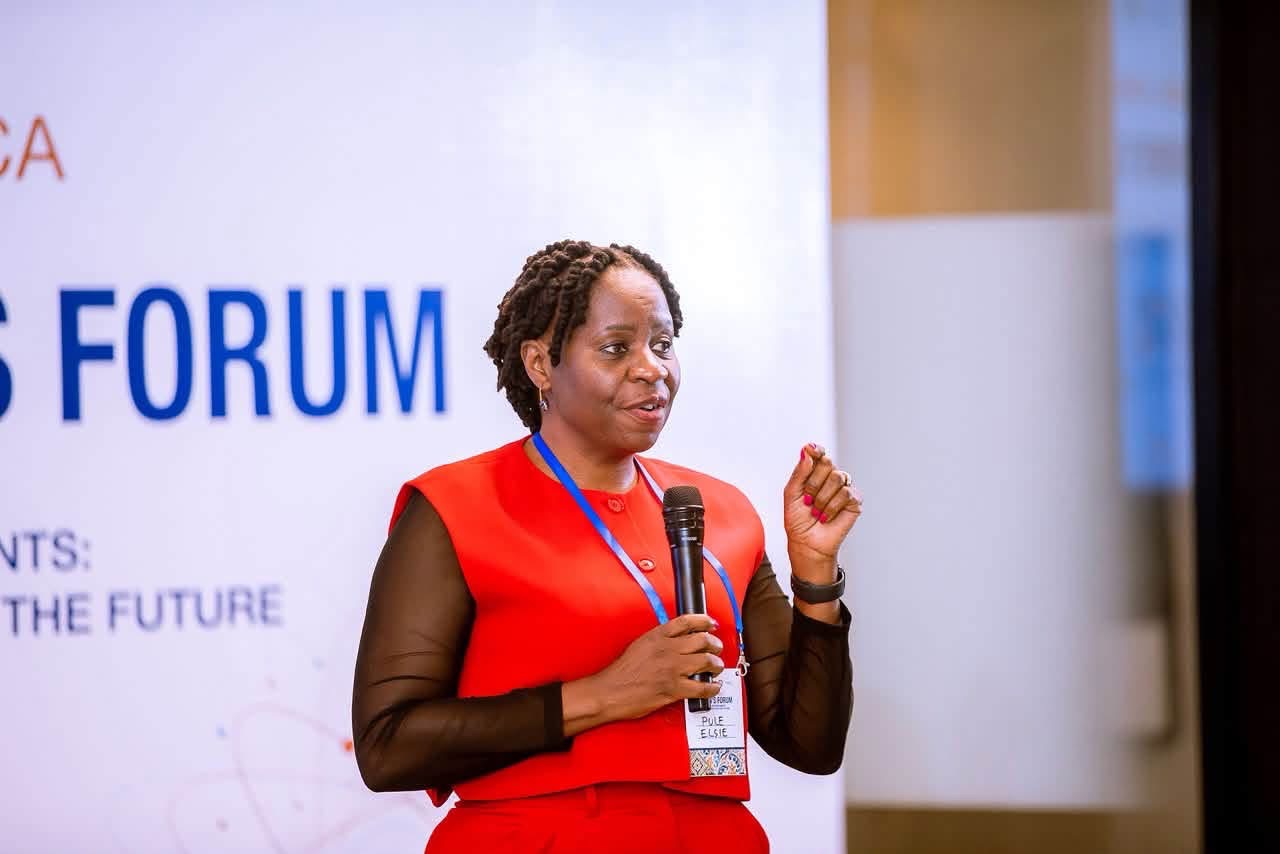
I was honoured to participate in this prestigious event and deliver the opening remarks at the Russia-Africa Women’s Forum, “Dialogue of Continents: Nuclear Energy for the Future.”
In my remarks, I discussed Africa’s nuclear ambitions and plans, highlighting how technologically advanced nations such as Russia could share their experience and expertise with African countries. I emphasised the need for Africa to dream big about nuclear energy and aspire to develop large-scale nuclear power plants beyond Small Modular Reactors (SMRs).
Egypt is currently constructing its first Nuclear Power Plant (NPP), with a planned capacity of 4,800 MW. Ghana and Kenya are actively developing the necessary infrastructure to launch their nuclear programmes. Rwanda is making significant strides in nuclear power, aiming to generate 60–70% of its electricity from nuclear energy, with SMRs expected to be operational by the early 2030s. Tanzania is also advancing its nuclear sector, with uranium mining already underway. South Africa, meanwhile, is progressing with its nuclear programme, incorporating 5,200 MW of nuclear power into its Integrated Resource Plan.
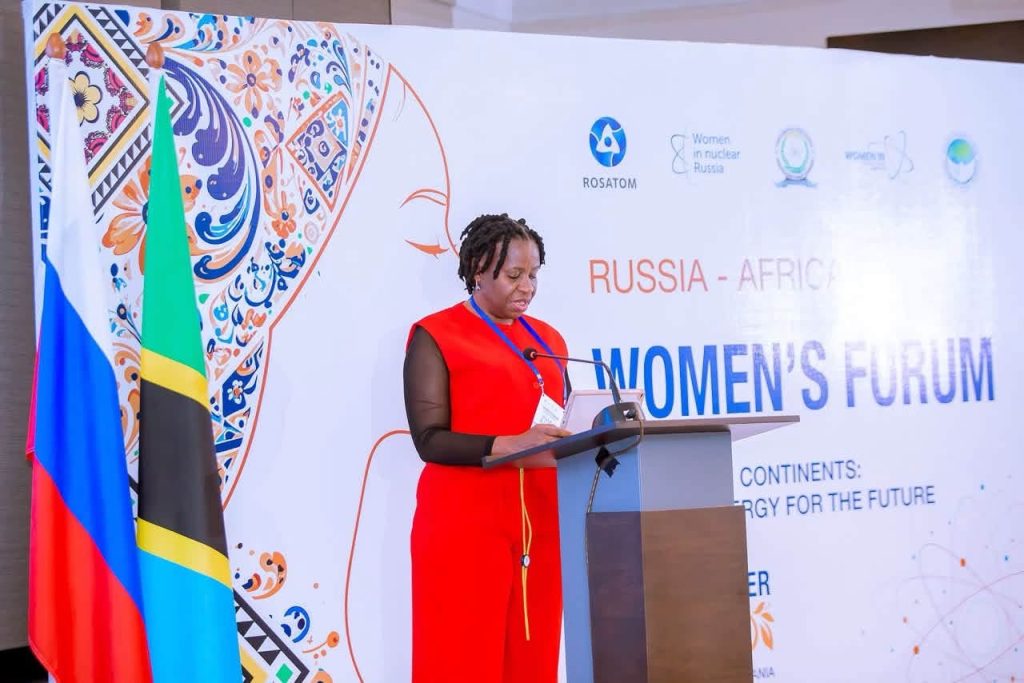
Given these ambitious nuclear plans, women must be at the centre of Africa’s nuclear revolution, rather than relegated to the sidelines.
This raises a crucial question: How can governments, the private sector, institutions of higher learning, civil society, and the international community collaborate to advance gender equality in nuclear technology?
The answer lies in practical action: building skills, creating pathways into the sector, supporting women’s leadership, and connecting African professionals to international networks and opportunities.
WiN Russia’s partnership with WiN Africa — which brings together professional communities from 21 African countries — and national WiN chapters is therefore of strategic significance. Together, these networks can translate dialogue into practical action, particularly in skills development, through four key initiatives.
****
Elsie Pule is the Head Coordinator: BRICS Nuclear Platform.