
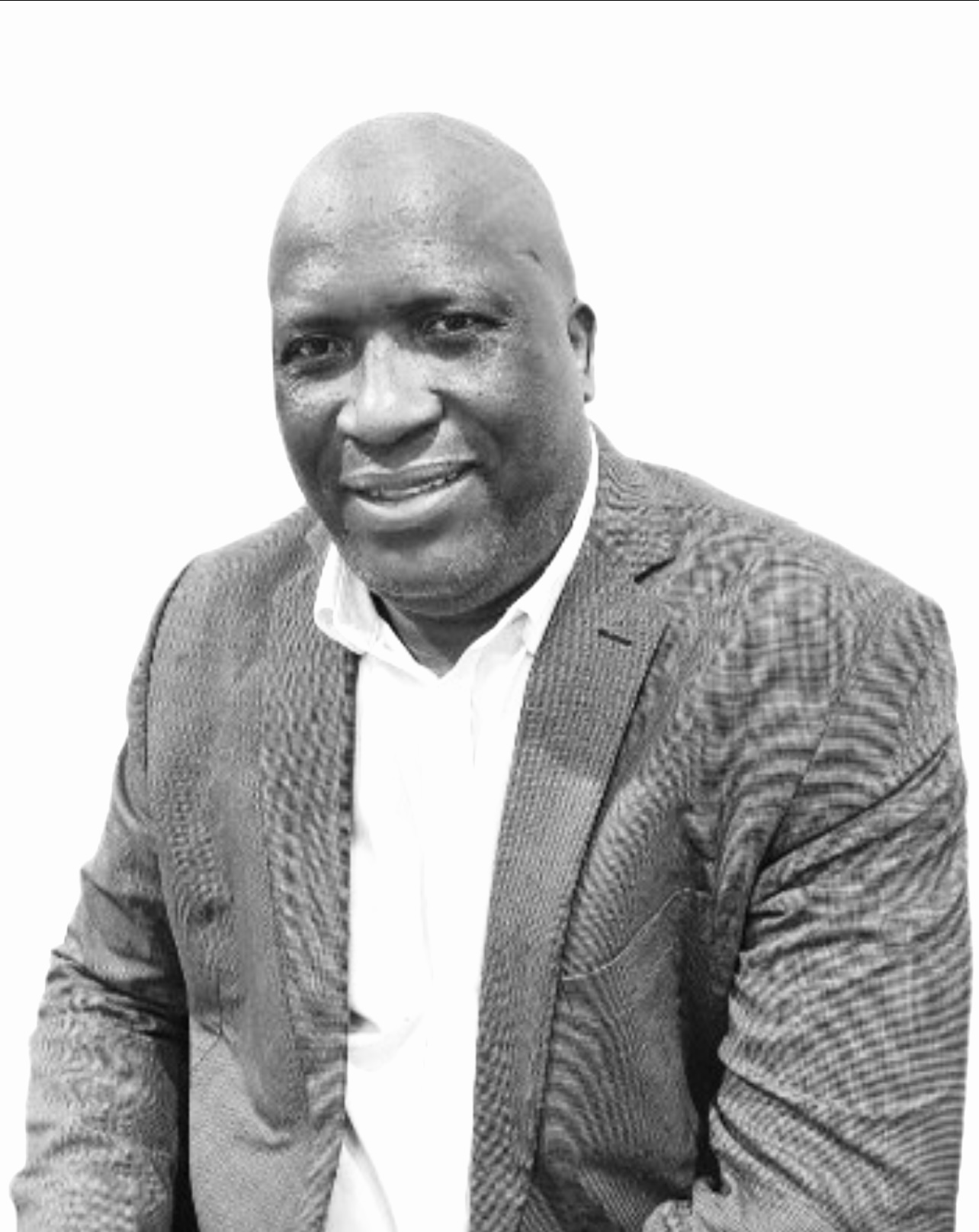
By Ambassador Phatse Justice Piitso
Contemporary sages and intellectual pioneers of philosophy, have transcribed the tapestry of the unwavering philanthropism by the Cuban revolution, embracing its esteemed revolutionary character of highest values of human solidarity and internationalism. The Cuban revolution is unquestionably, a paradigm of human struggles, awakening solidarity amongst the world community of nations, building a peaceful future for humanity.
We pay tribute to its felicity, redefining generous pathways of the present epoch of human civilisation, inspired by tremendous milestone achievements, in the frontiers of human solidarity and internationalism. It is, undoubtedly, a storehouse of unequalled chapter of human courage and vicissitudes, placing virtues of human kindness and brotherhood above the complexities of our living horizons.
During his first visit to the Republic of Cuba, upon his release from the apartheid prison, on the occasion of a solemn ceremony, celebrating the 38th anniversary of Moncada rebellion, the father of the South African nation, President Nelson Mandela, said the following profound words of appreciation to the generosity of the Cuban revolution:
“The overwhelming defeat of the racist army at Cuito Cuanavalle provided the possibility for Angola to enjoy peace and consolidate its own sovereignty. The defeat of the racist army, allowed the struggling people of Namibia to finally win their independence.
“The decisive defeat of the apartheid aggressors broke the myth of the invincibility of the white oppressors. The defeat of the apartheid army, was an inspiration to the struggling people inside South Africa.
“Without the defeat at Cuito Cuanavalle, our organisations would not have been unbanned. The defeat of the racist army at Cuito Cuanavalle, has made it possible for me to be here today.
“Cuito Cuanavalle was a milestone in the history of the struggle for Southern African liberation. Cuito Cuanavale has been a turning point, in the struggle to free the continent and our country from the scourge of apartheid.”
With utmost humility, the Commander in Chief of the Cuban revolution, Fidel Castro, responded to President Mandela with the follow words:
“It takes 13 hours to fly to Angola, not including stopovers. It takes 13-14 hours to fly to Luanda from Havana, and Cuito Cuanavalle took place in a remote area in Angola. It took place more than 1000 km southeast of Luanda. There, our country had to accept the challenge.
“As I was telling Comrade Mandela, the revolution risked it all in that action, even its very existence. It dared to engage in a large-scale battle against one of the most powerful and wealthiest countries in the Third World, a country with significant industrial and technological development and armed to the teeth.
“We faced this country, so distant from our small country, with our resources and weapons. We even took the risk of weakening our defences, and we weakened our defences and used our ships – solely and exclusively our ships – and our means to create that correlation of forces that would make our fighting a success.
“I do not know, if any war was ever waged from such a distance between such a small country and a powerful apparatus like that of the South African racists. We risked everything on that occasion.”
During his official visit to the Republic of Venezuela in 1975, former Secretary of State of the United States of America, Henry Kissinger, confided to President Carlos Andres Peres, that the US intelligence services, could not uncover the movement of the thousands of Cuban troops from Havana to Luanda. The United States only knew of the military operation, long after many of the Cuban combatants, have already arrived in the remote African state of the Republic of Angola.
Against the backdrop of intensifying geostrategic ideological divergence of the cold war period, the aircrafts secretly carrying troops had to refuel on numerous stop-overs, before arriving at the final destination of the former colonial Portuguese state of Angola. The crew had to embark on a long odious journey, through strong hostile storms of the Atlantic ocean, refuelling at Barbados, Guinea Bissau, Congo Brazzaville before landing in Luanda.
The Island of Barbados – renowned as the birthplace of the British slave society, “the jewel in the Crown” of the Caribbean – granted the humanitarian military expedition by the Cuban revolution, disguised as a tourist route from Havana to Africa, the rights to stop-over to refuel within its territorial jurisdiction. It was only after the American intelligence services uncovered the operation, that President Gerald Ford, exerted tremendous pressure, threatening the Island with financial and economic sanctions, forcing the Cuban government to consider using alternative routes.
Over the period spanning three decades, Cuban aircrafts and warships carried thousands of troops and weaponry to Angola, joining the heroic struggles of the African people, against imperialism and colonial oppression and exploitation. Cuba became the only country in the history of our struggles, to have paid back the debt to humanity.
The fraternity of the bonds of solidarity between the Cuban revolution and MPLA, has its footmark traced as early as the year 1965, when the leader of the oldest national liberation movement in Angola, Agostinho Neto, met with the leadership of the Cuban revolution, led by Enersto Che Guevara, during their first expedition to the African continent in Congo Brazzaville. The interaction saw intensified efforts by the Cuban revolution, offering a gesture of both human and material support, not only to the people of Angola, but many other liberation movements, for the freedom and dignity of the people of the African continent.
Since its unprecedented victory against the dictatorship of Batista in 1959, the revolution has sanctified itself to the fundamental revolutionary principles of the achievement of a just peaceful future world of humanity. Distinguishing its unequivocal commitment to the noble struggles of human solidarity and internationalism.
The Commander-in-Chief of the revolution, Fidel Castro, taught the people of his newly-born democratic state that international solidarity and internationalism is about paying back debt to humanity. Therefore making his revolutionary state, the first in the history of the struggles of human society, to have contributed towards the humane gesture, of paying back the atrocities committed by the European colonial powers against the African people.
Involving her own men and women in the struggles for the freedom of the people of the African continent, was about thanking the African slave people, their bravery, resilience and tormenting exploitation endured in the hands of the European colonial powers, building the economic infrastructure in the Latin American and European hemispheres. These are incalculable acts of a nation inspired by the highest ideals, that freedom is not only about the destiny of individual nation states, but the freedom of all of humanity.
The indestructible bonds of friendship between the Cuban and the African people, stem from centuries of horrendous and slanderous humiliation and sufferings, of millions of the indigenous people of the Americas exterminated in their own land and African people imposed into slavery by European imperialism. Millions died in the plantations, mines and factories selling their free labour as slaves to the European masters.
The indomitable military operation, which saw the presence of the combatants of the Cuban revolution, in Southern African region, especially in Angola, from the year 1975 to the year 1990, was named after a heroic slave woman of the Angolan descent, Carlotta Lucumi, who led ferocious rebellion against the slave masters in the sugar plantations of the province of Matanzas, Cuba. The slave people stood in solidarity with each other, waging wars for their own freedom, sparking the movement for the oppressed in the entire region of the Caribbean archipelago.
Operation Carlotta had a far-reaching political significance, a gesture appreciating the historical contribution of the slave people, to political and socio-economic development to the Cuban nation, in memory of the gallantry slave woman, who led the first rebellion. The future generations of mankind will take inspiration from her tenacity, courage and determination to the freedom of our people.
The military expedition was a joint collaboration of the Southern African liberation movements – African National Congress (ANC), South West African Peoples Organisation (SWAPO), Frente de Libertação de Moçambique/Mozambique Liberation Front (FRELIMO), Zimbabwe African National Unity- Patriotic Front (ZANU-PF), Movimento Popular de Libertação de Angola/People’s Movement for the Liberation of Angola (MPLA) and Cuba and the former Soviet Union – whose collective efforts saw the defeat of the apartheid South Africa and its US sponsored allies during the battle of Cuito Cuanavalle, paving way for the independence of Namibia and South Africa. The enormous efforts of such a small but a titanic nation state, defeating one of the most sophisticated military regimes in the world, was unheard in the annals of history books.
During his address to the first Congress of MPLA held in Angola in 1977, the Deputy General Secretary of the Cuban Communist Party, Commander Raul Castro, had to say the following profound revolutionary words:
“The day our presence here is no longer necessary, only the people of Angola will be able to issue that order.
And when the Cubans here for that purpose withdraw from Angola, we will take with us neither oil, nor diamonds, nor coffee, nor anything else. All that we will take with us is the indestructible friendship of this great people, and the remains of our dead.”
Great feats of solidarity and internationalism by the revolution, declaring its socialist character at the back yard of the American empire, building on future communist state led by peasants and workers, propelled the Yankee forces, imposing unilateral economic sanctions against the people of Cuba. The economic blockade has caused a devastating damage to the economy and the general welfare of the Cuban population.
The stranglehold of the American and European embargo continues to undermine the determination of the Cuban people to decide on their destiny and therefore the sovereignty and territorial independence of the democratic state. The US government is fuelling regime change, sponsoring various mercenaries to engage on illegal activities of economic sabotage, hoping to instigate the majority of the people against the revolutionary government.
But the Cuban people continue to be vigilant in the face of adversity, taking the exemplary acts of heroism of Carlotta, placing her unending bravery, acts of courage and resoluteness, and her rebelliousness, as part of the heritage of the culture and traditions of the revolutionary struggles of the people. They are tempered by the circumstances of our mother nature, instilling hope to the hopeless and many of the guardians of our struggles, volunteering to perish they own lives, for the freedom of humanity.
Drawing on a boxing metaphor, Castro turned the battle of Cuito Cuanavalle into a trap to the racist apartheid army. He said the following about the strategic manoeuvre to outshine the South African Defence Force:
“By going there, we placed ourselves in the lion jaws. We accepted the challenge, and from the very moment, we gather our forces to attack in another direction, like a boxer who with his left hand blocks the blow and with his right strikes!”
In the words of apostle Jose Marti, “like a rolling hill, fair ideas reach their objectives, despite all obstacles and barriers, it may be impossible to speed or hinder them, but impossible to stop them”. The Cuban revolution continues to be the cradle of human solidarity and internationalism.
****
Ambassador Phatse Justice Piitso is a member of the African National Congress and he writes this article in his personal capacity.