
Jambo Africa Online’s Senior Editorial Correspondent, Francois Fouche, reviews the latest critique of globalisation.
For decades, globalisation and the benefits of a multilateral trading system have produced positive economic outcomes for Europe. Between 2000 and 2017 international trade helped double the European Union’s GDP to $14.7 trillion and supported 36 million European jobs. But Europe’s openness is a double-edged sword that’s also left the EU more vulnerable to global shocks, like the Covid-19 pandemic.
Now, following the sharpest economic downturn since the Great Depression, even Europe’s most avid globalists are beginning to hedge their bets.
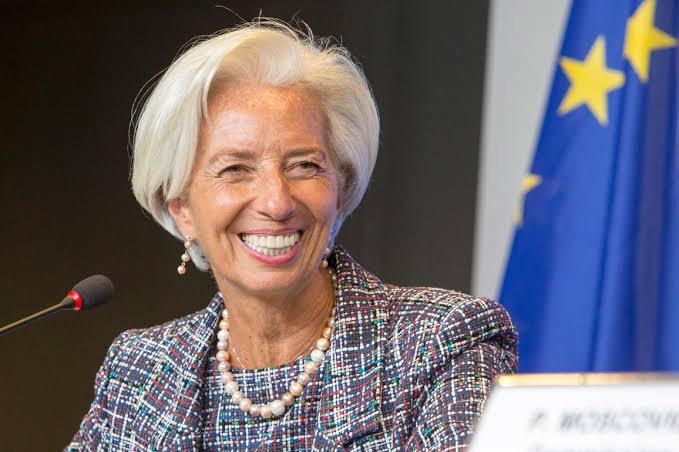
“Europe must adapt,” European Central Bank President Christine Lagarde recently said.
“That means using Europe’s economic weight to support reciprocated trade openness globally, while strengthening its own domestic demand to insure against a more volatile global economy.”
Hitting Exports
An ECB analysis found that euro-area goods exports would have been almost 7% higher in H1 2021 were it not for pandemic-induced supply bottlenecks.
For the rest of the world, the figure was just 2.3%.
So a different view in Europe is warranted, she said, because the economic logic of the pre-pandemic era is being challenged by a series of global paradigm shifts.
The first is the re-emergence of trade protectionism in the U.S., which has led some to question an economic order where America remains the undisputed leader.
At the same time, the decline in trade growth following the global financial crisis has resulted in fewer gains for open economies like the EU.
Just-in-Time
There are various other indicators emerging in the post-pandemic global economy, including:
- The vulnerability of just-in-time supply chains to systemic shocks
- The prioritisation of security over efficiency in U.S.-China trade relations
- The frequency of ecological shocks due to climate change
- A greater push towards supply chain diversification
In response, Lagarde advocated three specific courses of action:
- First, EU policy makers must target growth sectors like digital services and the green economy while protecting against risk “in areas where our vulnerabilities are excessive.”
- Secondly, fiscal policy support should remain “until the recovery is more mature” and then shift towards a targeted action plan that advances structural changes “rather than preserving sunset sectors.”
- Lastly, monetary policy should continue supporting the economy in order to “durably stabilise” inflation at a 2% inflation target over the medium term.
Lagarde said these maneuvers are critical for Europe to “sow the seeds for a future in which globalisation becomes a more unpredictable terrain.”
“The benefits of trade and diversifying demand are still there to be had,” Lagarde said. “But they are facing headwinds that Europe cannot ignore.”
Source: Bloomberg. This article first appeared here.