
By Saul Molobi
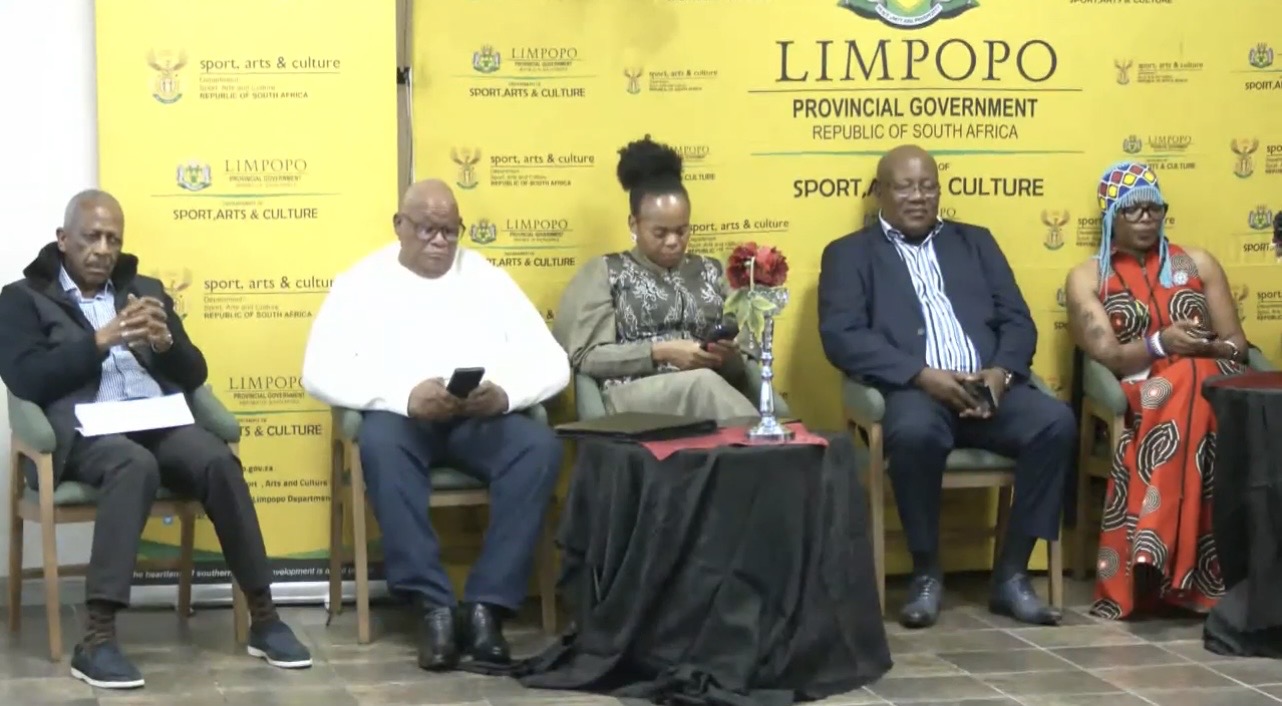
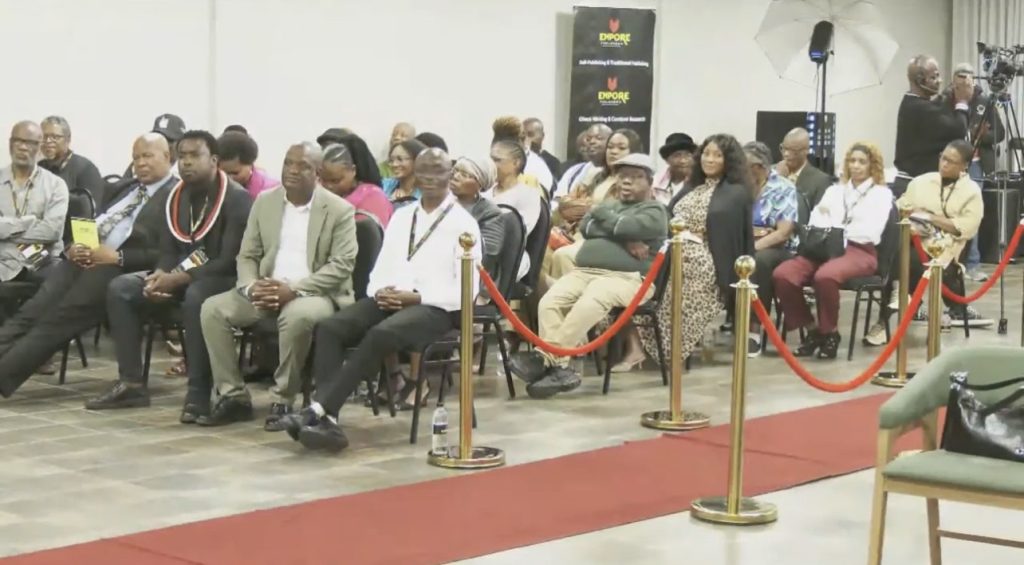
The launch of Sechaba Nkoana’s latest book, “Business Unionism and the Proliferation of Trade Unions in South Africa”, brought together political leaders, trade unionists, intellectuals and members of the public for an evening that extended far beyond a ceremonial unveiling. The event – aptly held on 1 May which is dubbed Workers Day – evolved into a robust and, at times, deeply introspective conversation about the trajectory of the labour movement, the responsibilities of leadership, and the enduring role of ideas in shaping society. The launch in Polokwane was hosted by Empore Publishers and generously supported by Limpopo’s Department of Sport, Arts and Culture.
From the outset, speakers framed the occasion not merely as a literary milestone, but as the culmination of a long intellectual journey. Nkoane was widely recognised for his evolution into a serious researcher whose work bridges academic inquiry and practical political application. His ability to analyse electoral data, interpret social trends, and engage complex institutional dynamics was highlighted as evidence of a thinker grounded in both theory and practice.
His previous work on land distribution was recalled as a rigorous intervention into one of South Africa’s most pressing historical questions. In his latest book, however, Nkoane shifts focus to the labour movement, interrogating the phenomenon of business unionism and the proliferation of trade unions. Speakers emphasised that such a subject cannot be approached superficially; it requires deep engagement with the internal workings of unions, their investment arms, and their broader strategic intentions.
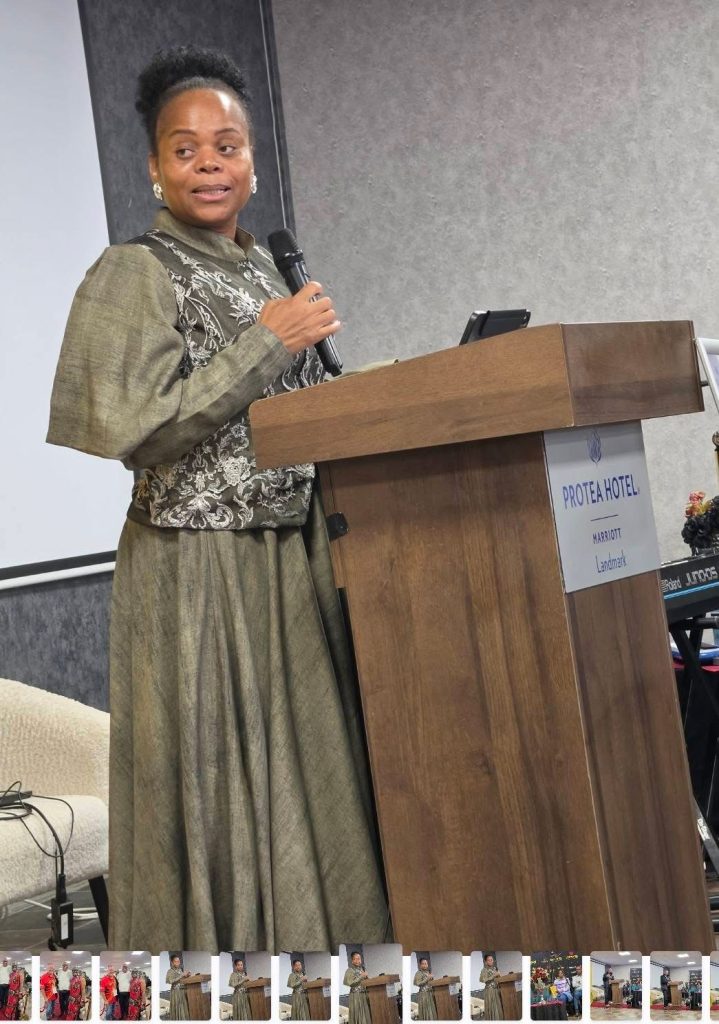

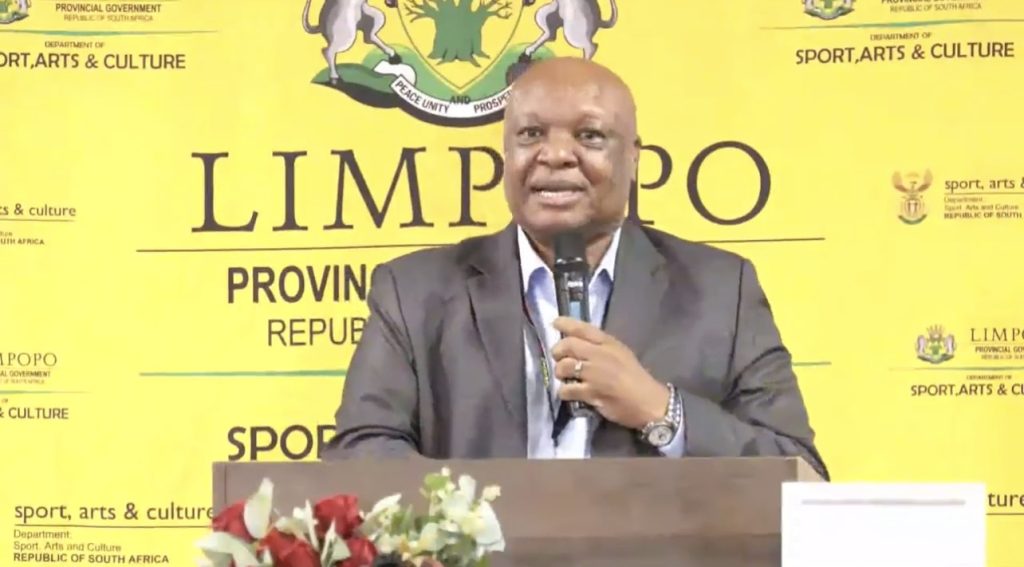
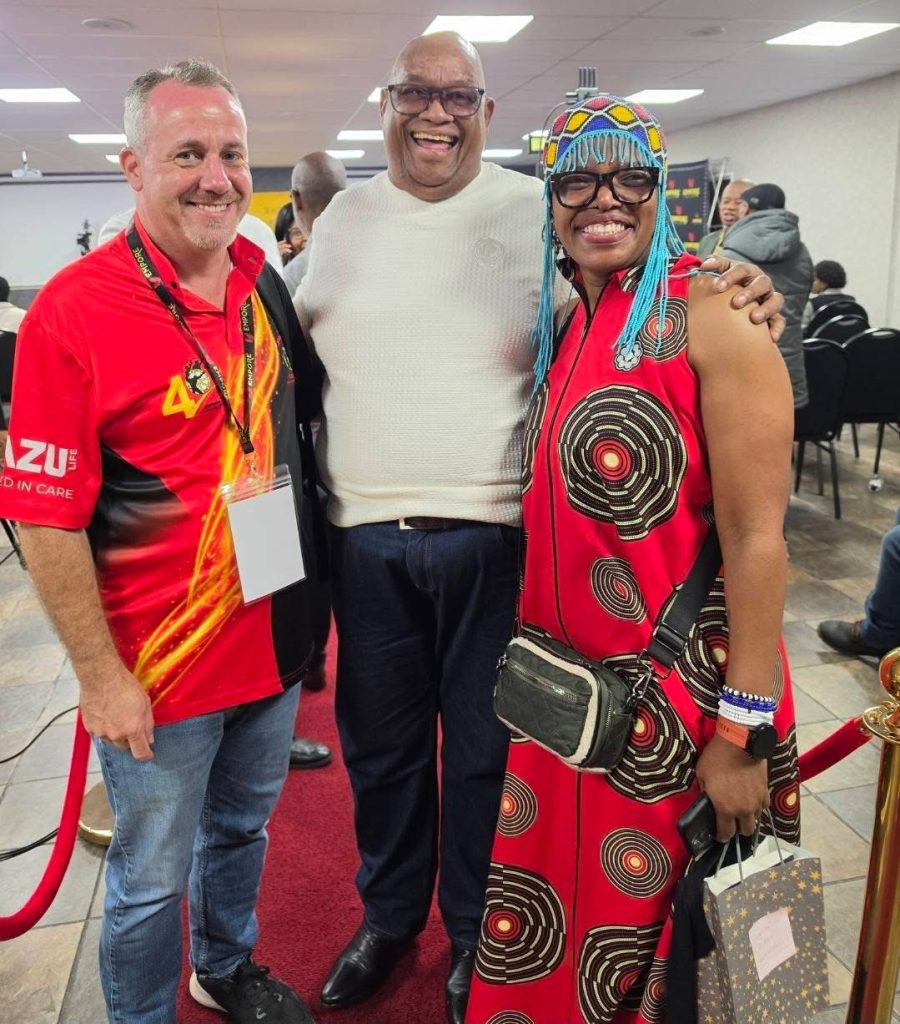
The presence of senior political leadership, including the Premier and key members of the provincial executive, underscored the significance of the moment. Their participation signalled recognition that intellectual work – particularly that which challenges prevailing orthodoxies – remains central to democratic discourse.
In the formal acknowledgements, the gathering was described as a reflection of society itself, bringing together leaders from government, labour, and the broader public. The importance of nurturing a culture of reading, writing, and critical engagement was repeatedly emphasised. Attendees were reminded that without readers, books remain inert, and that the responsibility of giving life to ideas rests with those willing to engage them.
The tone of the evening shifted decisively during the “setting the scene” address, delivered by the President of the Congress of South African Trade Unions, COSATU, Zingiswa Losi. The speech provided a sweeping overview of the labour movement’s historical journey – from its roots in global worker struggles to its pivotal role in South Africa’s fight against apartheid and its transition into democracy.
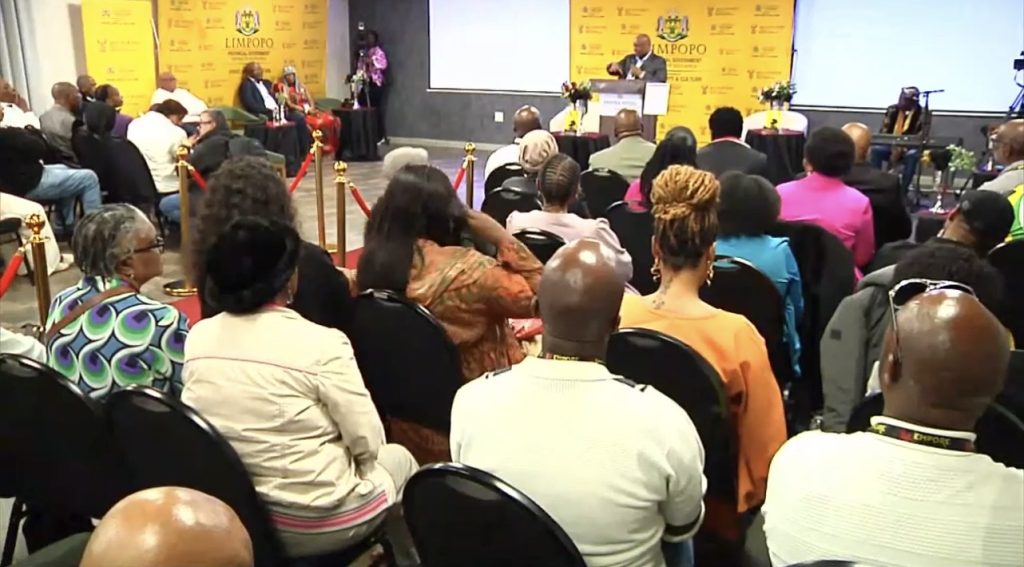
However, the address did not shy away from contemporary challenges. The fragmentation of the labour movement, marked by the proliferation of unions and federations, was identified as a critical concern. Leadership disputes, organisational divisions, and competing interests have weakened the collective voice of workers, raising questions about the movement’s ability to achieve its foundational goals.
Central to this critique was the concept of business unionism – the growing influence of financial interests within union structures. The concern raised was that leadership positions are increasingly contested not for their capacity to advance worker interests, but for access to investment resources and economic power. This shift, speakers argued, risks diluting the revolutionary ethos that historically defined organised labour.
At the same time, broader economic changes are reshaping the world of work. Rising unemployment, the spread of precarious employment, and declining levels of unionisation are placing additional strain on the movement. The result is a widening gap between union leadership and the lived experiences of workers, with many questioning whether unions remain responsive to their needs.
Yet, the book was commended for going beyond critique. It poses difficult but necessary questions about renewal: how to rebuild strong, worker-controlled unions; how to deploy workers’ resources for industrial development; and how to reconnect with younger generations who often feel excluded from traditional labour structures.
A veteran political leader and author, Dr Mathews Phosa, offered a reflective perspective on the craft of writing itself, describing it as both an intellectual and emotional journey. He emphasised the importance of truth, cautioning against revisionism and underscoring the responsibility of writers to remain factually accurate, even when confronting uncomfortable realities. Writing, he noted, requires patience, courage, and a willingness to face criticism.
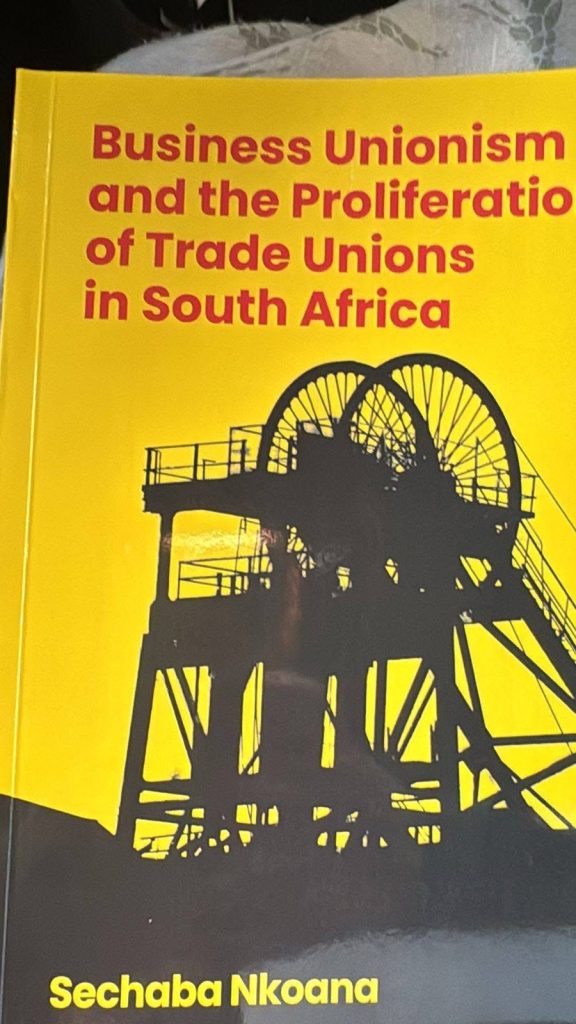
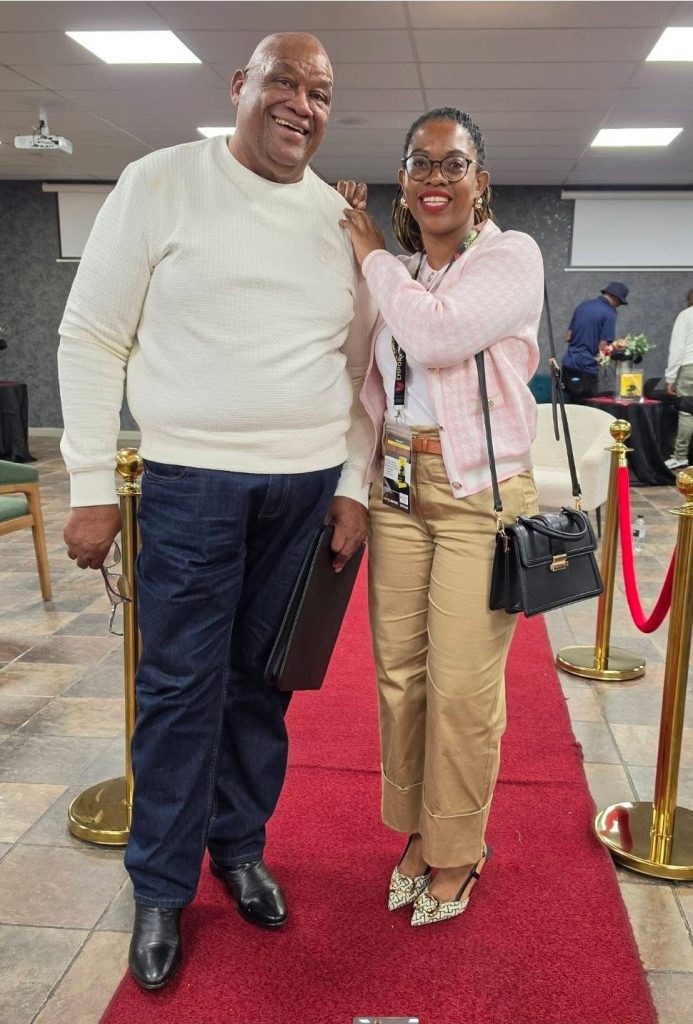
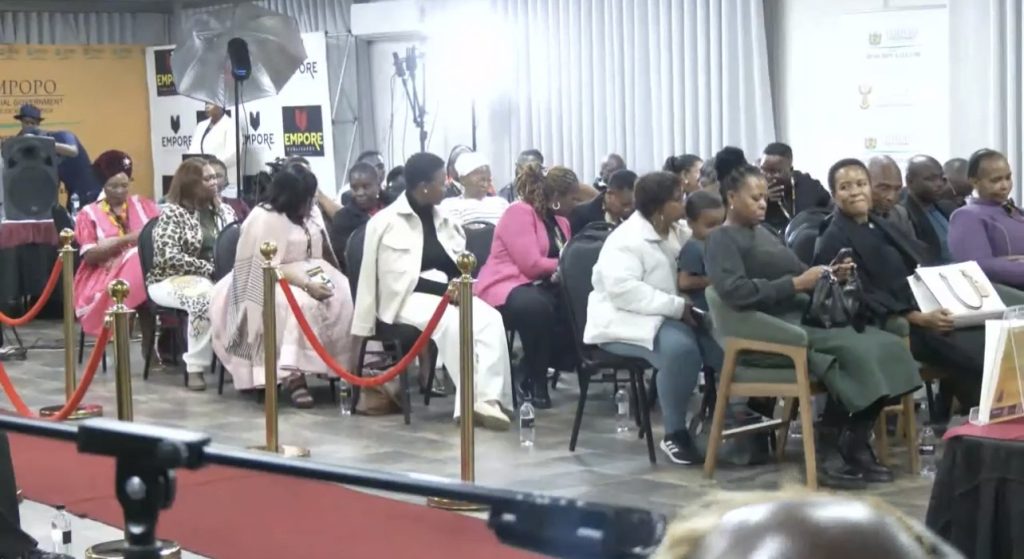
The keynote address by Dr Phophi Ramathuba, the Premier of Limpopo, reinforced many of these themes, situating the book within the broader context of South Africa’s democratic project. She described books as “enduring witnesses of time,” capable of shaping both memory and future imagination.
The Premier acknowledged the courage required to raise critical questions in an environment where silence is often rewarded. She highlighted the risks associated with confronting entrenched interests, noting that such honesty can be “career-limiting” in a political context. Nonetheless, she commended the author for prioritising truth over convenience.
Her address also drew attention to the growing disconnect between union leadership and ordinary workers. Rising scepticism among workers, particularly regarding union relevance and accountability, was identified as a serious challenge. The need for introspection within the labour movement was emphasised, alongside the importance of restoring trust and re-centering worker interests.
Importantly, the Premier framed the labour movement as indispensable to economic development. Strong unions, she argued, play a critical role in holding institutions accountable, improving working conditions, and ensuring that economic growth translates into social progress. Without a cohesive and principled labour movement, inequality is likely to deepen.

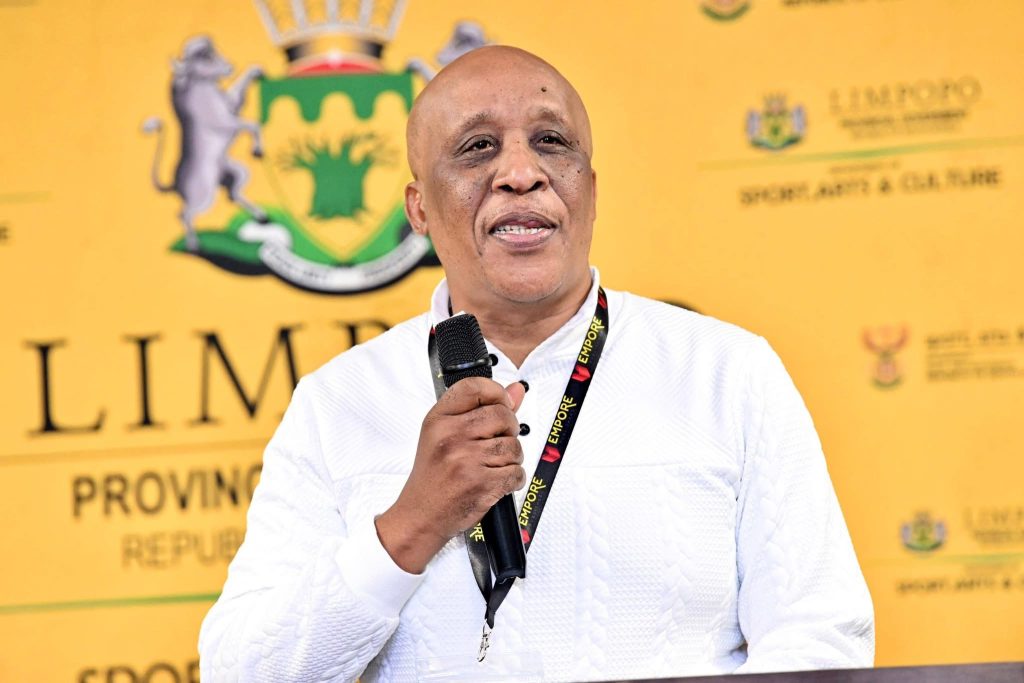
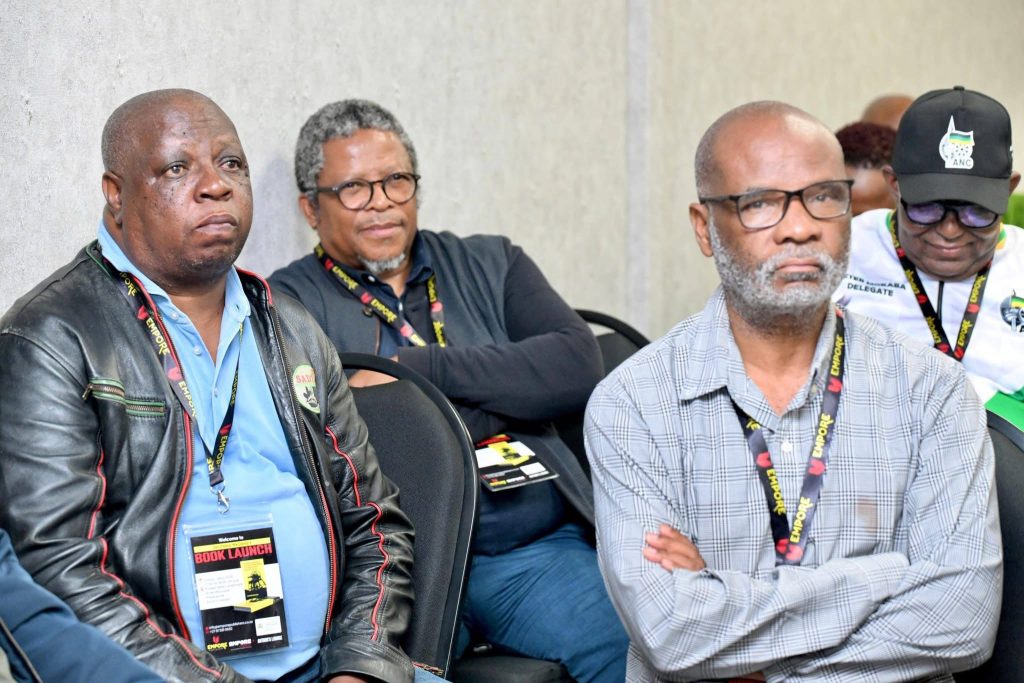
The evening concluded with messages of support that brought the discussion back to the lived realities of ordinary South Africans. A family representative spoke with pride about the author’s ability to balance intellectual work with community and family responsibilities, while also reflecting on the discipline required to produce such a contribution.
From a worker’s perspective, the themes of the book resonated strongly. Concerns were raised about the growing distance between union leadership and the factory floor, with everyday struggles – rising costs, job insecurity, and workplace grievances – often perceived as secondary. The book was welcomed as a timely intervention that articulates these frustrations and opens space for dialogue.
Ultimately, the launch was marked by a shared recognition that the value of the book will not lie in the event itself, but in its aftermath. Its significance will be measured by the conversations it inspires, the debates it provokes, and the extent to which it contributes to meaningful change within the labour movement and beyond.
As attendees departed, the message was clear: the responsibility now shifts from the author to the public. The task ahead is to read, engage, and act – ensuring that the ideas captured in the book do not remain confined to its pages, but instead become part of the ongoing struggle to shape a more just and equitable society.
****
To order a copy, please call Empore Publishers’ Nthekgeng Mogale on +27 76 961 9655