
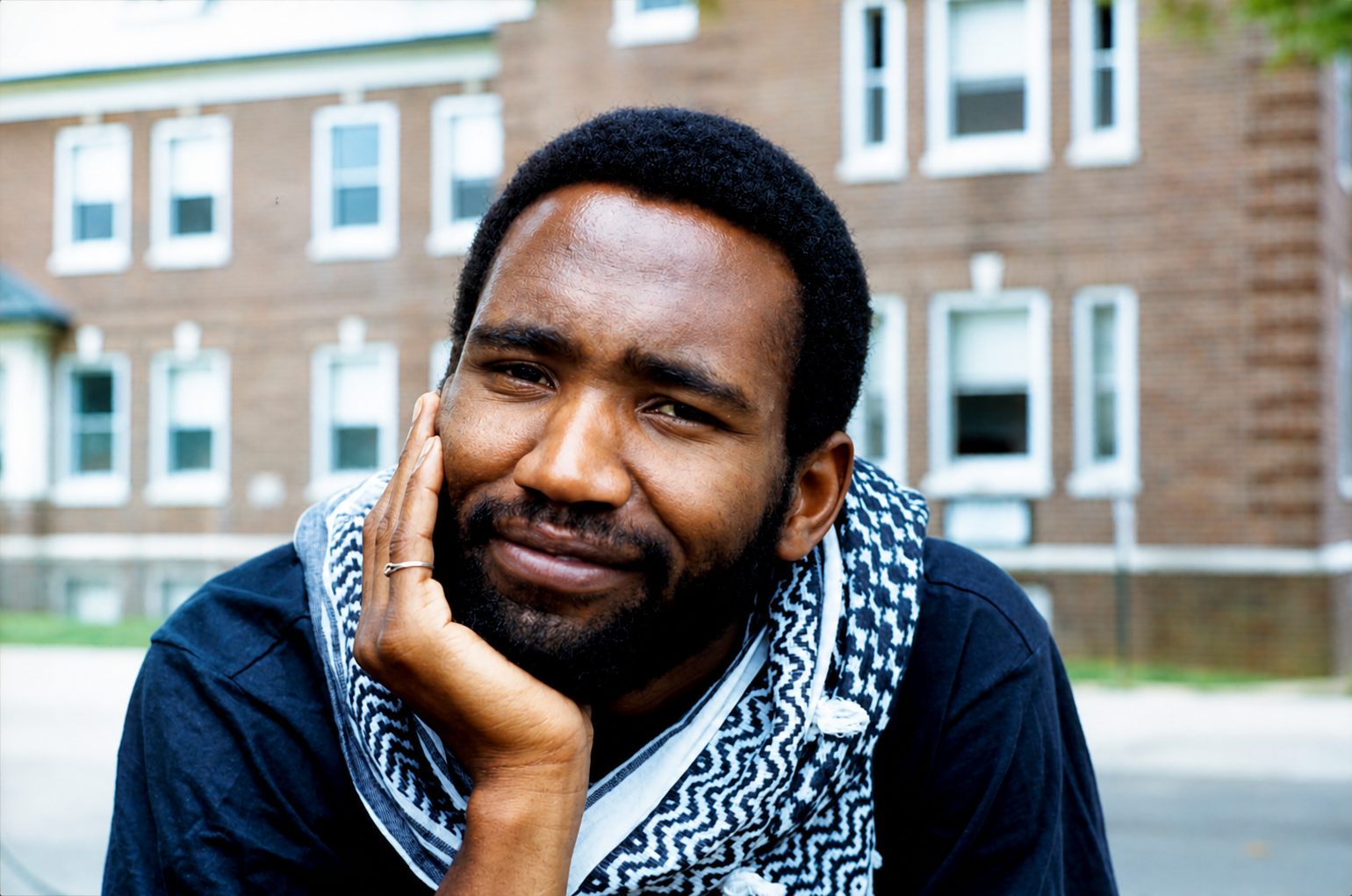
By Dr Lebogang Lance Nawa
The National Writers’ Association of South Africa (NWASA) expresses its full support for Nobel Laureate J.M. Coetzee in his decision to decline participation in the 14th International Writers Festival in Jerusalem.
Professor Coetzee’s refusal is a principled act of conscience. It reflects a long-standing literary and ethical tradition in which writers do not separate their work from the realities of power, injustice, and human suffering. In his correspondence, he has described the military actions in Gaza as a “campaign of genocide,” and has raised profound concerns about the moral responsibilities not only of governments, but of intellectual and artistic communities.
His decision reminds us that participation in global cultural platforms is never neutral, and that absence, when grounded in principle, can carry profound moral clarity.
NWASA affirms that writers have a responsibility not only to language, but to humanity. When conditions arise that call into question the dignity and rights of others, the literary community cannot retreat into abstraction. Silence, in such moments, risks becoming complicity.
We therefore stand in absolute support for Professor Coetzee’s position. His decision is not a rejection of dialogue, but a challenge to the conditions under which dialogue is asked to take place. It calls on all of us – writers, institutions, and organisers – to reflect on the ethical implications of our participation in global forums.
We further urge the organisers of the 14th International Writers Festival to engage seriously with the concerns raised, and to recognise that the credibility of literary spaces rests not only on the quality of their programmes, but on their alignment with fundamental principles of justice, accountability, and human dignity.
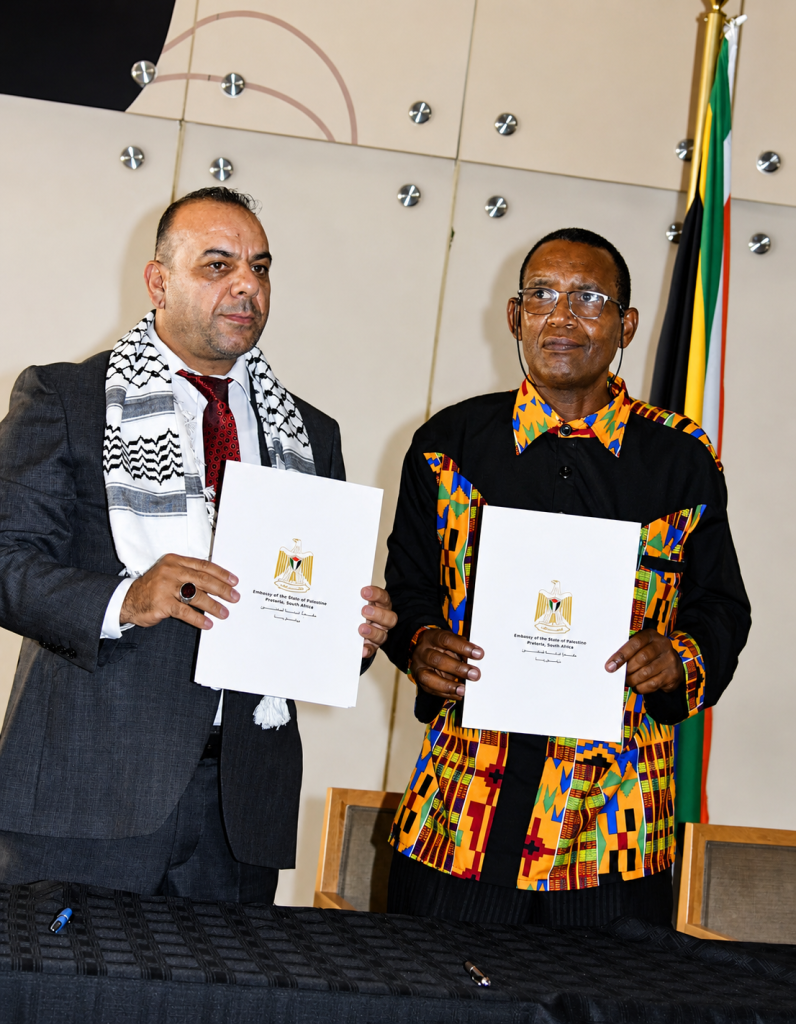
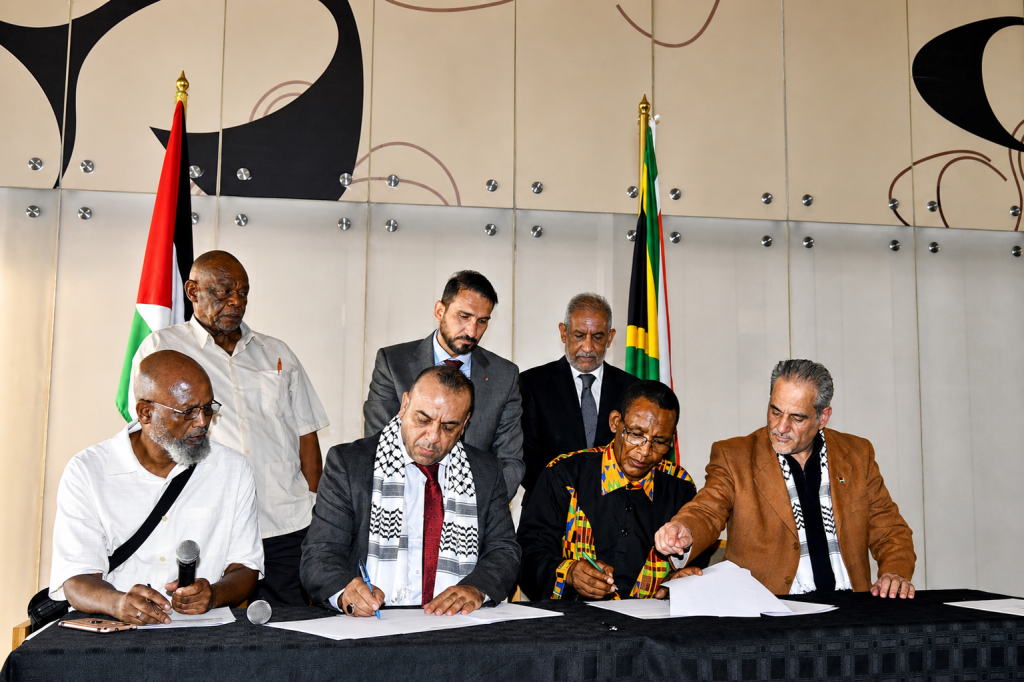
This position is consistent with NWASA’s broader internationalist and human rights commitments, as reflected in its cultural partnership with the General Union of Palestinian Writers (GUPW). Signed on Human Rights Day, 21 March 2024, at Freedom Park in Tshwane, the partnership symbolically links South Africa’s national liberation history – particularly the Sharpeville massacre – with the contemporary struggles of Palestinians.
The collaboration, which included a joint declaration, the awarding of Palestine’s Medal of Culture, Science and Arts to Poet Laureate Mongane Wally Serote, and cultural exchanges across Durban and Cape Town, underscores the role of literature in advancing solidarity and justice across borders.
Through the “From Cape to Gaza” declaration, NWASA and GUPW affirm the enduring role of writers as agents of resistance and conscience. Drawing parallels between apartheid South Africa and present-day Palestine, the declaration calls for an end to violence, occupation, and the destruction of cultural institutions, while advocating for accountability, freedom of movement, and global solidarity. It further commits writers to ensuring that literature continues to give voice to the oppressed, insisting that the act of writing itself remains inseparable from the pursuit of freedom, dignity, and peace.
NWASA’s position is firmly aligned with South Africa’s foreign policy principles, which place human rights, international law and multilateral accountability at their core. This is reflected in the country’s decision to pursue legal recourse against Israel at both the International Criminal Court and the International Court of Justice, citing alleged violations of international humanitarian law and acts amounting to genocide against Palestinians.
By supporting principled acts such as JM Coetzee’s refusal to participate in the Jerusalem festival, NWASA echoes the same commitment to justice, accountability, and the rule of law that underpins South Africa’s global posture. In this context, the organisation’s stance is not merely literary or symbolic, but part of a broader national and moral framework that rejects impunity and affirms solidarity with oppressed peoples through both diplomatic and cultural means.
NWASA remains committed to a literary culture that does not turn away from difficult truths, but confronts them with honesty, courage, and responsibility.
****
Dr Lebogang Lance Nawa is the Secretary- General of the National Writers Association of South Africa (NWASA)