
By Saul Molobi
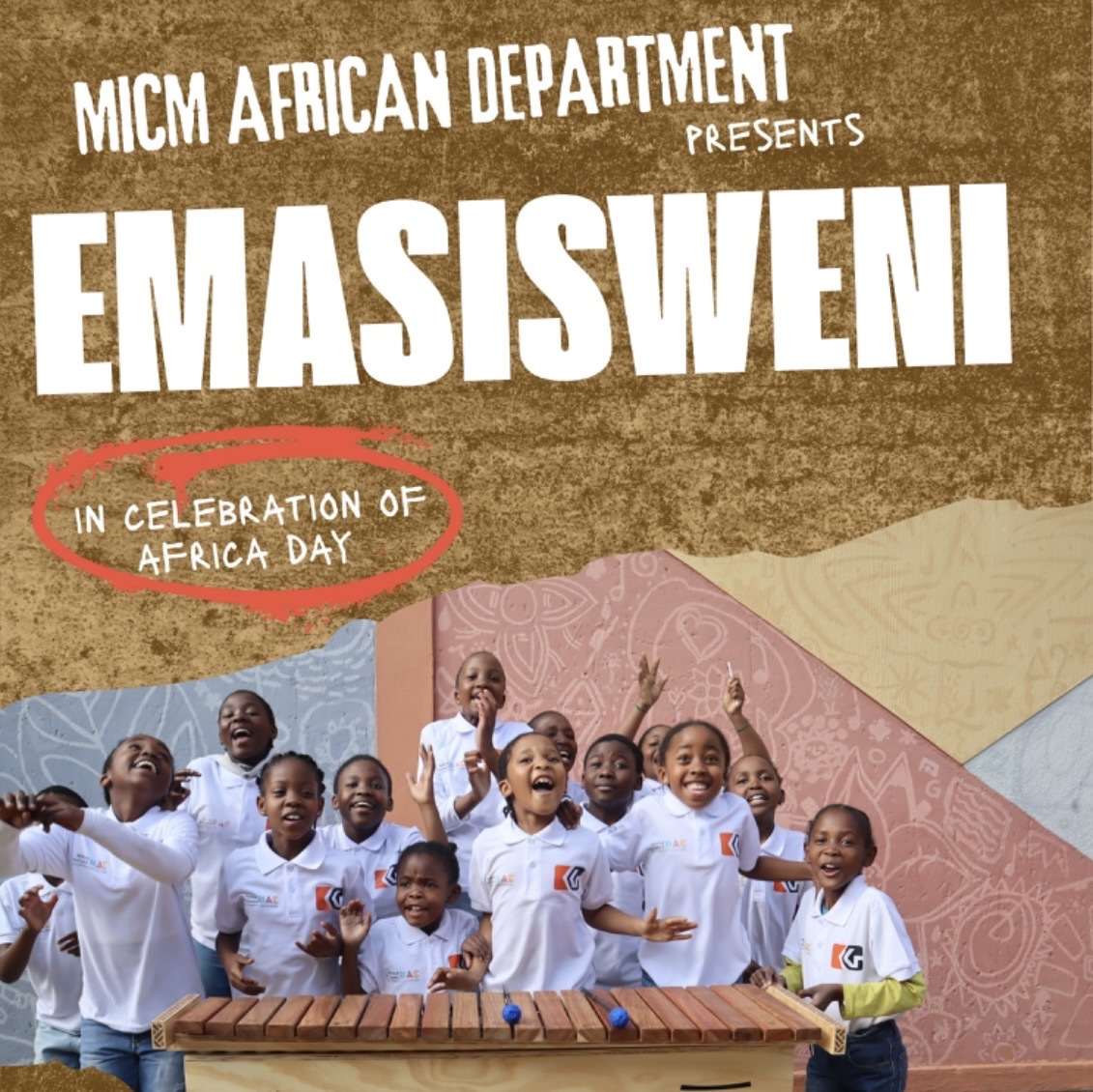
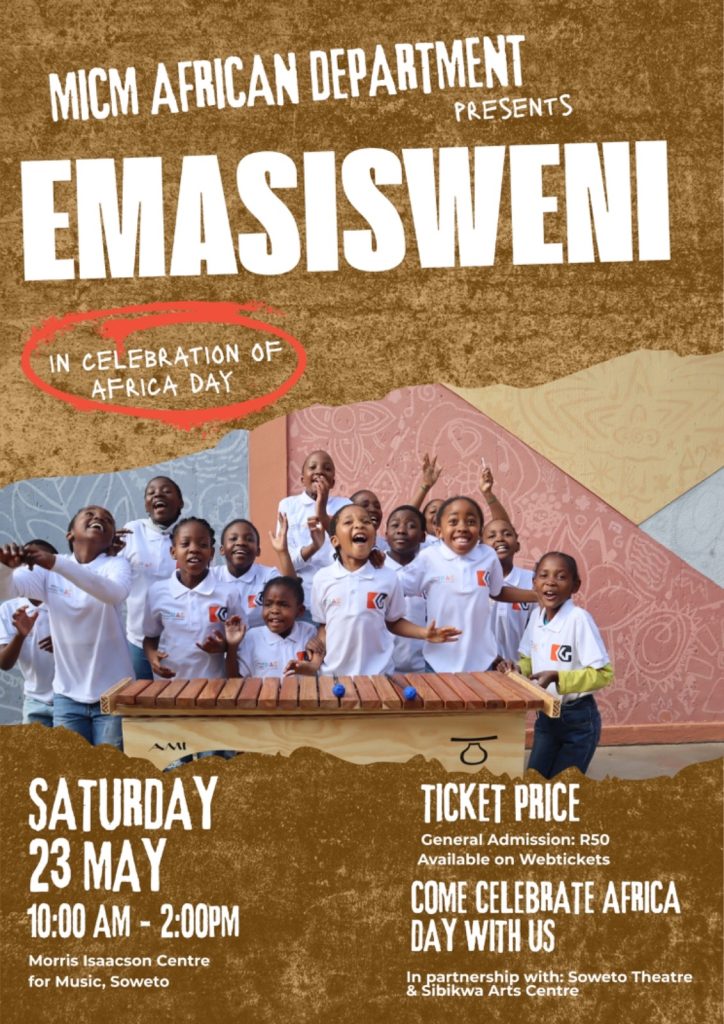
This is a reflective summary of a profound and inspiring conversation I held with Sibusiso Lerole, Head of African Music and Director of the African Orchestra Morris Isaacson Centre for Music; Lungile Zaphi, Director of the Morris Isaacson Centre for Music; and Bonolo Mokoena of the Sibikwa Arts Centre. Our engagement centred on contextualising the upcoming Emasisweni Concert, scheduled for 23 May in commemoration of Africa Day, within the broader framework of Pan-African epistemology, memory, identity, and aesthetic expression.
What is captured here emerges directly from the wisdom, insights, and reflections shared by the trio themselves. Listening to them was both affirming and deeply moving. Their intellectual depth, artistic consciousness, and unwavering commitment to African-centred cultural expression reaffirmed the enduring vision of our Pan-African forebears. One could not help but feel that the generations who fought for the liberation, dignity, and cultural restoration of the continent are indeed smiling in their graves, knowing that Africa’s future is being nurtured and safeguarded by a new generation of visionary cultural custodians, artists, and thinkers.
What we are witnessing through institutions such as the Morris Isaacson Centre for Music and Sibikwa Arts Centre is not simply arts education. It is the preservation of memory, the restoration of African dignity, and the continuation of intergenerational storytelling through music, dance and theatre. These institutions remind us that culture is not an accessory to society; it is the heartbeat of a people. When children pick up marimbas, drums, horns and indigenous instruments, they are not merely learning technique — they are inheriting history, identity and consciousness.

What also makes this gathering significant is that it arrives at a moment when Africa continues to wrestle with questions of belonging, identity and cultural continuity. Festivals such as these become important spaces of healing and reaffirmation. They reconnect young people with their roots while simultaneously opening doors for international cultural exchange. The collaboration with the Morgan State University Choir demonstrates how African creativity continues to resonate globally, creating bridges between the continent and the diaspora through the universal language of music.
The significance of the Morris Isaacson Secondary School cannot be overstated. This is sacred ground within the history of South Africa. The school occupies a central place in the story of the June 16 uprising, where young people challenged the injustices of apartheid with courage and conviction. To now witness another generation using the same spaces to produce art, music and storytelling is profoundly symbolic. It demonstrates that the spirit of resistance has transformed itself into creativity, education and cultural empowerment.
What is equally moving is the emphasis on early childhood development within the programme. The inclusion of children between the ages of four and six reflects a deeper understanding that artistic consciousness begins early. Long before children fully understand politics or history, they understand rhythm, sound, movement and emotion. Through these experiences, they begin forming relationships with community, heritage and self-expression. That is why initiatives such as these are not simply entertainment events; they are nation-building platforms.
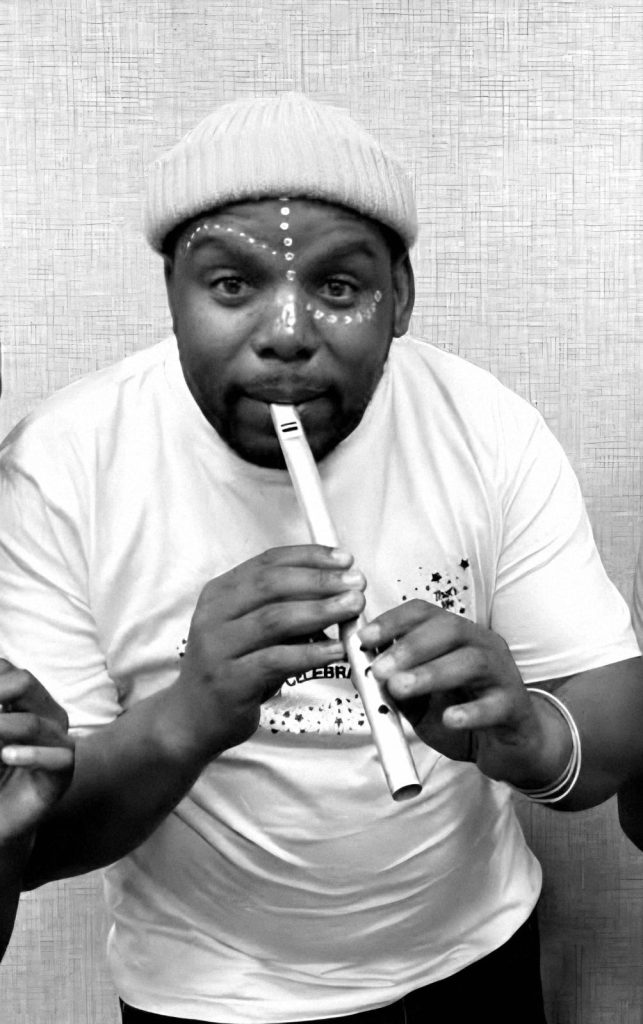
One also gets the sense that this festival seeks to challenge the separation that often exists between African traditions and contemporary artistic practice. The event embraces indigenous instruments, storytelling and African ensemble performance while also creating space for experimentation, collaboration and new sounds developed by younger musicians. This balance between preservation and innovation is critical because culture only survives when it continues evolving without losing its essence.
The participation of youth-led ensembles is especially inspiring. Too often, young people are spoken about as future leaders while being excluded from present leadership opportunities. Here, however, they are not spectators but active creators, curators and performers. They are trusted to shape the artistic direction of the festival itself. This creates ownership, confidence and a sense of responsibility towards the continuation of African artistic traditions.
What emerges from this conversation is also the importance of community arts centres as alternative educational spaces. In many communities, arts institutions become safe havens where young people discover purpose, discipline and belonging. They create environments where creativity is treated not as a luxury, but as a necessity for social development. Through music, theatre and dance, young people learn collaboration, leadership, communication and emotional intelligence — qualities essential for both personal and societal transformation.

The Africa Day celebration therefore becomes more than a commemorative event. It becomes an act of cultural affirmation. It says that African stories matter, African music matters, African languages matter, and African children matter. It reminds us that despite the social and political challenges confronting the continent, there remains an enduring reservoir of creativity and resilience rooted within African communities themselves.
And perhaps most importantly, this conversation reminds us that legacy is not preserved through monuments alone. Legacy survives through living practice — through songs sung by children, through drums played in community halls, through stories shared across generations, and through institutions that continue opening doors for young dreamers. That is why events such as these deserve support, because they are ultimately investing in the cultural future of Africa itself.
Catch our conversation this Sunday by tuning into 101.9 FM or stream live from www.chaifm.com from 17:00 to 19:00…