
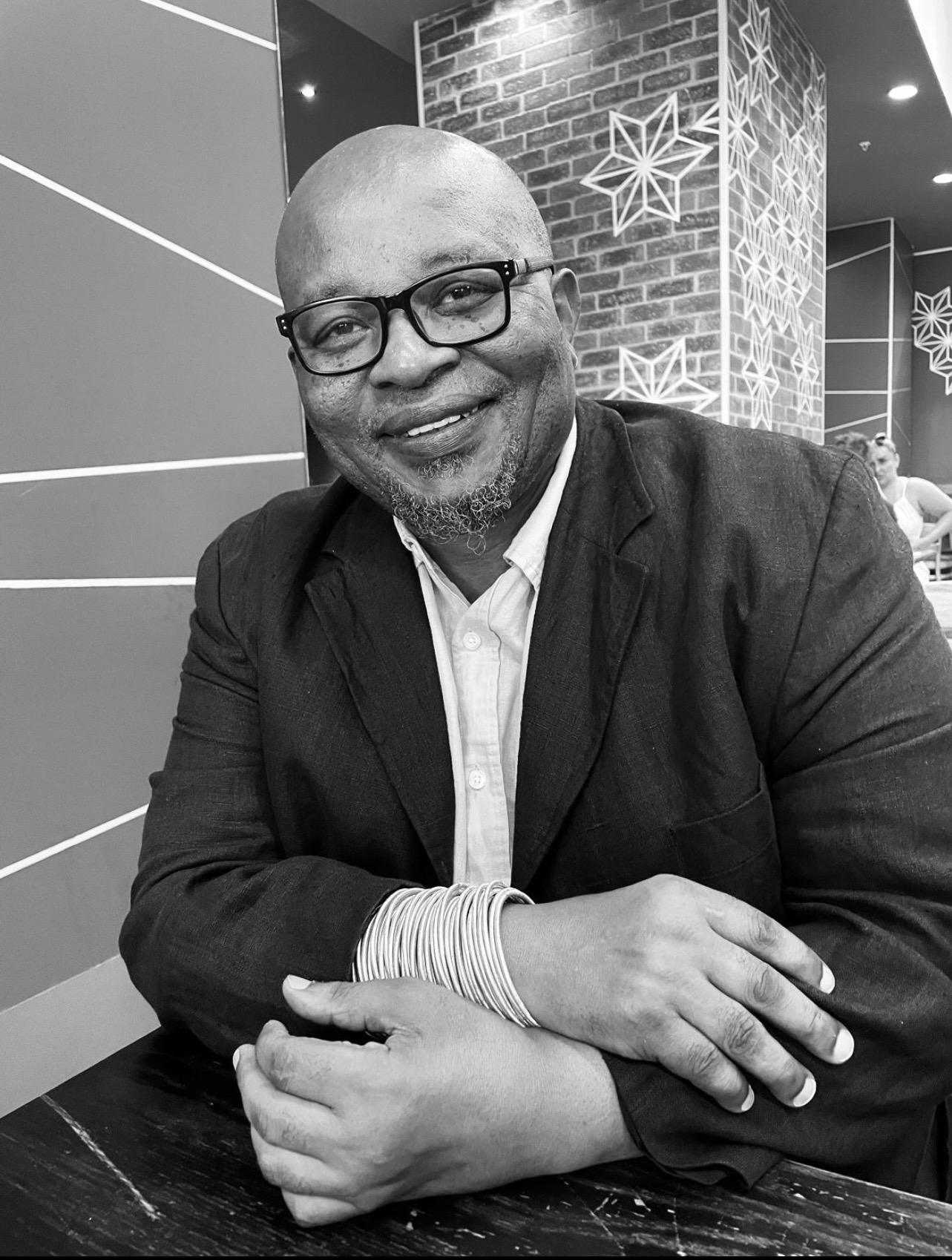
Yesterday, 10 years ago, I registered Brandhill Africa (Pty) Ltd — a milestone that carries both personal and continental significance. The establishment of the company emerged from a deep recognition of a persistent gap in the global marketplace: the inadequate representation of positive African narratives and the continued dominance of deficit-based perceptions about the continent. Brandhill Africa™ was therefore conceived as an intervention — a strategic and intellectual platform to de/construct and re/engineer the idea of “brand Africa” in ways that affirm the continent’s dignity, competitiveness, creativity and economic potential. At that time, I was preparing to complete my four-and-a-half-year tour of diplomatic duty as South Africa’s Consul-General to Milan, Italy.
From the beginning, the vision was clear: to contribute towards building Africa’s reputation as a viable destination for investment, tourism, innovation, and cultural exchange. Equally important was the commitment to support “Made by Africa” products and service brands by strengthening their visibility, competitiveness, and access to international markets. At its core, Brandhill Africa has always believed that reputation is an economic asset, and that Africa’s developmental future is inseparable from how the continent tells its own story to itself and to the world.
This philosophy became encapsulated in the company’s enduring brand mantra: “De/constructing brand Africa, one country at a time.” The mantra reflects a deliberate intellectual and strategic commitment to interrogating inherited stereotypes and fragmented perceptions about the continent, while simultaneously constructing alternative narratives grounded in African realities, aspirations, innovation, and excellence. It recognises that Africa is not a monolith, but a mosaic of diverse nations, cultures, economies, and identities — each requiring nuanced engagement in the broader project of continental reputation building. In this regard, Brandhill Africa positioned itself not merely as a communications enterprise, but as a platform for African narrative sovereignty and strategic repositioning.
The delivery platforms for these offerings evolved around three strategic pillars: marketing consulting; event management with a special focus on the African Continental Free Trade Area (AfCFTA); and multimedia publishing of products carrying positive narratives on Brand Africa — including this very weekly pan-African news portal. Through these platforms, the company sought not merely to communicate stories about Africa, but to shape new epistemologies of African possibility, competitiveness, and self-definition.
Over the past decade, Brandhill Africa™ has contributed meaningfully to conversations and initiatives around nation branding, place branding, strategic communications, media relations, cultural diplomacy, and reputation management. Through research, advocacy, public dialogue, media engagement, and strategic partnerships, the company has consistently championed narratives that foreground African excellence, resilience, innovation, and creativity. It has also provided intellectual leadership on the intersections between branding, identity, culture, economics, and geopolitics within the African context.
Some of the highlights over the years include providing marketing consulting services to institutions such as Magalies Water, African Genius Awards, the Gauteng Department of Community Safety, and the Standard Bank Group. These engagements reflected Brandhill Africa™’s growing reputation as a strategic partner capable of linking branding, communication, reputation management, and developmental imperatives within both the public and private sectors.
In the area of event management and continental engagement, the company successfully hosted influential African leaders and thought leaders as keynote speakers, including Wamkele Mene, Secretary-General of the AfCFTA Secretariat; Dr Amany Asfour, President of the African Business Council; and established partnerships with the African Diplomatic Corps resident in South Africa under the leadership of their dean, Amb Andre Nzapayeke. These engagements strengthened Brandhill Africa’s continental footprint and reinforced its commitment to promoting African integration, economic diplomacy, and intra-African collaboration.
The company’s publication programme has also steadily expanded over the years. Through multimedia publishing initiatives and pan-African content platforms, Brandhill Africa has consistently produced and amplified narratives that celebrate African achievement, intellectual thought, culture, entrepreneurship, innovation, and continental solidarity. The publication portfolio continues to grow, reflecting an enduring commitment to ensuring that African voices and perspectives occupy their rightful place within global discourse.
A defining turning point in this journey came when I joined the company full-time on 1 July 2026. This transition enabled Brandhill Africa to intensify its work and expand its footprint across several strategic areas. Since then, the company has strengthened its positioning as a thought leader in Brand Africa discourse, developed stronger collaborations with institutions across the continent, supported African brands seeking market visibility, and deepened public conversations around Africa’s image, soft power, and global competitiveness. The period has also seen increased participation in policy discussions, academic engagements, media commentary, and cultural initiatives aimed at repositioning Africa in the global imagination.
Yet this tenth anniversary also arrives at a moment of reflection. Since the beginning of this year, I have often wondered how to celebrate a decade of existence in the face of the existential pressures currently bedevilling MSMEs in general. Like many small and medium enterprises operating within demanding economic conditions, Brandhill Africa has had to navigate uncertainty, limited resources, shifting markets, and structural challenges confronting independent African businesses and intellectual enterprises.
Then, over the weekend, the heavens responded.
I received an invitation from the University of Limpopo Turfloop Graduate School of Leadership to serve as a guest lecturer to their MBA class yesterday on brands and branding. Unbeknown to them, this invitation became the perfect platform through which to commemorate Brandhill Africa’s tenth anniversary. The lecture topic — “De/constructing brand Africa: Strategic Analysis of Economic Diplomacy through the ICON Model” — resonated deeply with the students. What was scheduled to be a one-hour session extended into a full two-hour engagement, animated by critical discussion, intellectual curiosity, and highly positive feedback from the class.
In many ways, that lecture became symbolic of Brandhill Africa’s broader mission over the past decade: creating spaces for critical engagement on Africa’s identity, reputation, and strategic positioning in the world. It reaffirmed that the work of deconstructing harmful stereotypes and reconstructing empowering African narratives remains necessary, relevant, and impactful.
Ten years later, Brandhill Africa remains committed to its founding mission: advancing a more nuanced, authentic, and empowering narrative of Africa and its people. The journey has never been merely about branding in the commercial sense, but about restoring confidence, reclaiming identity, and contributing towards a future in which Africa is recognised not through stereotypes and crises, but through its possibilities, innovations, and contributions to humanity.
As we enter the next decade, the task remains urgent and unfinished. The African story must continue to be told boldly, intelligently, and unapologetically — by Africans themselves.
Tujenge Afrika Pamoja! Let’s Build Africa Together!
Enjoy your weekend.
Saul Molobi (FCIM)
PUBLISHER: JAMBO AFRICA ONLINE
and
Group Chief Executive Officer and Chairman
Brandhill Africa™
Tel: +27 11 759 4297
Mobile: +27 83 635 7773
Physical Address: 1st Floor, Cradock Square Offices; 169 Oxford Road; Rosebank; JOHANNESBURG; 2196.