
By Saul Molobi
The city of Johannesburg became the centre of China-Africa cultural diplomacy this week as diplomats, media leaders, business executives and cultural practitioners gathered at Nu Metro Cinema in Hyde Park Corner for the South African launch of the Reel China premium screening of Chinese blockbuster films.
The event, organised by China Media Group Africa in partnership with the China Film Administration, formed part of the 2026 China-Africa Year of People-to-People Exchanges and coincided with celebrations marking 70 years of diplomatic relations between China and African countries.
The Johannesburg screening served as the first stop of the Reel China Overseas Screening and Promotion Event, a global initiative aimed at introducing contemporary Chinese cinema and culture to international audiences through film.
Hosted by China Media Group Africa Global Anchor Beatrice Marshall, the gathering drew high-profile guests including Chinese Ambassador to South Africa Wu Peng; China Media Group Africa Bureau Chief Song Tianying; senior South African government representative, Amb Zodwa Lallie; media executives; diplomats; business leaders and members of the creative industries.
The event reflected the growing importance of cultural diplomacy within the broader China-Africa strategic relationship, particularly as both sides seek to deepen people-to-people engagement beyond trade and infrastructure cooperation.
Speaking during the opening ceremony, Tianying described cinema as a powerful medium capable of creating emotional connections between nations and peoples.
She noted that Chinese cinema had experienced extraordinary growth in recent years, with China’s box office revenue surpassing 145 billion yuan during the first half of 2026 alone.
Audiences at the screening were treated to two major Chinese productions — Pegasus 3, a high-energy motorsport drama blending artificial intelligence and human perseverance, and Blade Runner: Wind from the Desert, a martial arts epic inspired by traditional Chinese culture and Eastern aesthetics.
“These films showcase not only the remarkable development of China’s film industry, but also offer a window into contemporary Chinese life, values, humour and cultural heritage,” Tianying said.
She added that South Africa was an ideal location for the launch because of its growing familiarity with Chinese brands and expanding commercial ties with China.
“As Africa’s leading automotive manufacturing nation, South Africa already knows many Chinese brands. Through cinema, we are introducing another dimension of China — its stories, emotions and aspirations,” she said.
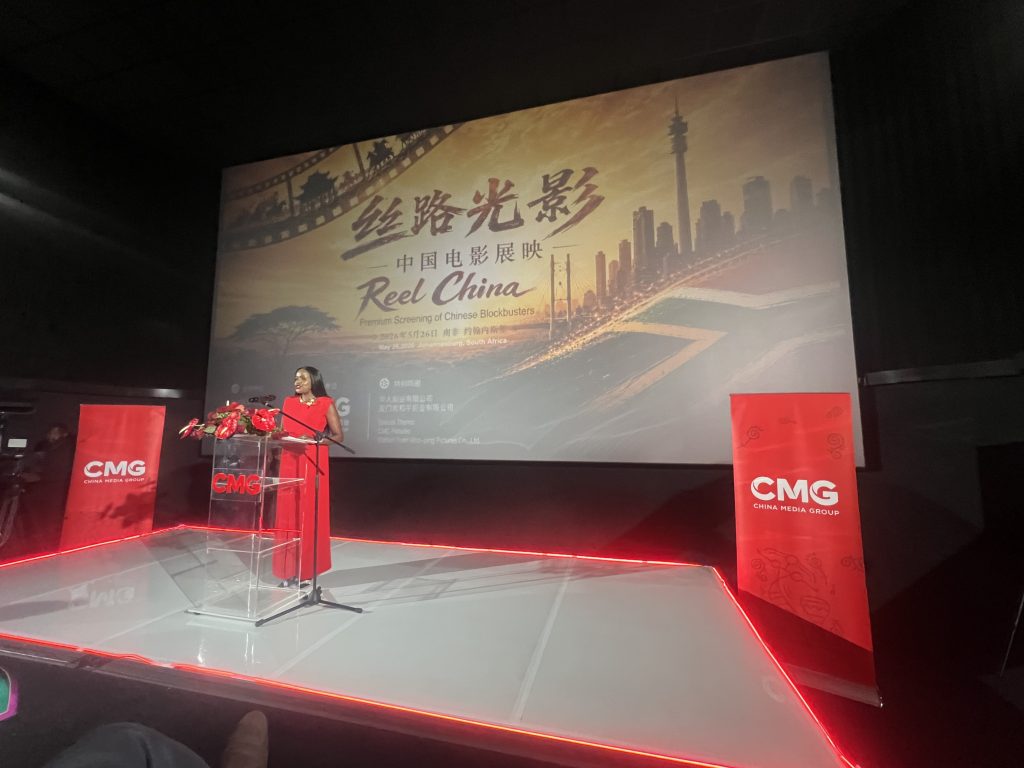
*** China Media Group Africa Global Anchor, Beatrice Marshall, directed the programme ***
Cinema as Cultural Diplomacy
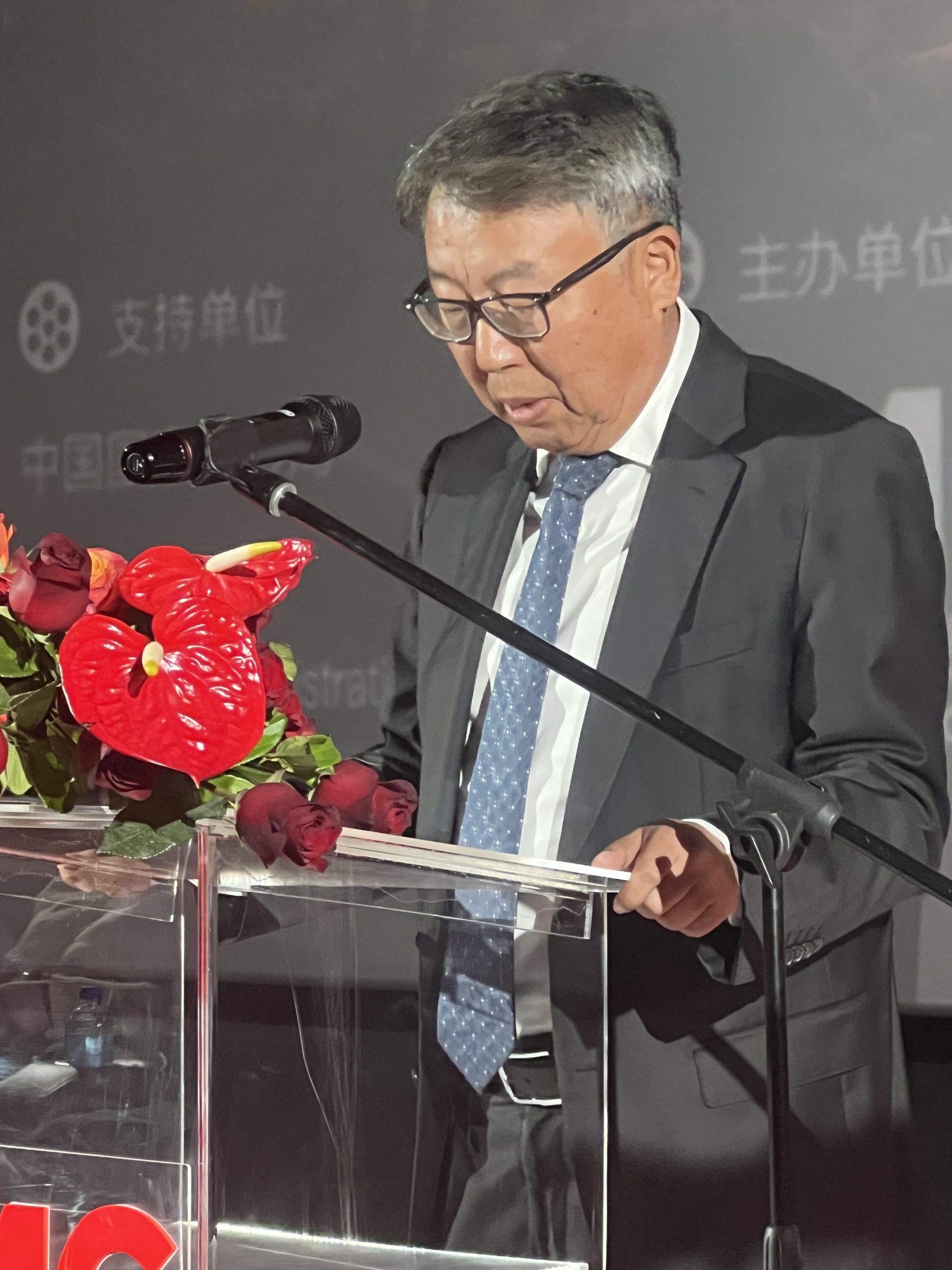
Delivering the keynote address, Chinese Ambassador Wu Peng positioned the event within the broader framework of China-Africa cooperation, emphasising the importance of cultural exchange in strengthening bilateral and multilateral relations.
“China and South Africa have built a strong and enduring partnership founded on mutual respect, solidarity and shared development,” Ambassador Wu said.
He noted that China and South Africa continue to coordinate closely on major international issues and serve as important voices within the Global South.
The ambassador described film and television cooperation as one of the most effective instruments for promoting understanding between societies.
“Film and television serve as an important bridge for people-to-people exchange,” he said. “Today’s event demonstrates our commitment to implementing the important consensus reached by Chinese and African leaders to deepen cultural cooperation.”
Wu highlighted the rapid growth of China’s film industry, revealing that the country recorded nearly 1.3 billion cinema admissions in 2025, while total box office revenue exceeded 52 billion RMB — a year-on-year increase of more than 23 percent.
According to Wu, China’s film industry has evolved beyond a narrow commercial focus and now represents a dynamic ecosystem of storytelling, innovation and cultural influence.
He shared a personal anecdote from a visit to KwaZulu-Natal, where he encountered a South African watching a Chinese television drama on a mobile phone at a remote petrol station.
“I was surprised, but also deeply encouraged,” he said. “It showed me that cultural exchange is already bringing our peoples closer together.”
Wu also expressed hope that South African films would increasingly find audiences in China, arguing that meaningful cultural exchange must flow in both directions.
“We want exchange, not one-way communication,” he said. “We hope one day South African film screenings will also take place in China.”
The ambassador reiterated China’s commitment to welcoming African students, entrepreneurs and professionals into China while expressing appreciation for the hospitality South Africa has extended to the Chinese diaspora over many years.
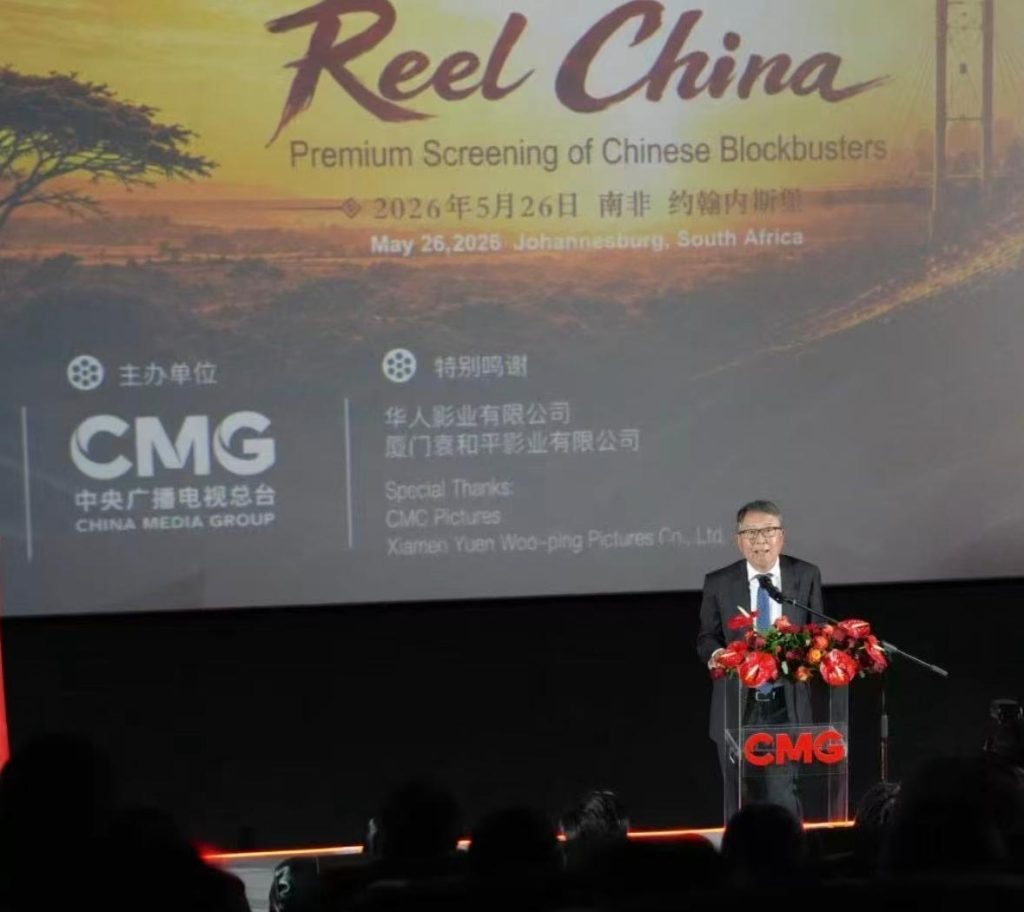
*** HE Amb Wu Peng giving the keynote address ***
China Media Group Expands Global Reach
Song Tianying, Director of the CMG Africa Regional Bureau, used the occasion to outline China Media Group’s growing international footprint and its role in promoting Chinese culture globally.
She explained that CMG currently operates bureaus in 65 countries and regions worldwide, while its international video agency CCTV+ serves more than 4,200 media organisations across 143 countries and regions.
“China Media Group has become one of the world’s most influential international media organisations and an important force in promoting Chinese culture and cinema globally,” Song said.
She highlighted the increasing international recognition being achieved by Chinese films, noting that China’s box office revenue exceeded 40.5 billion yuan during the first half of 2026.
Song also pointed to technological innovation within China’s audiovisual sector, referencing projects such as China’s first 8K space documentary, The Blue Star: Outside the Window, as evidence of the industry’s growing sophistication.
“Through film, we hope South African audiences gain a deeper understanding of contemporary China and experience the emotional connections shared across civilizations,” she said.
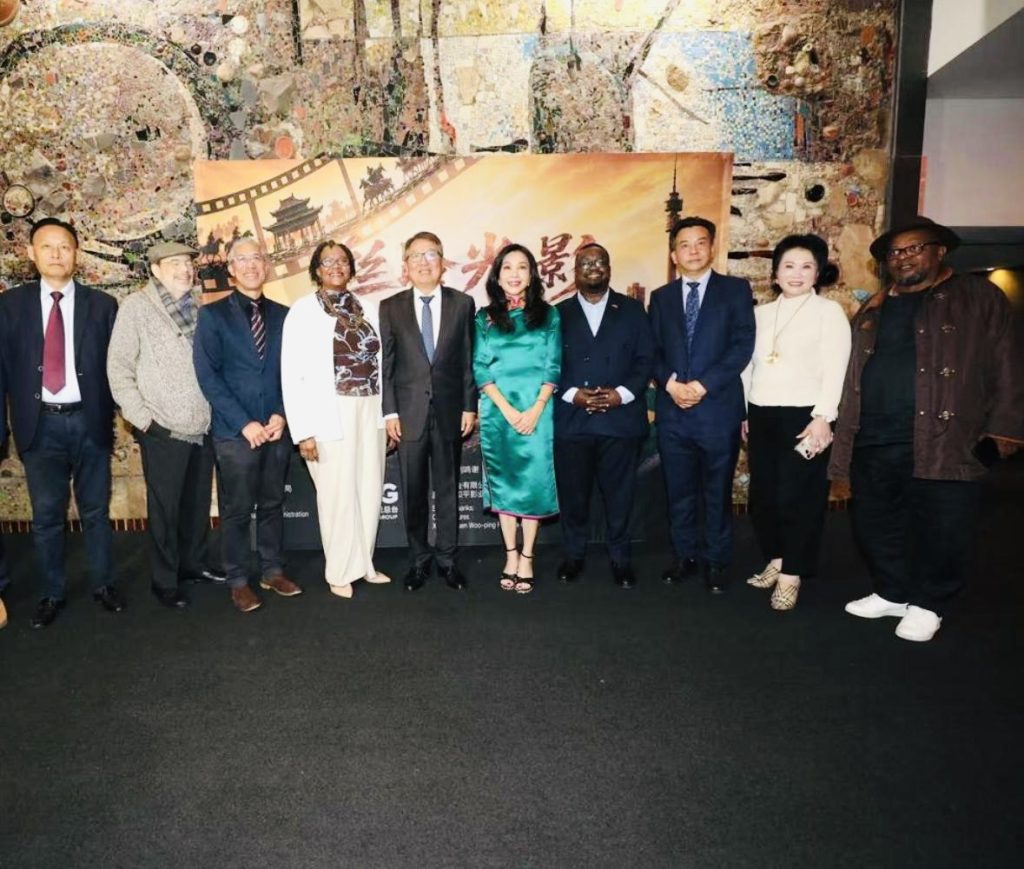
*** VIP guests ***
South African Media Welcomes Cultural Engagement
Veteran media executive and publisher of the Sunday World and Sunday Sun, John Bailey, praised the initiative as an important contribution to strengthening mutual understanding between China and South Africa.
Bailey, who previously worked as a foreign correspondent in China, said the screening represented far more than entertainment.
“This is about building bridges between nations and creating deeper understanding between peoples,” he said.
He described Chinese cinema as increasingly innovative, technologically advanced and globally relevant, while also rooted in themes that resonate universally.
“These stories speak about family, perseverance, tradition and aspiration — values that audiences around the world can relate to,” Bailey said.
He reflected on the broader significance of China-Africa relations during a period marked by global instability and economic uncertainty.
“The relationship between China and Africa has evolved into a comprehensive strategic partnership that extends beyond economics,” he said. “Cultural understanding is equally important.”
Bailey further noted the growing visibility of Chinese investment in South Africa, particularly within the automotive sector, where Chinese vehicle brands continue expanding their market presence.
Yet, he argued, the most valuable aspect of the relationship lies in the strengthening of people-to-people connections.
“This event is about understanding each other beyond trade and politics,” he said.
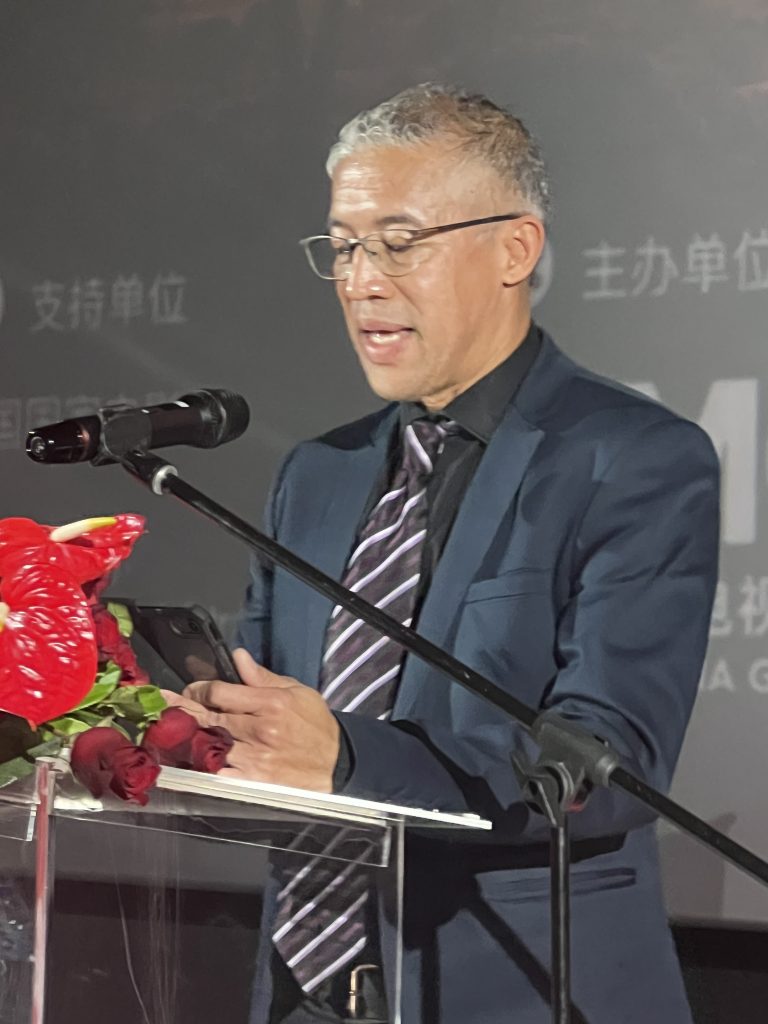
*** Renowned journalist and publisher, John Bailey ***
Expanding Chinese Cinema Across Africa
Byong Li of Planet China, a distributor of Chinese films and cinema technology across Africa, said the African market was becoming increasingly important for Chinese entertainment companies.
Since 2015, Planet China has introduced multiple Chinese productions to audiences across South Africa and the continent.
“Chinese cinema today goes beyond kung fu films,” Li said. “Modern Chinese films explore technology, humanity, innovation and the future.”
He expressed optimism about expanding the reach of Chinese films in Africa and strengthening collaboration between the two regions’ creative industries.
Strengthening China-Africa People-to-People Relations
The Johannesburg screening underscored the growing role of soft power and cultural exchange in contemporary China-Africa relations.
While economic cooperation between China and Africa continues to dominate headlines — particularly in infrastructure, trade, mining and manufacturing — the Real China initiative illustrated Beijing’s increasing focus on building cultural influence and strengthening public engagement across the continent.
For attendees, the event represented not merely a film screening, but a symbolic moment in the evolving relationship between China and Africa — one where storytelling, shared experiences and cultural appreciation are becoming central pillars of international diplomacy.
As guests gathered for photographs and post-event discussions following the ceremony, the atmosphere reflected an emerging consensus among participants: that cinema, like diplomacy, has the power to connect societies, shape perceptions and build lasting relationships between nations.