
By Saul Molobi
As South Africa commemorates Youth Month, I have found myself reflecting on an idea that may appear unfashionable in an age obsessed with speed, technology and individualism: that the future of our youth is inseparable from the strength of our families, and the strength of our families is rooted in the values that sustain marriage.
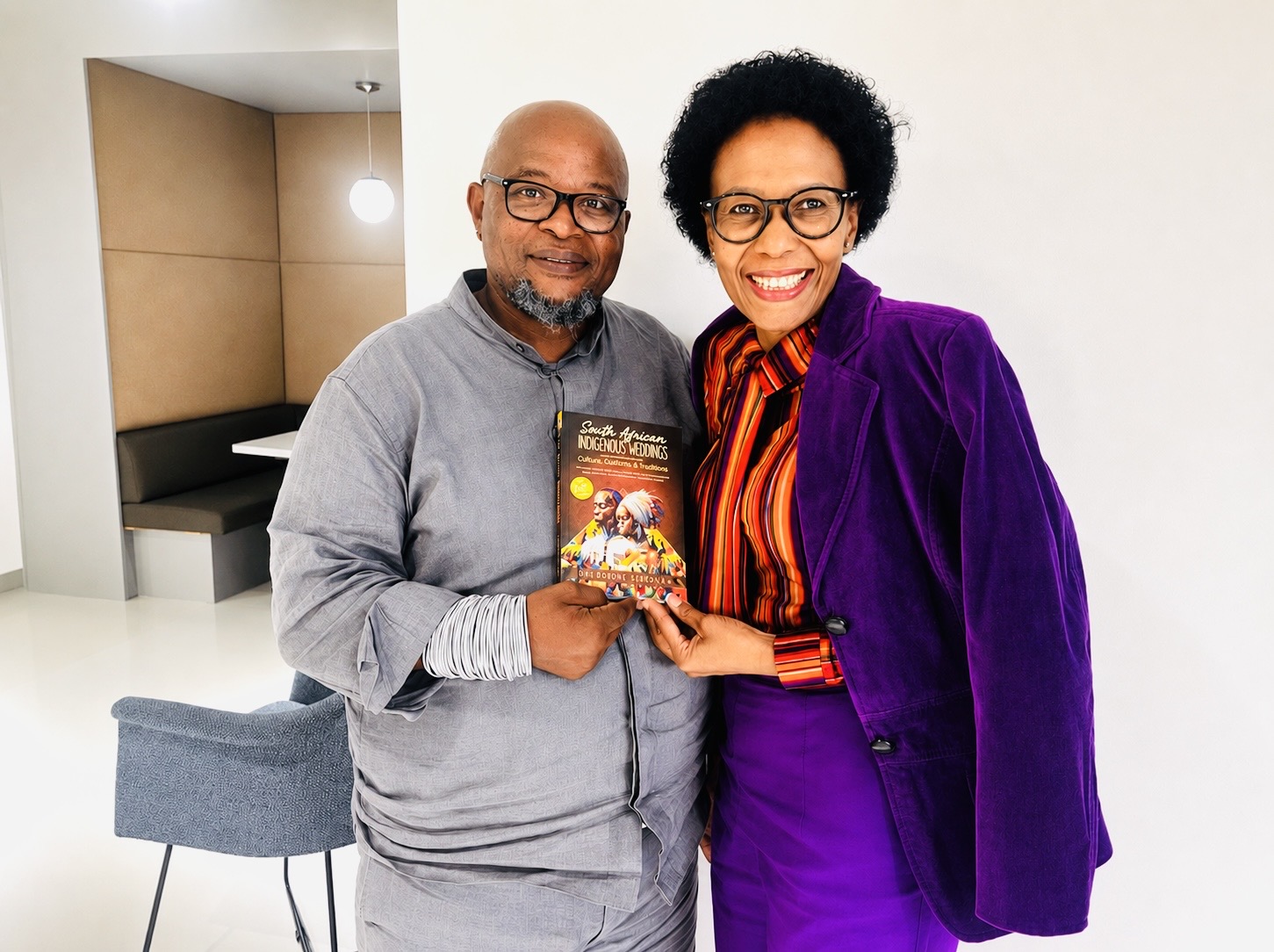
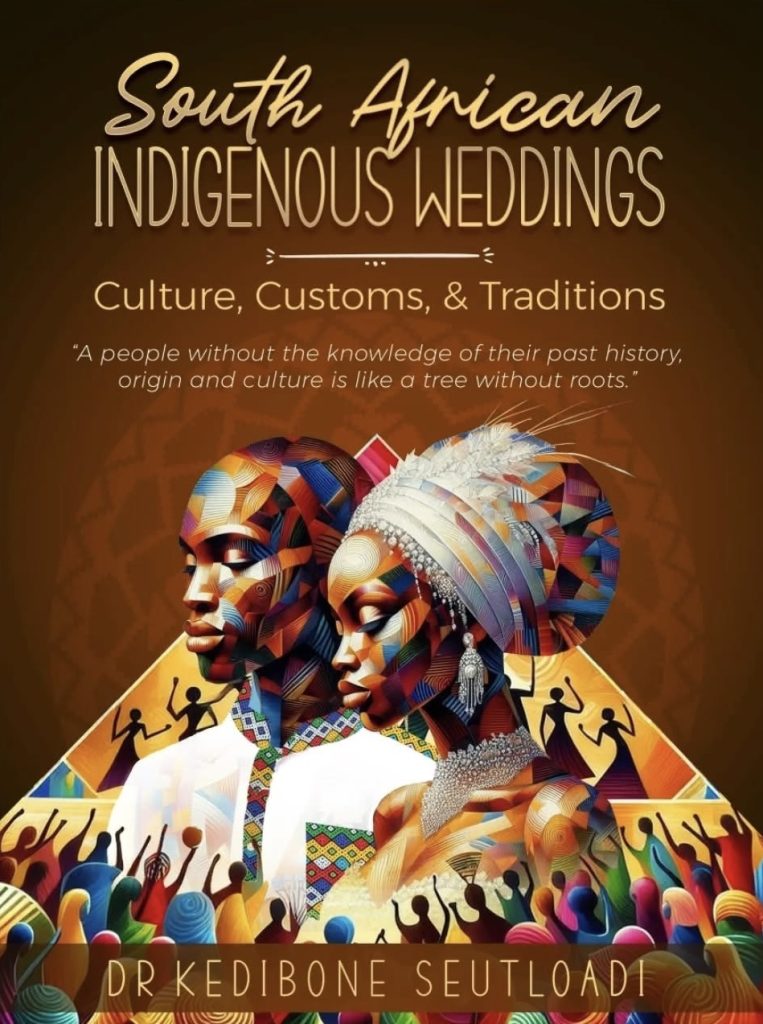
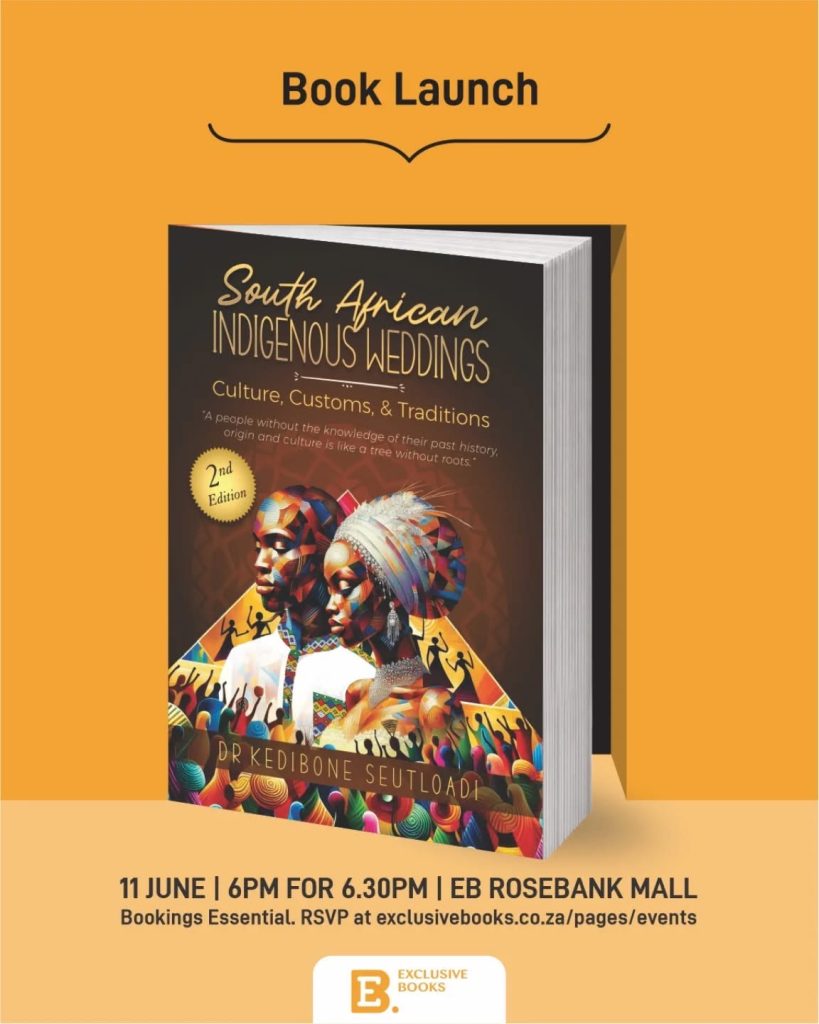
It was with this conviction that I recently welcomed educator, researcher and author Dr Kedibone Seutloadi to my radio jazz programme, Sunset Serenade, on 101.9 Chai FM. Our conversation centred on her book, South African Indigenous Weddings, but what unfolded was a much deeper exploration of identity, memory, belonging and the preservation of indigenous knowledge.
As I listened to Dr Seutloadi, I was reminded that culture is not merely what we inherit; it is what we choose to preserve and pass on.
Dr Seutloadi’s concern is one that resonates with many of us who have watched elders leave this world carrying libraries of unwritten knowledge with them. She spoke passionately about traditions that have never been formally documented and the danger that they may disappear as generations pass.
In many African communities, knowledge was never stored in books. It lived in conversations around the fire, in ceremonies, in rituals, in songs and in the wisdom of grandparents. Today, however, many young people find themselves disconnected from these reservoirs of knowledge, not because they are unwilling to learn, but because fewer custodians remain to teach them.
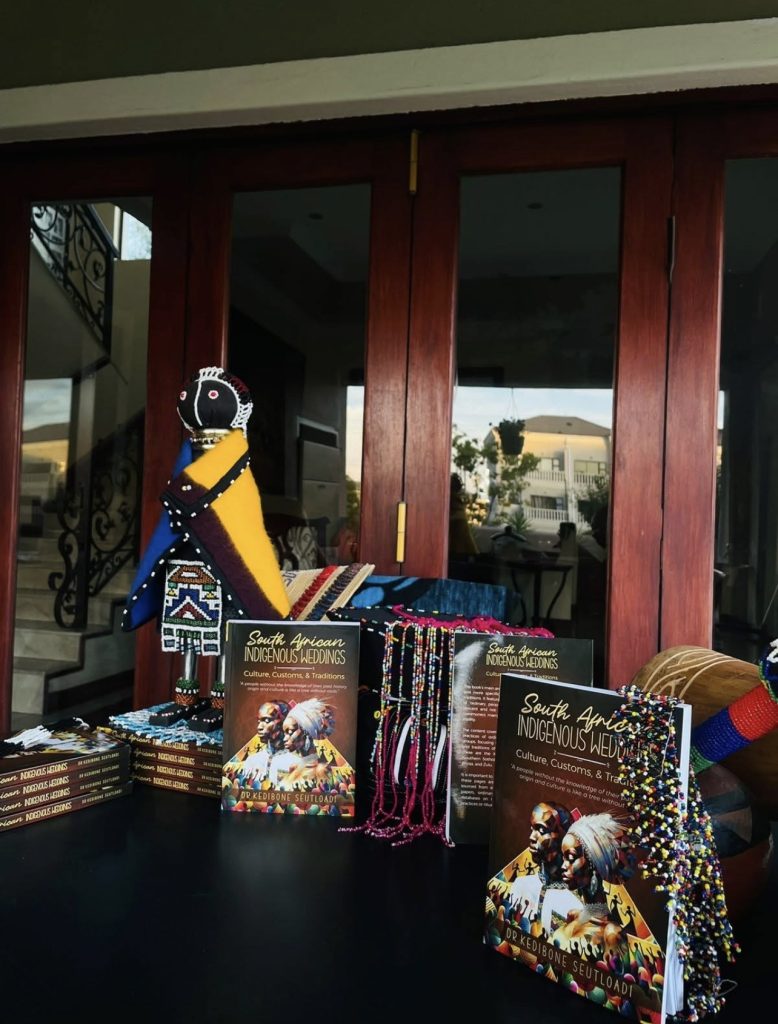
Her book is therefore more than a publication. It is an act of cultural preservation.
I found her personal story equally compelling. Her experiences have given her a unique appreciation of both cultural diversity and cultural continuity.
Our discussion inevitably turned to lobola, a subject that continues to generate vigorous debate across generations.
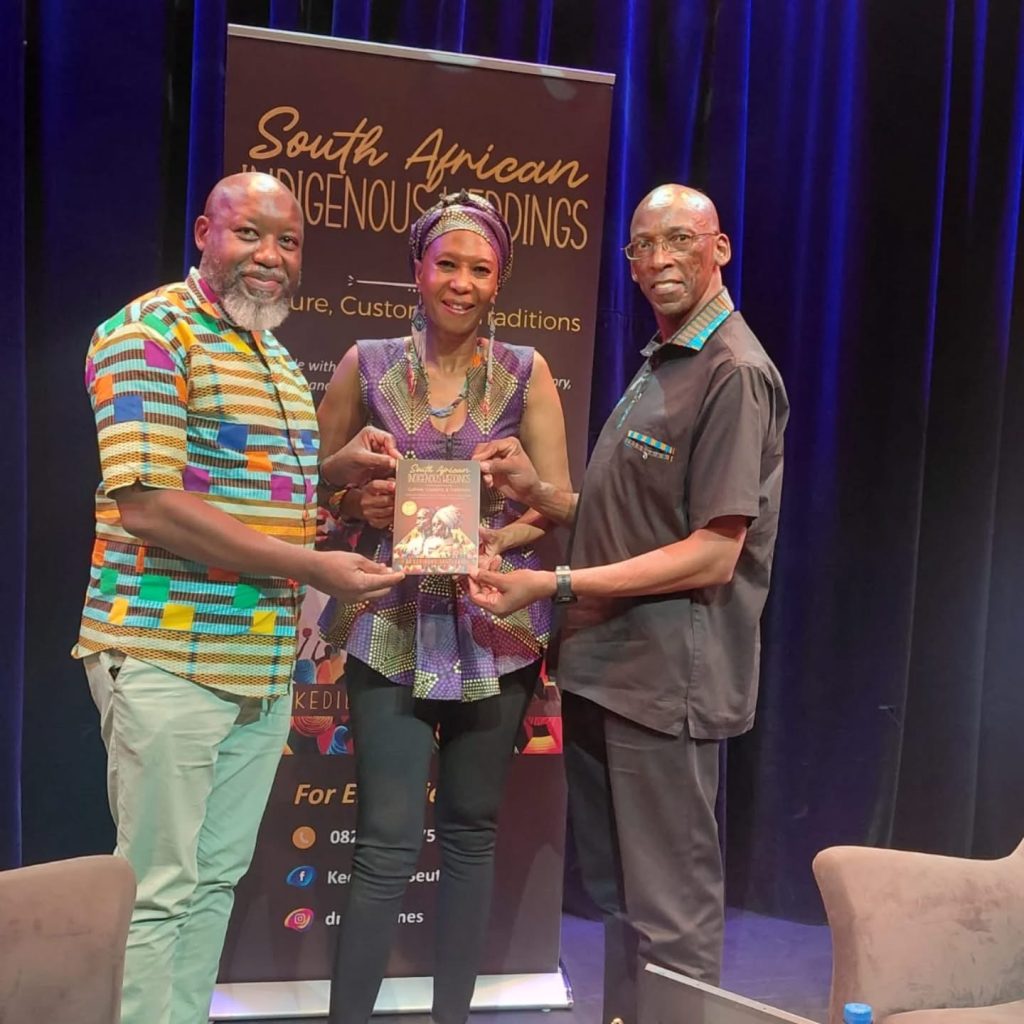
I approached the conversation not merely as an interviewer but as someone who has increasingly found himself entrusted with responsibilities traditionally reserved for elders. Much to my surprise, I am now regarded as one of the elders within the Molobi family and have participated in numerous lobola negotiations involving nieces and nephews.
Some of these unions have crossed not only ethnic boundaries but national and continental ones. A niece and a nephew married Europeans. Another niece married a Congolese gentleman. A nephew married into a Zimbabwean family. These experiences have taught me that while cultures may differ in their expressions, they share a common desire to honour relationships and build families.
One of the most fascinating aspects of our conversation concerned the role of the maternal uncle, or Malome, in marriage negotiations. English often struggles to capture the nuances embedded in African kinship systems. An “uncle” in English can refer to several different relatives, yet in African traditions each relationship carries distinct responsibilities and social meaning.
Dr Seutloadi explained that the maternal uncle traditionally assumes a leading role in negotiations because parents are often considered too emotionally invested to engage objectively. Negotiations require diplomacy, wisdom, patience and emotional intelligence. They are not merely discussions about marriage; they are conversations about the future relationship between families.
Listening to her explanation, I was reminded that African traditions are often more sophisticated than they are given credit for. What may appear to outsiders as a simple custom is frequently underpinned by a complex social philosophy designed to maintain harmony and balance.
Perhaps the most thought-provoking moment came when I deliberately asked a provocative question: Is lobola still necessary in contemporary society?
Dr Seutloadi’s response challenged one of the most persistent misconceptions surrounding the practice.
“We are not paying for anyone,” she insisted.
Those words stayed with me.
Too often, discussions about lobola are reduced to economics. Yet Dr Seutloadi reminded us that its original meaning lies elsewhere. It is an expression of gratitude, respect and accountability. It is a symbolic acknowledgement that a family is entrusting one of its most precious members to another family.
Her explanation moved the conversation away from the language of transaction and towards the language of relationship.
In many ways, that distinction lies at the heart of African philosophy itself. Human beings are not commodities. Relationships are not contracts. Families are not business arrangements. They are sacred bonds that connect individuals to communities and communities to generations.
What I appreciated most about Dr Seutloadi’s perspective was her ability to hold two truths simultaneously. She acknowledged that culture evolves. Yet she also argued that evolution should not be mistaken for abandonment.
Cultures adapt because societies change. However, adaptation does not require amnesia.
Indeed, one could argue that the greatest challenge facing modern African societies is not how to modernise but how to modernise without forgetting who we are.
This challenge becomes particularly important within the context of cross-cultural marriages, which continue to increase throughout South Africa and across the continent. From my own experience as a negotiator, I have learned that successful intercultural unions depend on mutual respect rather than cultural dominance.
When one family visits another, they enter a cultural space that deserves respect. When the visit is reciprocated, the same respect must be extended in return. This is not about superiority. It is about recognising that every culture possesses dignity and value.
Dr Seutloadi’s book celebrates precisely this principle. Although it focuses on South African indigenous wedding traditions, it also reveals the threads that connect communities across Africa. The customs may differ in detail, but the underlying values – respect, family, dignity, community and love – remain remarkably consistent.
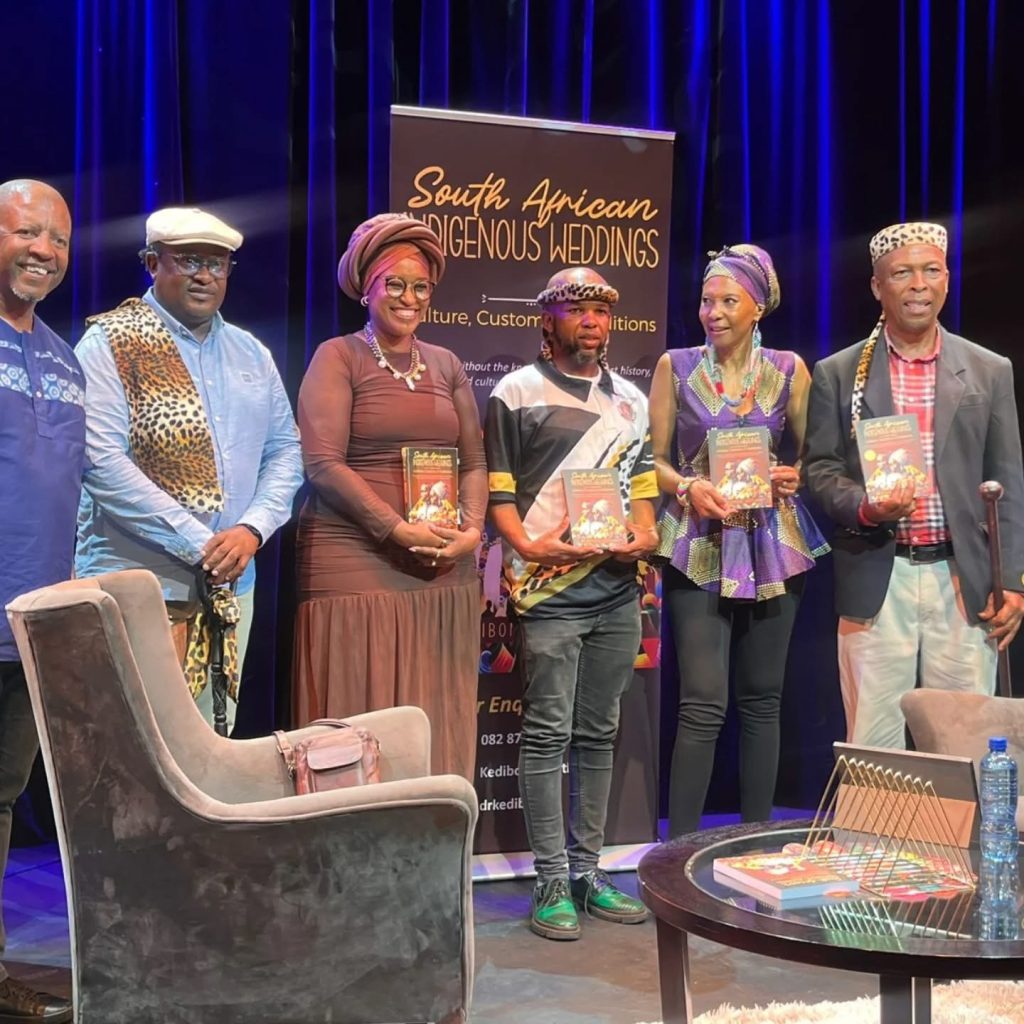
As our conversation drew to a close, Dr Seutloadi offered a message that extended far beyond marriage customs.
She urged us to learn about one another’s cultures, not necessarily to adopt them, but to understand them.
In a country as diverse as South Africa, that message could not be more timely.
Misunderstanding often arises from ignorance. Respect begins with knowledge. Social cohesion begins with curiosity.
When we understand why others do what they do, we become less fearful of difference and more appreciative of diversity.
As I reflect on our conversation, I am convinced that South African Indigenous Weddings is not merely a book about marriage traditions. It is a book about identity. It is a book about memory. It is a book about preserving the wisdom of our ancestors while preparing future generations for a rapidly changing world.
Most importantly, it reminds us that culture is not something we inherit automatically. It is something we must consciously nurture, protect and transmit.
In the end, perhaps that is why Dr Seutloadi describes her work as a love letter.
It is a love letter to our heritage.
It is a love letter to our families.
And ultimately, it is a love letter to future generations who deserve to know where they come from before they decide where they are going.
***
Please follow Dr Kedibone Seutloadi on Facebook and Instagram, and email her on kedibone@diabalwa.co.za