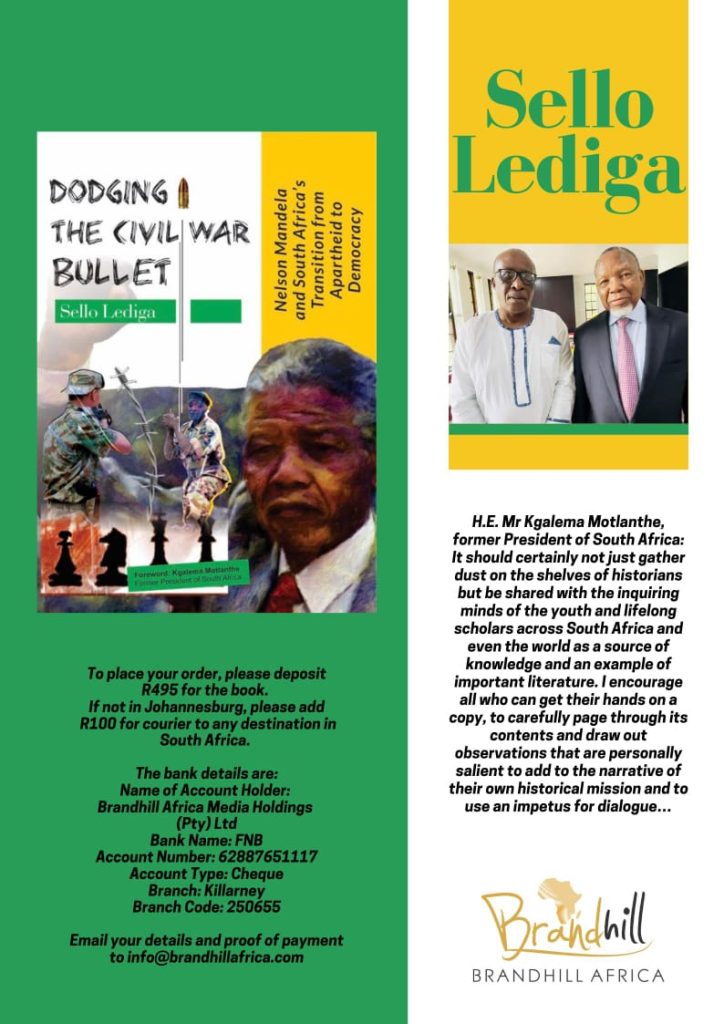
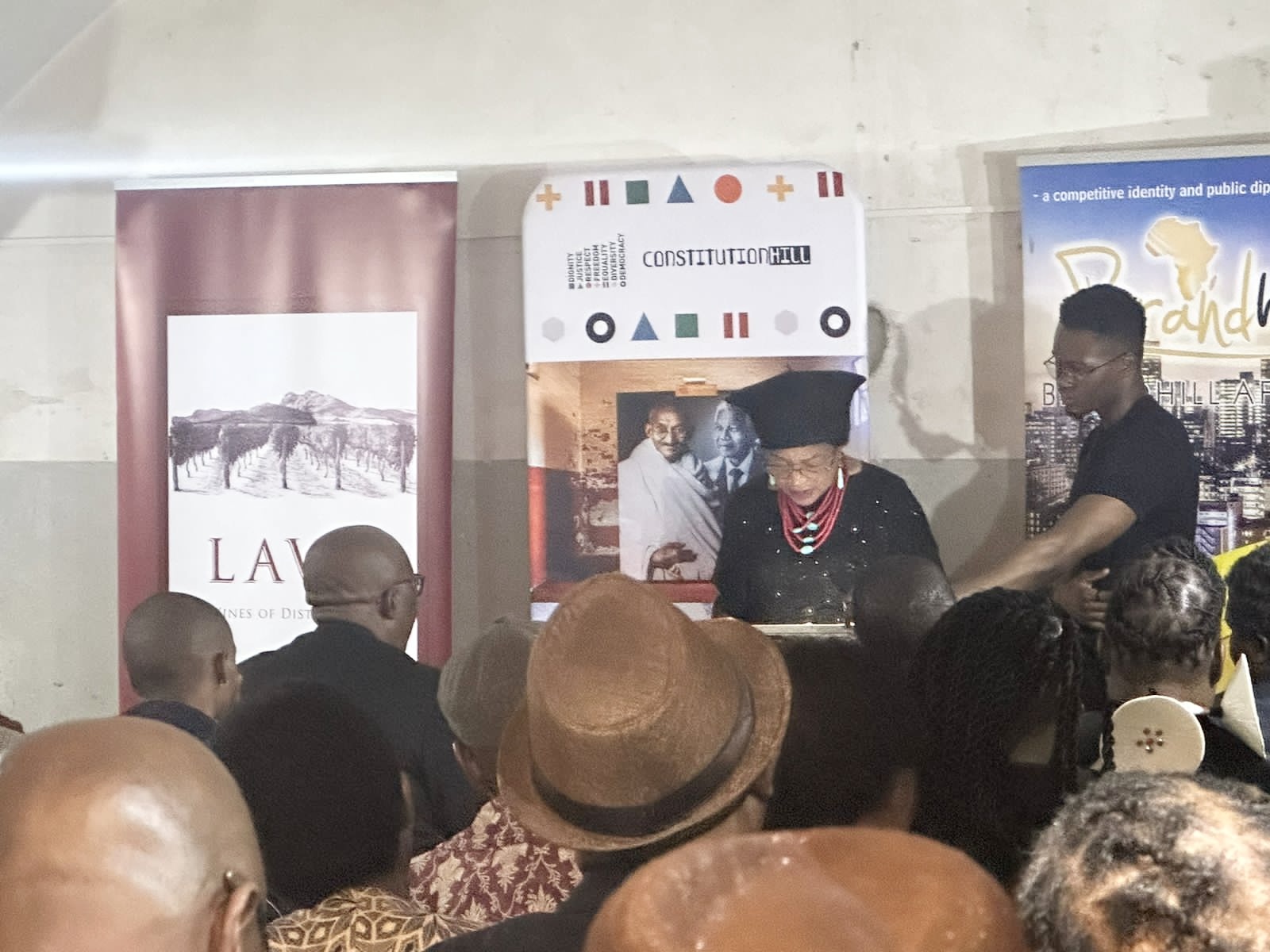
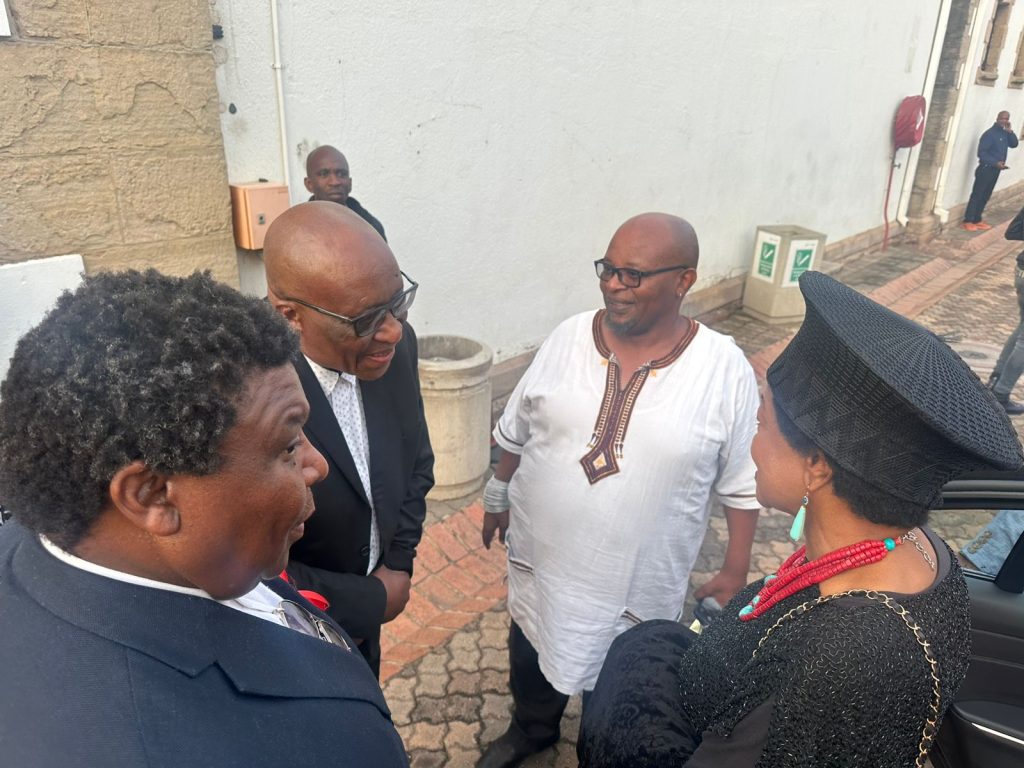
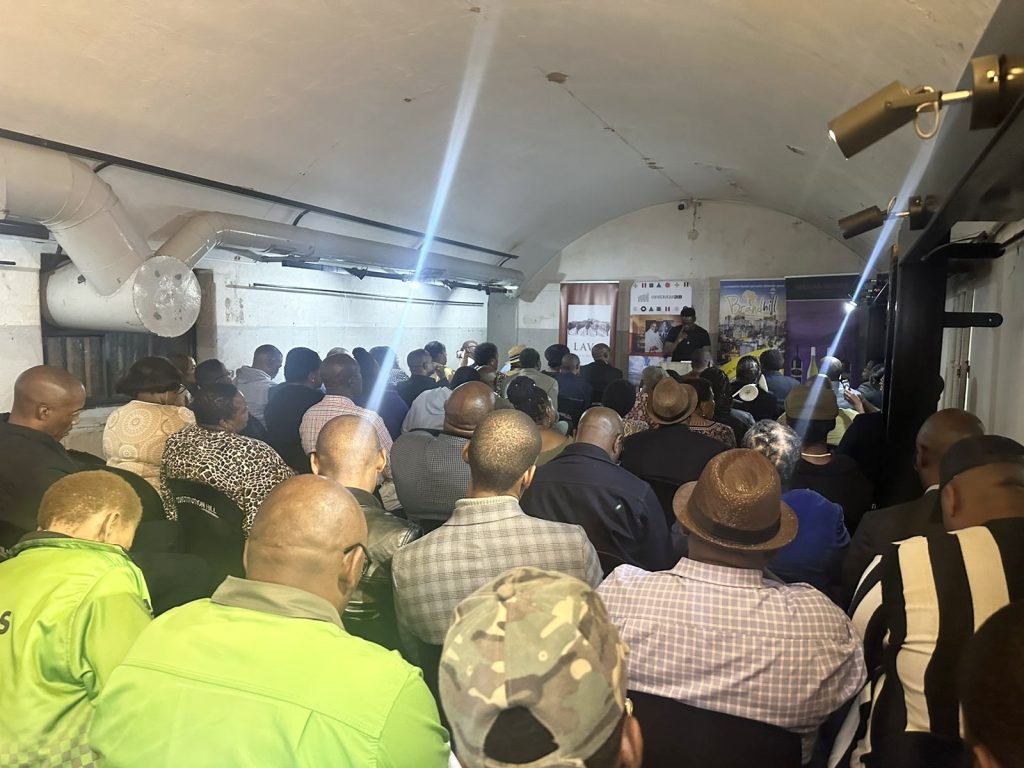
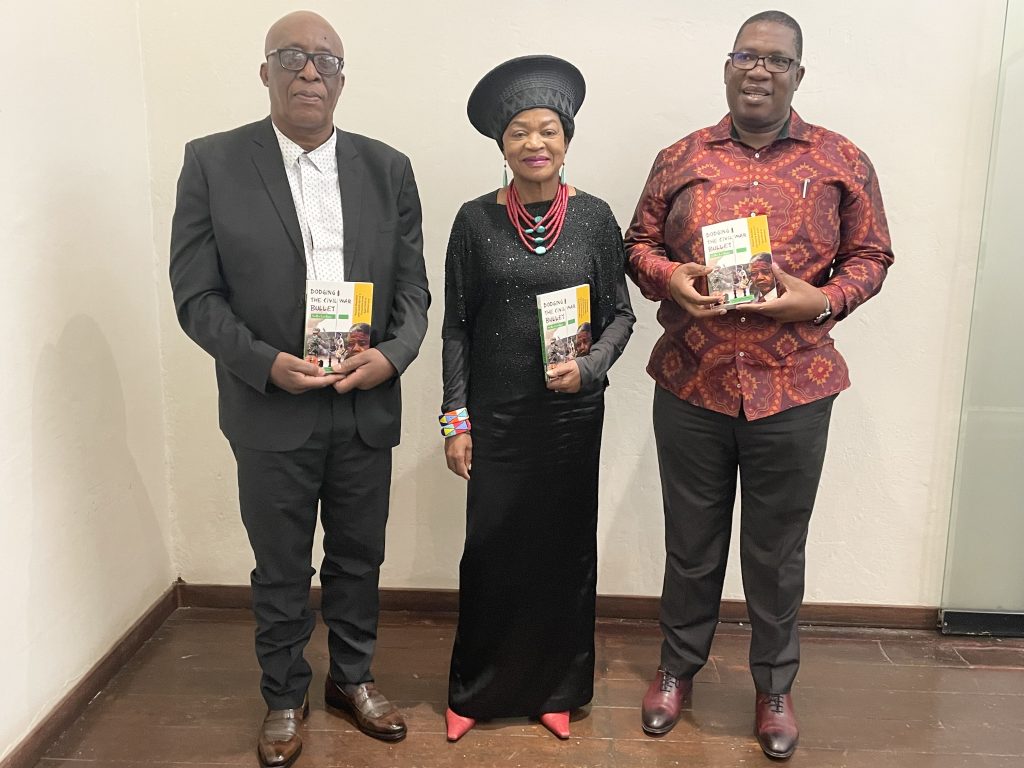
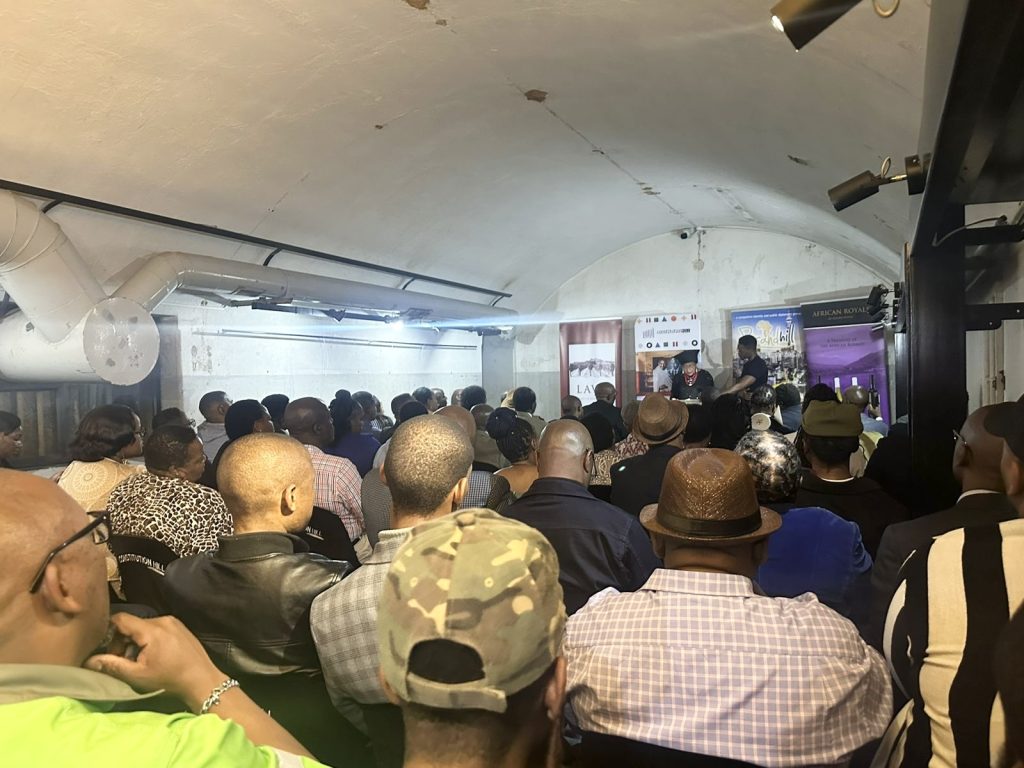
These are speaking notes of H.E. Baleka Mbete at the launch of Sello Lediga’s book, “Dodging the Civil War Bullet: Nelson Mandela and South Africa’s Transition from Apartheid to Democracy”, held on 12 April 2023 at the Constitution Hill in Johannesburg…
As sources of inspirartion for the remarks, I’ll list the following: Chapter 81 of Madiba’s “Long Walk to Freedom”; secondly Mkhuluwa’s (H.E. Kgalema Motlanthe) foreword to “Dodging the Civil War Bullet” by Sello Lediga (which we are launching tonight). In the body of the book, decades of events are covered that we went through, including the 1980s which trigger many memories. One of those which fit the definition “those who fell short of mention in the book…”; a third source is the first section of South Africa’s rule book, which lists the founding values of our democracy; a fourth source is a thought-provoking clip by a young man called (Penuel) Mlotshwa. Each of these are – in their own right – very rich in the diversity of issues for debates and matters thrown up that require our focused attention, that need to be unpacked so we can leave behind better clarity to shine the light on the way to the future.
Tata’s narration of his focus of choice, gardening and horticulture is revealing and certainly inspiring. Roots of a plant emerge as critical when leaders want a source of inspiration. We must always get back to the roots for answers to questions that life throws up. In different situations roots will be different things. In the case of an individual faced with a moment of a calamity of whatever nature, it is best for them to go HOME. Their source of peace, clarity and comfort will be immediately restored in most times because of their reconnection with their roots. Its human, ask any exile.
As Sello Lediga’s ably researched and narrated historical record shows, there were many intricate detailed conversations which were part of our country’s extremely delicate management of a transition from a colonial past to the current day democratic dispensation where there’s a free media and citizens have a guaranteed freedom of speech.
There was a time when the safety of the negotiators could not be guaranteed. In the most verkrampte parts of right wing white South African community circles the idea of negotiating with Blacks was unacceptable. The question is where are they now?
I quote a passage from President Kgalema Motlanthe’s foreword: “When reading ‘Dodging the Civil War Bullet’, and studying its pages for learnings, one should also take into account the importance of assessing the kind of omissions made which may compromise the lucidity of life and lessons in history. Leading opponents of apartheid were more than just leaders of organisations but also ordinary people with human traits as challenging as the dexterity between their own left- and right-handed intentions. And, perhaps to a greater degree, those discussed and those who fell short of mention in the book, arrived at their points of departure and intersection not by chance, but by the commitment and mettle of their convictions.”
The 1980s were a difficult pill to swallow. Inkomati Accord, us being thrown out of Mozambique, Matola raid, Lancaster House talks for Zimbabweans, Cuito Cuanavale: These are key moments in the 1980s which can be remembered as the darkest hours before, or on the eve of a negotiated settlement.

OR’s babysitting of the Harare Declaration, a historic blueprint for committing the South African protagonists. It was in the intensity of that work, leading up to and laying a foundation for the adoption of the final product that our leader OR got a stroke.
A look around the globe, current breaking news on television screens repeatedly pose questions. Questions on the quality of leadership required in order to take the correct decisions to respond appropriately in moments that are critical to the whole destiny of peoples, whether in Southern Africa, in Europe, or the Middle East.
When women rose above party political lines, they always found common ground. We bear life, nurture it and deliver it to earth. This is common ground women can always find. Throughout the country, the continent, the world including in Russia and Ukraine, in the Middle East.
I believe humankind could be much better led by what women have as the more human friendly perspective to how we conduct ourselves as humans.
As I paged through and browsed through Chapter 10 where the last moments of the old order are eloquently captured: the fall of Bophuthatswana; the handling of IFP issues with (Dikgang) Moseneke having to manage yet another threat from the elder to walk out of elections because of how his head looked weird on that ballot paper.
We have an important input to make: for a better social life and the future; whether for negotiations for democracy; or peace and security in our neighbourhoods. We are proud that one of the founding values is that a democratic order must not only be non-racial. It must be Non-Sexist.
In recent times we were left by a bright spark, the 43-year-old Zoleka Mandela. In the wake of her sad departure a series of matters were thrown up again needing attention. What are the many uncomfortable discussions which we owe ourselves in order to settle matters arising from our culturally decimated past. How many families find themselves in a wilderness when younger members ask the elders in the families what the correct thing to do is in their Clan? How are we going to restore boldly and give back dignity to our Indigenous Knowledge Systems as we hand over to the younger generation an appropriate legitimate lever to find their way into a better future? This is a relevant question and needs answers in this era of decolonisation.