
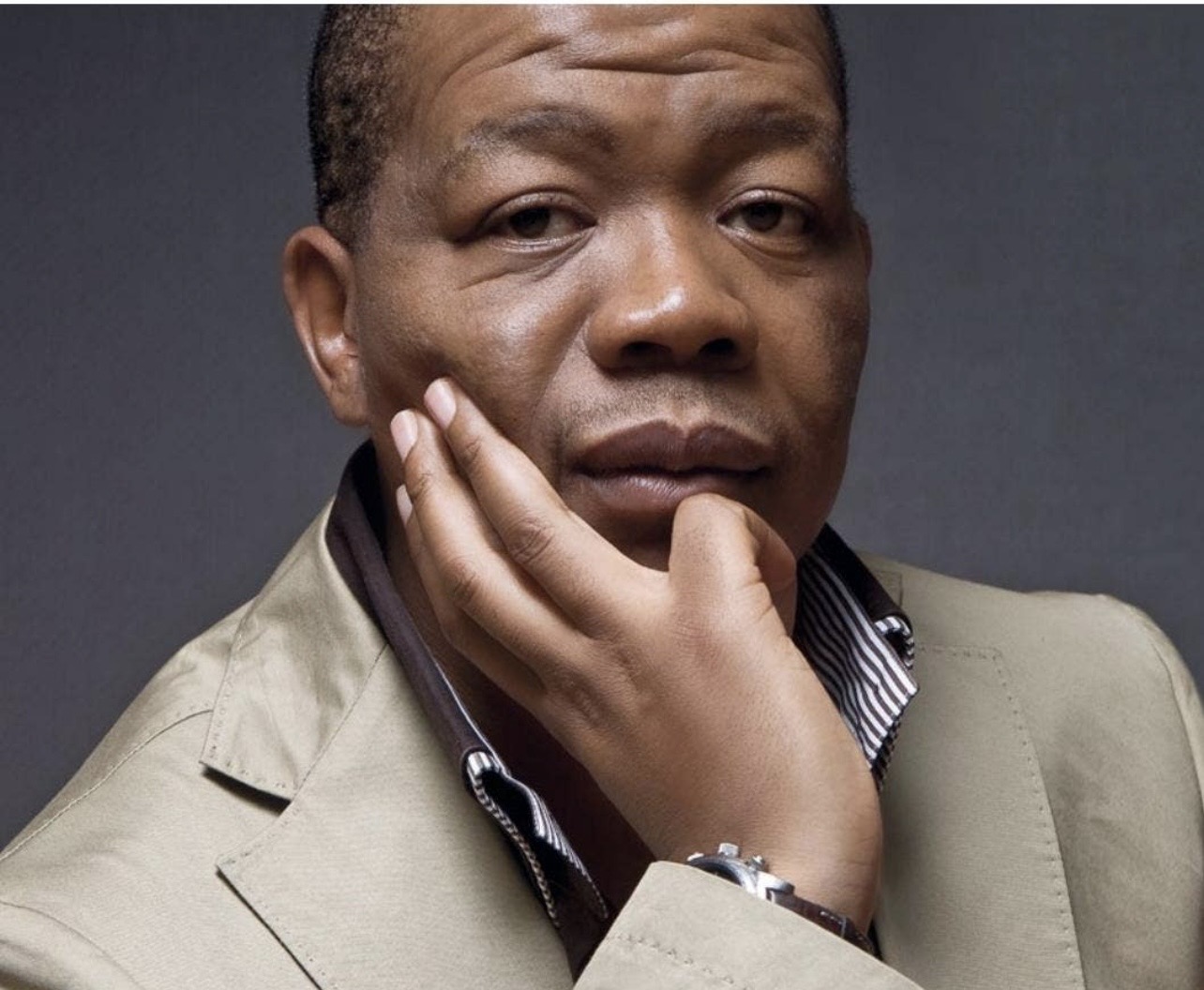
His central argument is that the SACP’s Conference of the Left is not yet a genuine conference of the left because it lacks ideological coherence, strategic unity, moral accountability and a clearly articulated programme for social transformation.

There is considerable truth in this assessment.

The South African left is fragmented.

The working class is fragmented.

Progressive forces are fragmented.

There is no single centre of political, intellectual or moral leadership capable of uniting workers, communities, intellectuals, youth, faith-based organisations and social movements behind a common programme of national transformation.

The Apostle is therefore correct when he argues that the gathering reflects the crisis of the left rather than its triumph.

Yet it is precisely this reality that compels engagement rather than withdrawal.

For the fundamental question before us is larger than the Conference of the Left itself.

The real question is whether South Africa’s democratic project can renew itself before institutional decline becomes irreversible.

The Crisis Is Systemic

The South African crisis can no longer be adequately understood as a crisis of leadership alone.

Nor is it simply a crisis of corruption.

Nor is it merely a crisis of policy.

It is increasingly a systemic crisis characterised by weakening institutions, declining implementation capacity, eroding public trust, and a widening gap between political aspiration and practical outcomes.

The symptoms are everywhere.

Economic stagnation.

Mass unemployment.

Energy insecurity.

Logistics failures.

Collapsing municipalities.

Educational decline.

Public health pressures.

Weak state capability.

The gradual erosion of confidence in democratic institutions.

What confronts us today is not a sectoral crisis.

It is a crisis of the system itself.

The centre is struggling to hold.

This reality imposes obligations upon all political tendencies, including the left.

It requires us to think beyond individual organisations and beyond the immediate contestations of party politics.

The question is no longer whether one agrees with every participant in a particular conference.

The question is whether sufficient social, political and intellectual forces can be assembled to arrest institutional decline and rebuild the capacity of the democratic state.

Lenin and the Duty to Engage

Lenin understood that political struggle does not occur under ideal conditions.

In Left-Wing Communism: An Infantile Disorder, he criticised those who preferred ideological isolation to political engagement.

His argument was not that principles should be abandoned.

It was that principles acquire meaning only when tested in practical political struggle.

History does not present revolutionaries with perfect allies, perfect institutions or perfect moments.

Politics is conducted amidst contradictions.

Movements are built among people who do not yet fully agree.

The task is not to wait for complete ideological unity before acting.

The task is to engage reality as it exists and help shape its future direction.

The Conference of the Left may well be incomplete.

It may be contradictory.

It may be ideologically uneven.

But that alone does not justify disengagement.

On the contrary, it may be precisely why engagement is necessary.

Gramsci and the Historic Bloc

Antonio Gramsci deepened this insight.

For Gramsci, social transformation requires the construction of what he termed a historic bloc—a broad alliance capable of exercising moral, intellectual and political leadership across society.

Such alliances are never born fully formed.

They emerge through dialogue, contestation, persuasion and practical cooperation.

They bring together workers, intellectuals, civic formations, faith communities, youth organisations and progressive social forces around a common project.

South Africa’s current crisis demands precisely this type of political imagination.

No single organisation possesses sufficient social weight to resolve the country’s systemic challenges.

Not the ANC.

Not the SACP.

Not the trade union movement.

Not civil society.

Not business.

Not faith-based organisations.

The scale of the crisis requires broader social convergence.

Beyond the Conference of the Left

This is why the Conference of the Left should not be viewed in isolation.

Nor should it be judged solely by whether it immediately produces ideological coherence.

It should instead be located within a broader landscape of attempts to renew South African society.

The National Dialogue.

The ANC’s own renewal project.

Efforts to rebuild local government.

Civil society initiatives.

Academic and policy interventions.

Community mobilisation.

Faith-based engagement.

Each represents an imperfect response to a common reality: a growing recognition that the existing trajectory is unsustainable.

None of these initiatives is sufficient on its own.

All contain contradictions.

All face credibility challenges.

Yet collectively they reflect a society searching for pathways out of crisis.

The question before progressives is whether they will contribute to these processes or stand aside from them.

The Moral Imperative of Renewal

Apostle Zondi is right to insist upon accountability.

There can be no renewal without honest reflection.

There can be no restoration without acknowledging mistakes.

There can be no credible future without confronting difficult truths about the past.

But accountability must not become paralysis.

Confession must lead to action.

Self-examination must lead to reconstruction.

The unemployed cannot eat our critiques.

The poor cannot survive on declarations.

The excluded cannot build their futures upon endless debates about organisational purity.

They require institutions that function.

Communities that work.

Schools that educate.

Hospitals that heal.

Municipalities that deliver.

An economy capable of creating jobs and restoring dignity.

These outcomes require political agency.

They require organisation.

They require collective effort.

The Hour Requires Action

I confess that I approach many contemporary political initiatives with caution.

Conferences alone do not change societies.

Declarations do not build movements.

Resolutions do not create jobs.

Yet scepticism cannot become an excuse for inaction.

The crisis confronting South Africa is too profound.

The institutional drift is too advanced.

The social costs are too severe.

The hour and the moment require us to act.

Not because every initiative is perfect.

Not because every participant is beyond criticism.

Not because all contradictions have been resolved.

But because the alternative is continued fragmentation while the social fabric continues to deteriorate.

History may ultimately judge the Conference of the Left as successful or unsuccessful.

That remains to be seen.

What matters now is the willingness of progressive forces to engage in the difficult work of rebuilding social trust, renewing institutions, strengthening democratic capacity and advancing the interests of the poor and the working class.

The challenge before us is therefore not whether the Conference of the Left has already become the movement South Africa needs.

The challenge is whether it can become part of the broader process through which South Africa renews itself.

The poor cannot wait for perfect conditions.

The working class cannot wait for perfect unity.

The Republic cannot wait for perfect leadership.

The responsibility of our generation is to engage, to build, to reform and to renew.

For if the centre is to hold, it will not do so by accident.

It will do so because enough South Africans, from different traditions and perspectives, chose action over withdrawal and renewal over despair.

Rich Moloko Study Group- CSR

The Hour Requires Engagement, Not Withdrawal

A Response to Apostle M. Zondi and the Crisis of the South African Left

Apostle M. Zondi’s intervention deserves serious reflection.

His central argument is that the SACP’s Conference of the Left is not yet a genuine conference of the left because it lacks ideological coherence, strategic unity, moral accountability and a clearly articulated programme for social transformation.

There is considerable truth in this assessment.

The South African left is fragmented.

The working class is fragmented.

Progressive forces are fragmented.

There is no single centre of political, intellectual or moral leadership capable of uniting workers, communities, intellectuals, youth, faith-based organisations and social movements behind a common programme of national transformation.

The Apostle is therefore correct when he argues that the gathering reflects the crisis of the left rather than its triumph.

Yet it is precisely this reality that compels engagement rather than withdrawal.

For the fundamental question before us is larger than the Conference of the Left itself.

The real question is whether South Africa’s democratic project can renew itself before institutional decline becomes irreversible.

The Crisis Is Systemic

The South African crisis can no longer be adequately understood as a crisis of leadership alone.

Nor is it simply a crisis of corruption.

Nor is it merely a crisis of policy.

It is increasingly a systemic crisis characterised by weakening institutions, declining implementation capacity, eroding public trust, and a widening gap between political aspiration and practical outcomes.

The symptoms are everywhere.

Economic stagnation.

Mass unemployment.

Energy insecurity.

Logistics failures.

Collapsing municipalities.

Educational decline.

Public health pressures.

Weak state capability.

The gradual erosion of confidence in democratic institutions.

What confronts us today is not a sectoral crisis.

It is a crisis of the system itself.

The centre is struggling to hold.

This reality imposes obligations upon all political tendencies, including the left.

It requires us to think beyond individual organisations and beyond the immediate contestations of party politics.

The question is no longer whether one agrees with every participant in a particular conference.

The question is whether sufficient social, political and intellectual forces can be assembled to arrest institutional decline and rebuild the capacity of the democratic state.

Lenin and the Duty to Engage

Lenin understood that political struggle does not occur under ideal conditions.

In Left-Wing Communism: An Infantile Disorder, he criticised those who preferred ideological isolation to political engagement.

His argument was not that principles should be abandoned.

It was that principles acquire meaning only when tested in practical political struggle.

History does not present revolutionaries with perfect allies, perfect institutions or perfect moments.

Politics is conducted amidst contradictions.

Movements are built among people who do not yet fully agree.

The task is not to wait for complete ideological unity before acting.

The task is to engage reality as it exists and help shape its future direction.

The Conference of the Left may well be incomplete.

It may be contradictory.

It may be ideologically uneven.

But that alone does not justify disengagement.

On the contrary, it may be precisely why engagement is necessary.

Gramsci and the Historic Bloc

Antonio Gramsci deepened this insight.

For Gramsci, social transformation requires the construction of what he termed a historic bloc—a broad alliance capable of exercising moral, intellectual and political leadership across society.

Such alliances are never born fully formed.

They emerge through dialogue, contestation, persuasion and practical cooperation.

They bring together workers, intellectuals, civic formations, faith communities, youth organisations and progressive social forces around a common project.

South Africa’s current crisis demands precisely this type of political imagination.

No single organisation possesses sufficient social weight to resolve the country’s systemic challenges.

Not the ANC.

Not the SACP.

Not the trade union movement.

Not civil society.

Not business.

Not faith-based organisations.

The scale of the crisis requires broader social convergence.

Beyond the Conference of the Left

This is why the Conference of the Left should not be viewed in isolation.

Nor should it be judged solely by whether it immediately produces ideological coherence.

It should instead be located within a broader landscape of attempts to renew South African society.

The National Dialogue.

The ANC’s own renewal project.

Efforts to rebuild local government.

Civil society initiatives.

Academic and policy interventions.

Community mobilisation.

Faith-based engagement.

Each represents an imperfect response to a common reality: a growing recognition that the existing trajectory is unsustainable.

None of these initiatives is sufficient on its own.

All contain contradictions.

All face credibility challenges.

Yet collectively they reflect a society searching for pathways out of crisis.

The question before progressives is whether they will contribute to these processes or stand aside from them.

The Moral Imperative of Renewal

Apostle Zondi is right to insist upon accountability.

There can be no renewal without honest reflection.

There can be no restoration without acknowledging mistakes.

There can be no credible future without confronting difficult truths about the past.

But accountability must not become paralysis.

Confession must lead to action.

Self-examination must lead to reconstruction.

The unemployed cannot eat our critiques.

The poor cannot survive on declarations.

The excluded cannot build their futures upon endless debates about organisational purity.

They require institutions that function.

Communities that work.

Schools that educate.

Hospitals that heal.

Municipalities that deliver.

An economy capable of creating jobs and restoring dignity.

These outcomes require political agency.

They require organisation.

They require collective effort.

The Hour Requires Action

I confess that I approach many contemporary political initiatives with caution.

Conferences alone do not change societies.

Declarations do not build movements.

Resolutions do not create jobs.

Yet scepticism cannot become an excuse for inaction.

The crisis confronting South Africa is too profound.

The institutional drift is too advanced.

The social costs are too severe.

The hour and the moment require us to act.

Not because every initiative is perfect.

Not because every participant is beyond criticism.

Not because all contradictions have been resolved.

But because the alternative is continued fragmentation while the social fabric continues to deteriorate.

History may ultimately judge the Conference of the Left as successful or unsuccessful.

That remains to be seen.

What matters now is the willingness of progressive forces to engage in the difficult work of rebuilding social trust, renewing institutions, strengthening democratic capacity and advancing the interests of the poor and the working class.

The challenge before us is therefore not whether the Conference of the Left has already become the movement South Africa needs.

The challenge is whether it can become part of the broader process through which South Africa renews itself.

The poor cannot wait for perfect conditions.

The working class cannot wait for perfect unity.

The Republic cannot wait for perfect leadership.

The responsibility of our generation is to engage, to build, to reform and to renew.

For if the centre is to hold, it will not do so by accident.

It will do so because enough South Africans, from different traditions and perspectives, chose action over withdrawal and renewal over despair.

Rich Moloko Study Group- CSR