
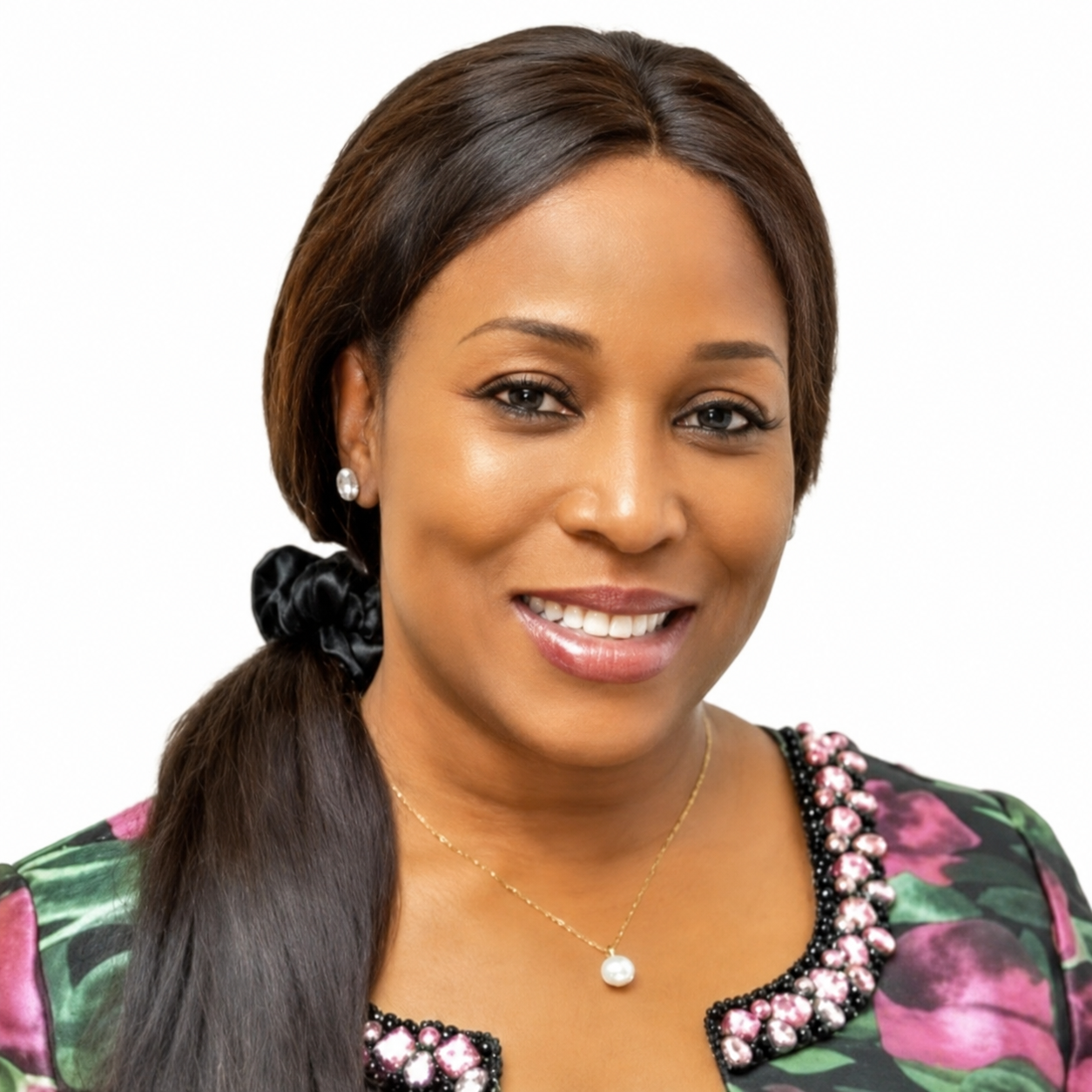
By Saul Molobi
“A nation’s reputation is no longer built solely in the corridors of power. It is shaped in boardrooms, cultural festivals, investment summits, universities, digital platforms and in the everyday interactions between its citizens and the world.”
As Africa moves steadily towards deeper economic integration under the African Continental Free Trade Area (AfCFTA), diplomacy itself is undergoing a profound transformation. The modern African diplomat is no longer simply a negotiator of treaties or custodian of protocol. Increasingly, ambassadors are expected to become nation brand architects, investment ambassadors, cultural champions and strategic communicators.
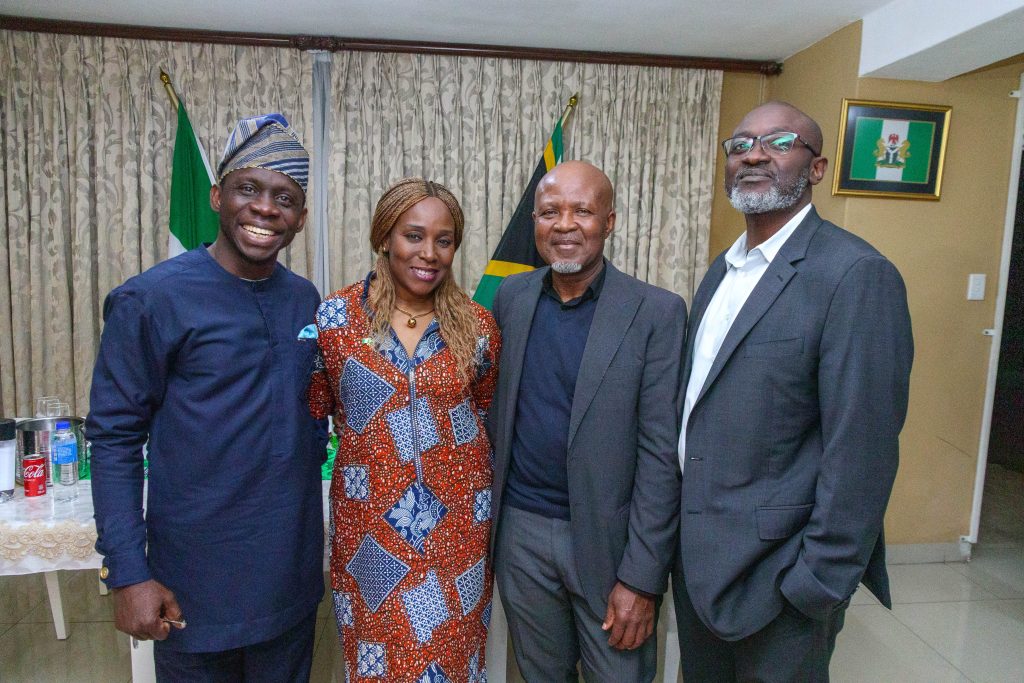
Few embody this evolution more convincingly than Amb (Mrs) Ninikanwa O. Okey-Uche, mni, Nigeria’s Consul General in Johannesburg, South Africa.
At a time when global perceptions increasingly influence investment decisions, tourism flows, trade opportunities and geopolitical influence, Amb Okey-Uche has emerged as one of the leading faces of Nigeria’s renewed public diplomacy. Her mission extends far beyond the traditional responsibilities of consular administration. It is about shaping narratives, strengthening confidence in Nigeria’s future, promoting African solidarity and positioning the continent’s largest economy as an indispensable partner in Africa’s growth story.
Her leadership reflects a simple but profound truth: in the twenty-first century, every successful diplomat is also a nation brand manager.
A childhood shaped by leadership
Born on 30 May 1972 in Enugu State, Nigeria, Amb Okey-Uche grew up in a household where public service was not merely admired – it was lived.
She is the second of five children born to Nze Herbert Chikwe and Amb Dr Kema Chikwe, one of Nigeria’s most respected diplomats, former Cabinet Minister and distinguished public servant. From an early age, she observed diplomacy not simply as a profession but as an instrument for national development, international cooperation and peacebuilding.
Although proudly rooted in Emekuku, Owerri North Local Government Area of Imo State, her upbringing was decidedly international, exposing her to diverse cultures long before she entered professional diplomacy.
That global outlook would become one of the defining characteristics of her career.
Educated for a global stage
Amb Okey-Uche’s educational journey mirrors the international perspective that now characterises her diplomatic work.
Her formative years were spent in the United Kingdom, where she attended Ashdown House Preparatory School in Sussex before completing her secondary education at the prestigious Roedean School in Brighton.
Returning home to Nigeria, she earned a Bachelor of Arts (Honours) Degree in Foreign Languages from the University of Benin in 1993, laying the linguistic and cultural foundation that would later distinguish her diplomatic engagements.
Determined to deepen her expertise, she obtained a Postgraduate Diploma in International Relations and Diplomacy from the Foreign Service Academy in Lagos before pursuing postgraduate studies in Europe.
In 2005 she graduated with Distinction from the European Centre for International and Strategic Studies (CERIS) in Brussels with a Master’s Degree in International Politics — a qualification that strengthened her understanding of global governance during an era of profound geopolitical transformation.
Believing in the principle of lifelong learning, she is currently pursuing a Doctor of Philosophy in Security and Strategic Studies at Nasarawa State University, recognising that diplomacy in today’s world demands continuous intellectual renewal.
The making of a career diplomat
Some diplomats are appointed. Others are made through decades of service. Amb Okey-Uche belongs firmly to the latter category.
Her diplomatic journey began during her National Youth Service Corps assignment at Nigeria’s Presidential Villa (Aso Rock), where she served as a Protocol Officer. Her professionalism quickly earned recognition, leading to her appointment into the Ministry of Foreign Affairs.
Over the next three decades she would steadily build an impressive portfolio of responsibilities at the highest levels of government.
She served as Personal Assistant to the Honourable Minister of Foreign Affairs, Special Assistant to the Special Adviser to the President on Political Matters, Assistant Director of Protocol to the Vice President and later Special Assistant (Operations and General Liaison) to the President.
These appointments placed her at the very centre of Nigeria’s executive governance during the administrations of President Sani Abacha, President Umaru Musa Yar’Adua and Vice President Goodluck Jonathan.
Working at this level demanded discretion, strategic judgement, diplomatic tact and an exceptional understanding of international protocol – qualities that have become hallmarks of her leadership.
A diplomat without Borders
Diplomatic careers are often measured by the capitals in which they serve. Amb Okey-Uche’s career spans some of the world’s most strategically important diplomatic centres.
Her postings have included Brussels, with concurrent accreditation to Luxembourg, The Hague, New York and Beijing, where she served as Minister at Nigeria’s Embassy.
These assignments exposed her to a wide spectrum of international institutions and negotiations, from the African, Caribbean and Pacific Group–European Union partnership to the Organisation for the Prohibition of Chemical Weapons and the United Nations system.
Collectively, these experiences cultivated a diplomat equally comfortable engaging ministers, international organisations, development agencies, investors, academics and civil society leaders.
They also reinforced an understanding that diplomacy succeeds when relationships are built on trust, credibility and mutual respect.
Johannesburg: Where diplomacy meets nation branding
If Brussels refined her multilateral instincts and Beijing expanded her geopolitical perspective, Johannesburg has become the stage upon which Amb Okey-Uche is helping redefine Nigeria’s continental engagement.
Johannesburg is critical. It could be described as the economic capital of Africa. It is the capital of Gauteng Province which is at 35% the highest contributor to South Africa’s GDP – and this provincial GDP is the seventh highest in the continent.
South Africa remains one of Nigeria’s most significant strategic partners. Together, the two countries account for a substantial share of Africa’s economic output, diplomatic influence and cultural production.
Yet the relationship between Nigeria and South Africa has not always been without complexity. As Africa’s two largest economies and among its most influential political actors, both countries have occasionally experienced periods of diplomatic tension arising from migration challenges, isolated incidents of xenophobic violence, trade disagreements and public perceptions that have, at times, overshadowed an otherwise deep and enduring strategic partnership.
It is precisely within this demanding environment that Amb Okey-Uche’s diplomatic leadership has been most evident.
Rather than allowing moments of tension to define bilateral relations, she has consistently advanced a diplomacy anchored in dialogue, mutual respect and the pursuit of shared African prosperity. Her approach recognises that disagreements between sister nations are inevitable, but they should never eclipse the broader historical, political and economic interests that bind them together.
One of the defining tests of her tenure has been navigating the complex migration landscape in South Africa. Against a backdrop of heightened public debate around migration, unemployment and social cohesion, Amb Okey-Uche has approached consular responsibilities with precision, compassion and political clarity. While steadfastly protecting the rights and dignity of Nigerian nationals, she has equally emphasised respect for South Africa’s sovereignty and the importance of complying with the country’s immigration and legal frameworks.
Under her leadership, the Nigerian Consulate-General in Johannesburg has strengthened its consular outreach, ensuring that citizens requiring assistance receive timely support and guidance. For Nigerian nationals who voluntarily chose to return home, the Consulate-General in Johannesburg, together with their High Commission in Pretoria, coordinated and facilitated the necessary consular processes for their repatriation, ensuring that they were treated with dignity and that their return was conducted in an orderly and humane manner. Throughout these efforts, Amb Okey-Uche has maintained that the primary responsibility of a diplomatic mission is not only to protect its citizens abroad but also to provide practical assistance during moments of uncertainty and vulnerability.
Significantly, she has resisted narratives that seek to define Nigeria–South Africa relations solely through the prism of migration or periodic diplomatic disagreements. Instead, she has consistently articulated a broader and more enduring vision – one rooted in the shared aspirations of the African continent.
In Amb Okey-Uche’s view, the measure of diplomatic success is not the absence of challenges, but the ability to navigate them with wisdom, empathy and strategic vision. It is this steady, principled leadership that has enabled her to transform moments of difficulty into opportunities for renewed dialogue, reaffirming that the partnership between Nigeria and South Africa remains one of the cornerstones of Africa’s political, economic and diplomatic future.
Against this backdrop, Amb Okey-Uche has pursued a diplomacy centred on dialogue, partnership and shared African prosperity.
Her work illustrates the growing importance of economic diplomacy – using diplomatic missions as catalysts for investment promotion, trade facilitation, business networking and commercial partnerships.
Increasingly, embassies and consulates are becoming economic gateways rather than merely political outposts.
Under her stewardship, the Nigerian Consulate has actively encouraged stronger commercial engagement between Nigerian and South African businesses while promoting opportunities across manufacturing, technology, creative industries, education, tourism and services.
In doing so, she contributes not only to bilateral relations but also to the broader ambitions of the African Continental Free Trade Area.
Culture as soft power
Amb Okey-Uche also understands that economic partnerships flourish where people understand one another. This is where cultural diplomacy becomes indispensable.
Nigeria possesses one of the world’s most vibrant creative economies. From Nollywood and Afrobeats to literature, fashion, cuisine and visual arts, the country’s cultural influence extends far beyond its borders.
Rather than viewing culture as entertainment alone, Ambassador Okey-Uche recognises it as an instrument of strategic influence – a form of soft power capable of opening markets, strengthening trust and reshaping perceptions.
Every cultural exchange, business forum, literary dialogue, youth programme and community engagement becomes another opportunity to tell a more complete Nigerian story. It is diplomacy conducted not through speeches alone but through shared human experience.
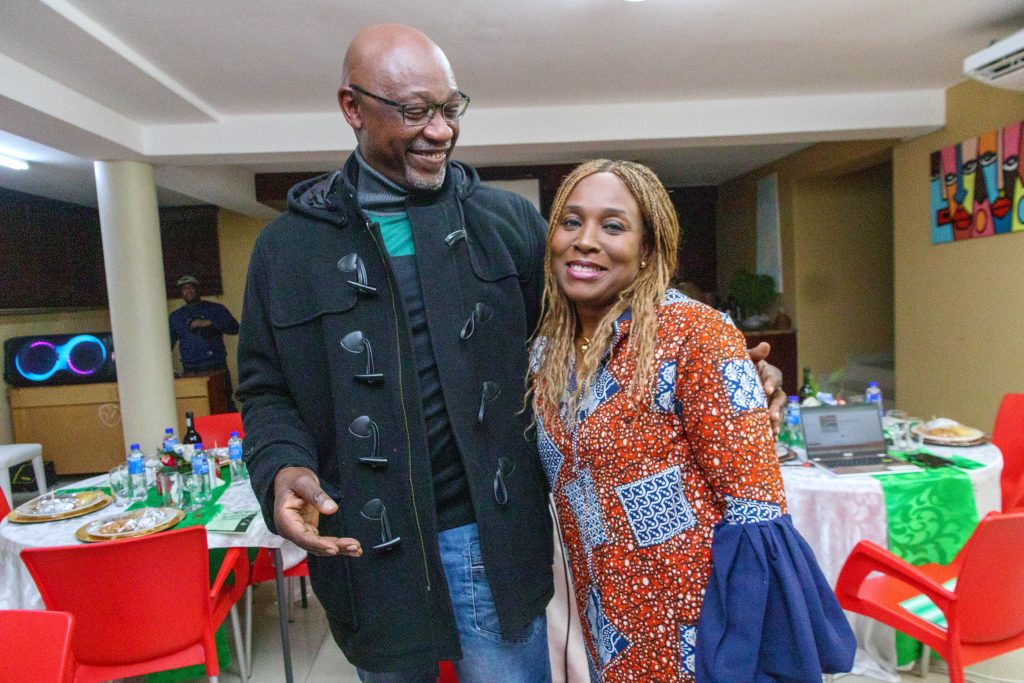
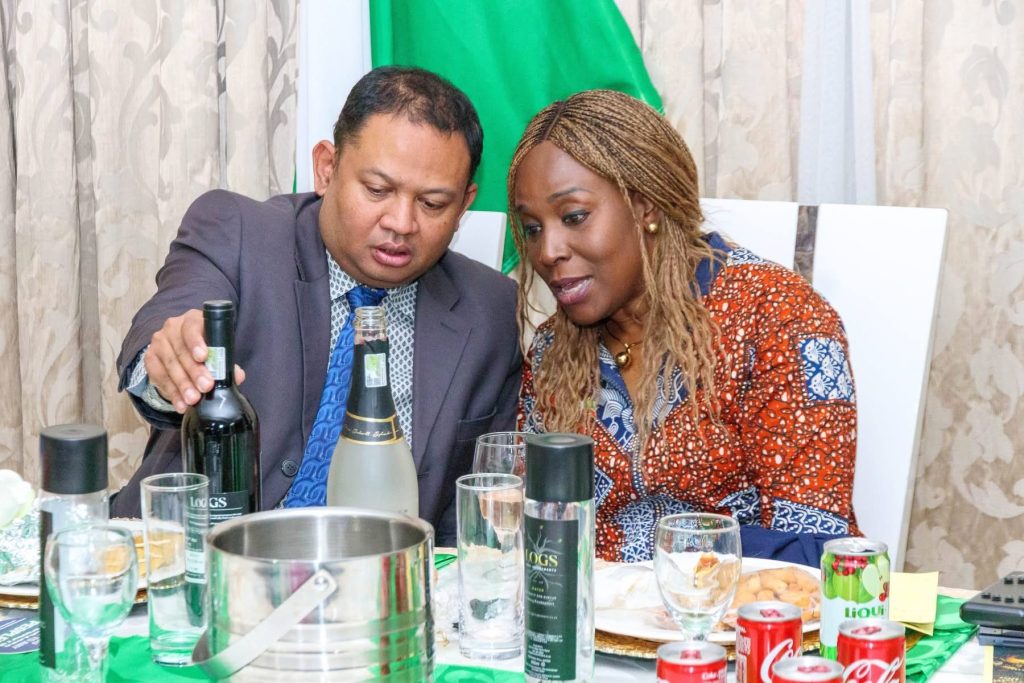
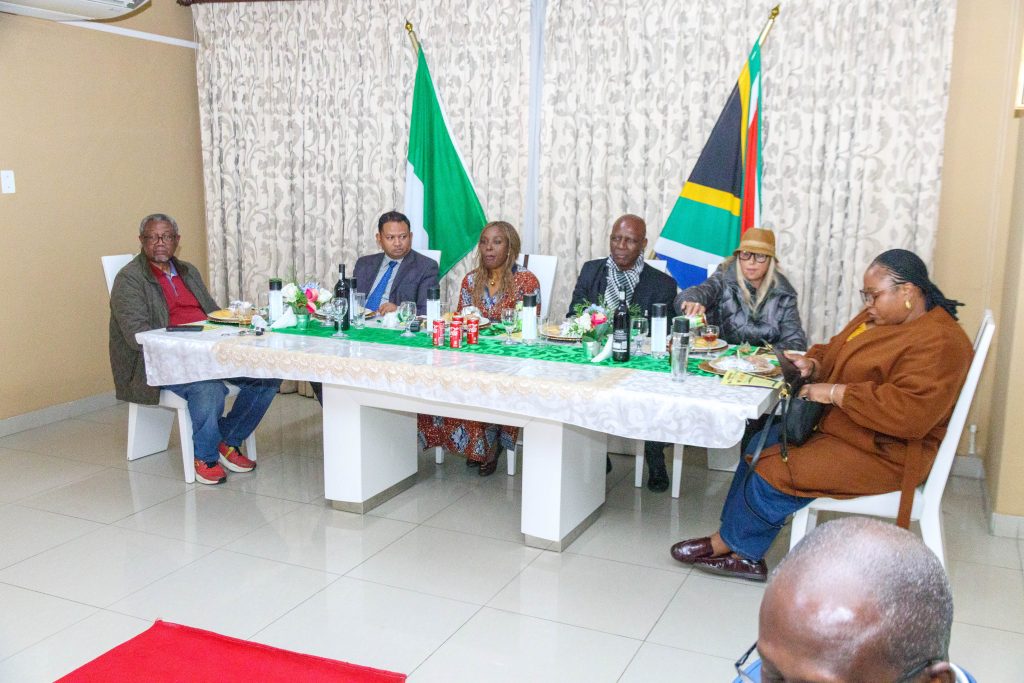
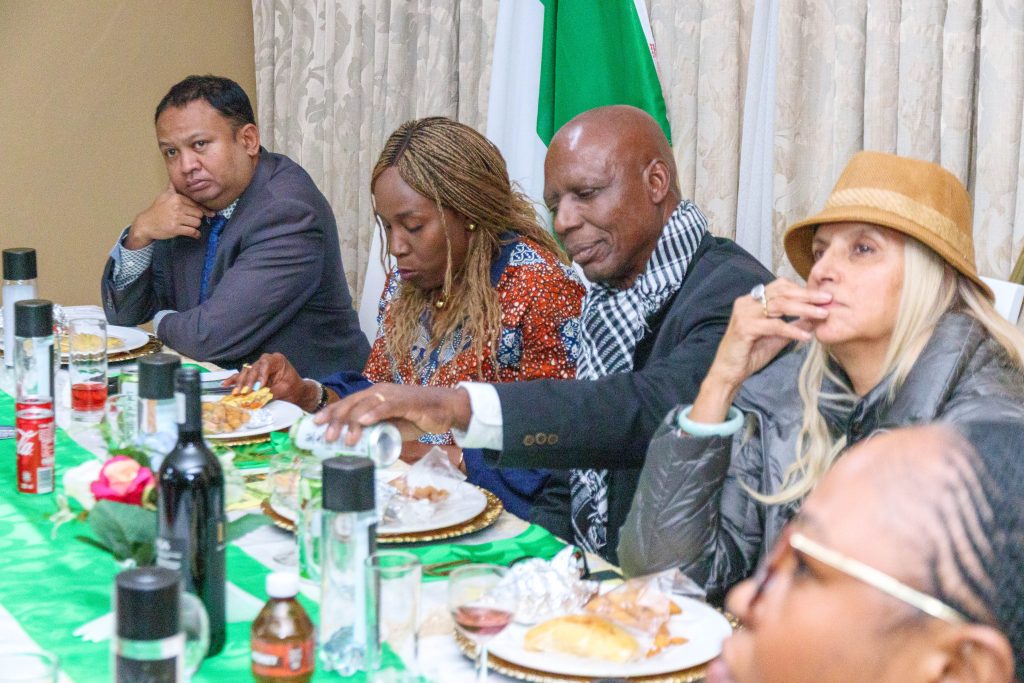
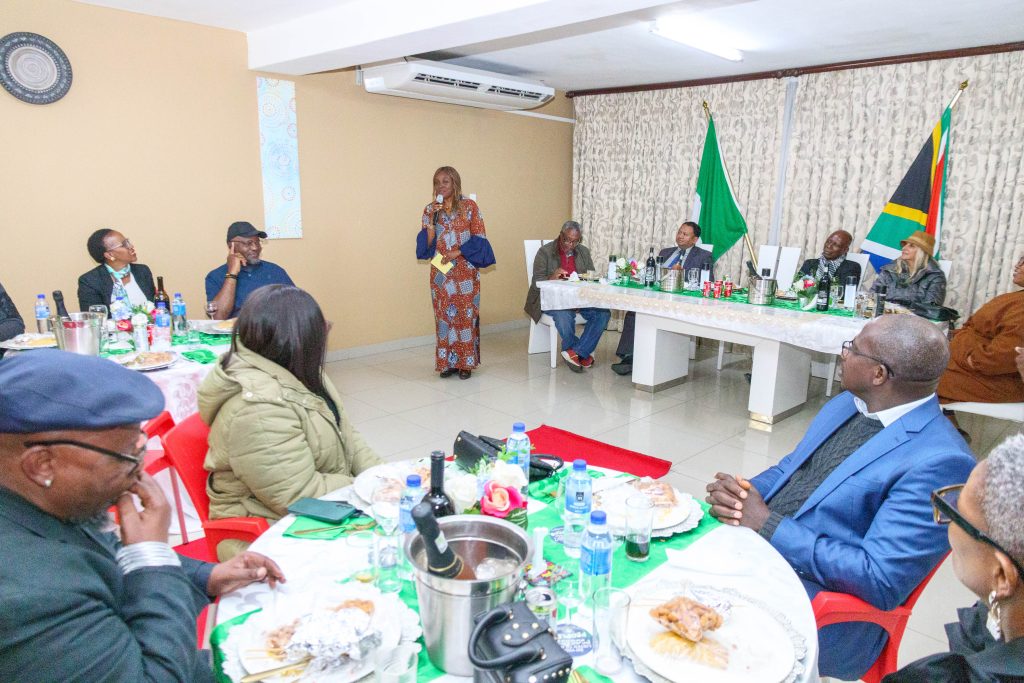
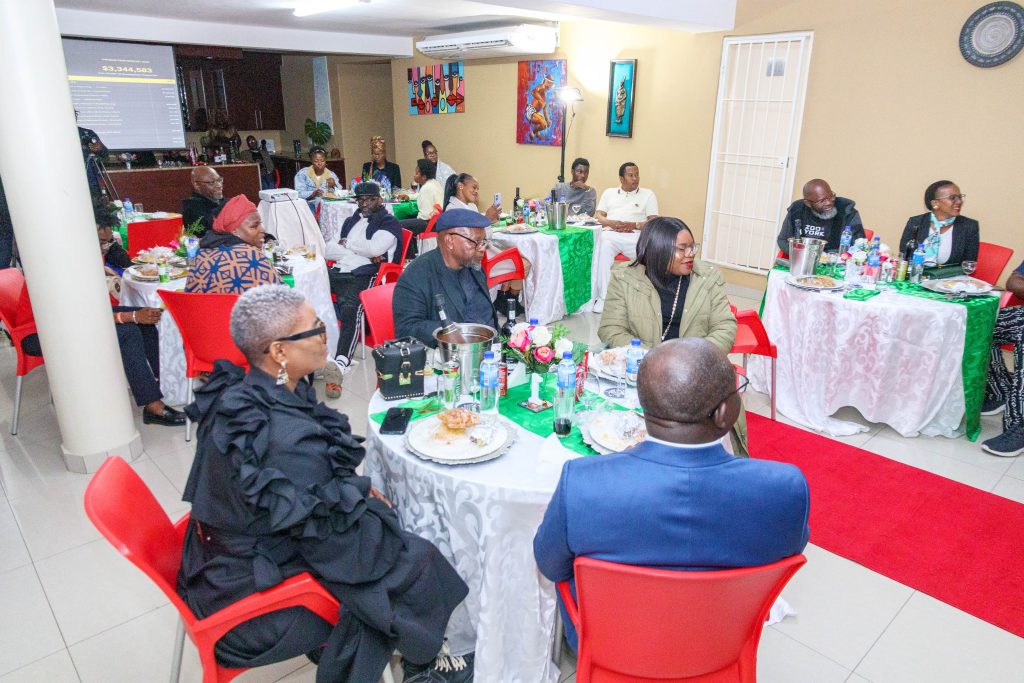
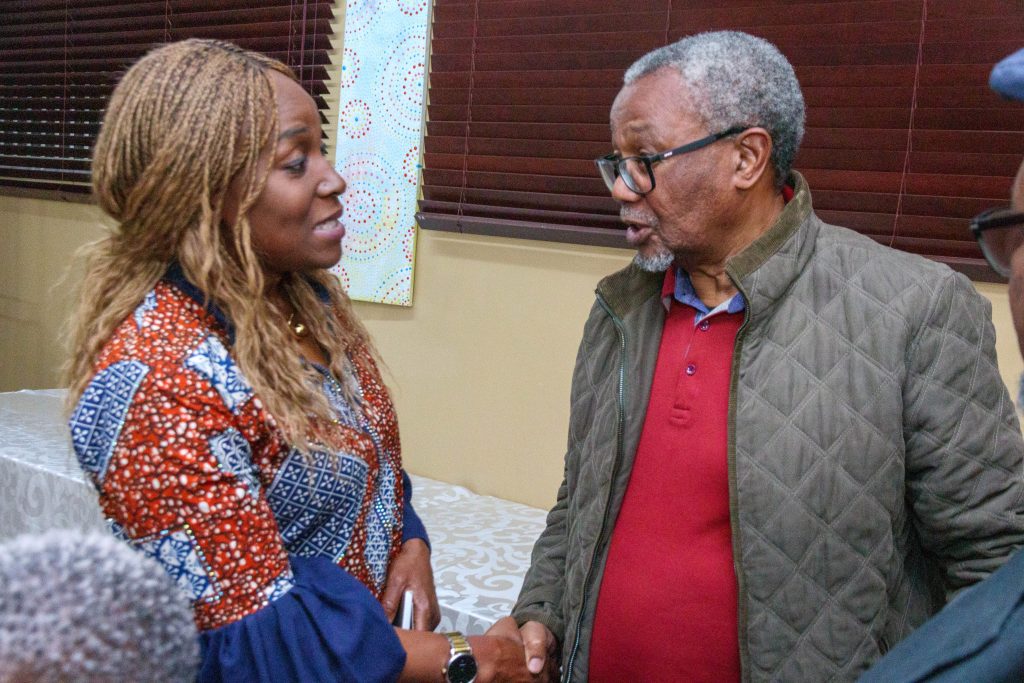
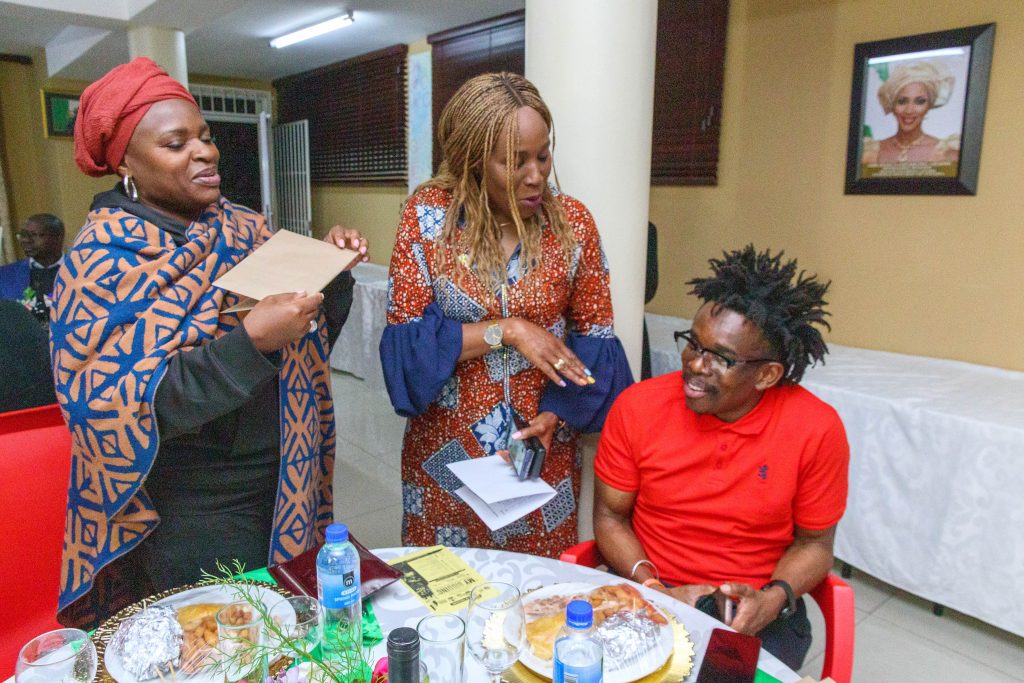
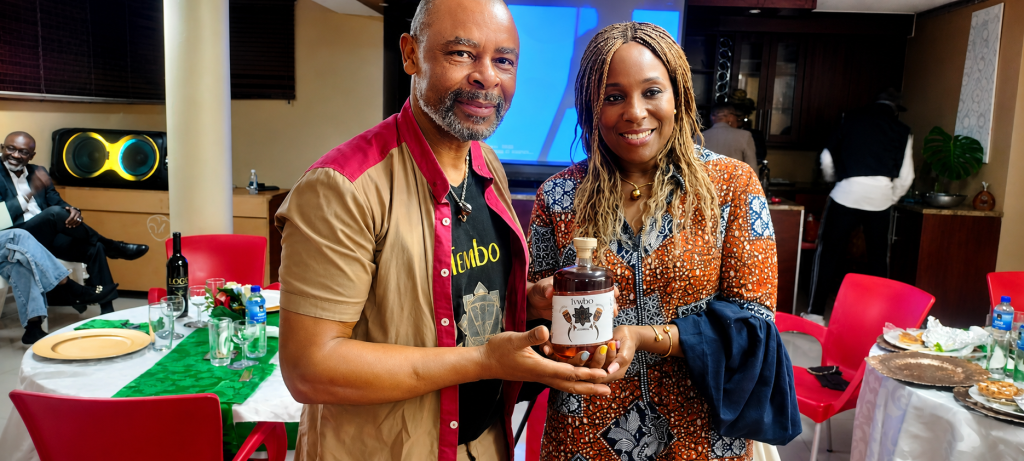
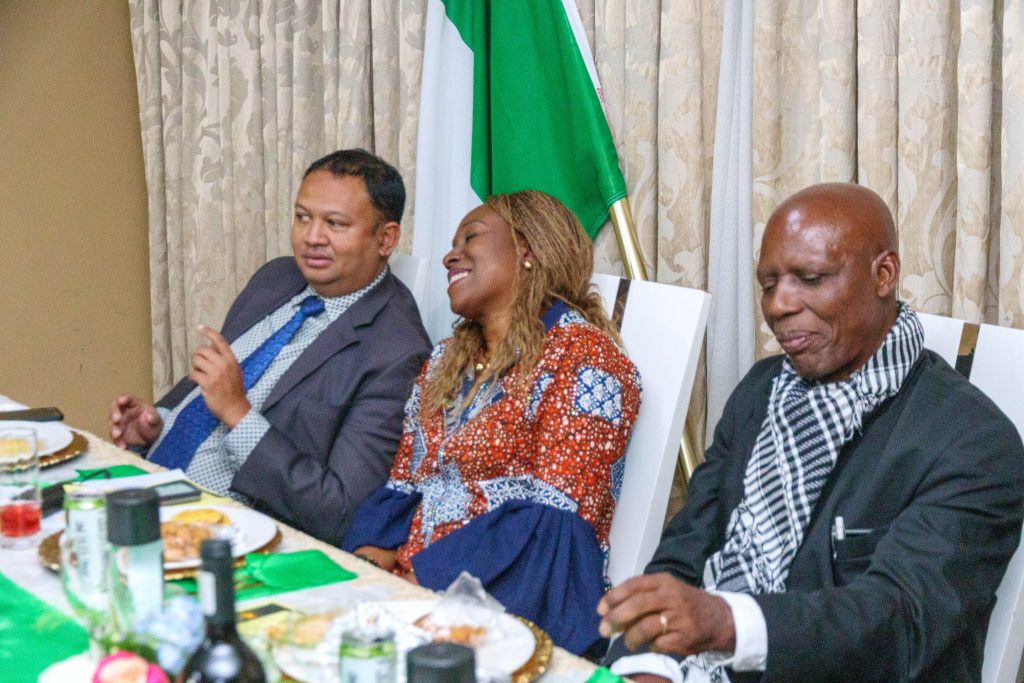
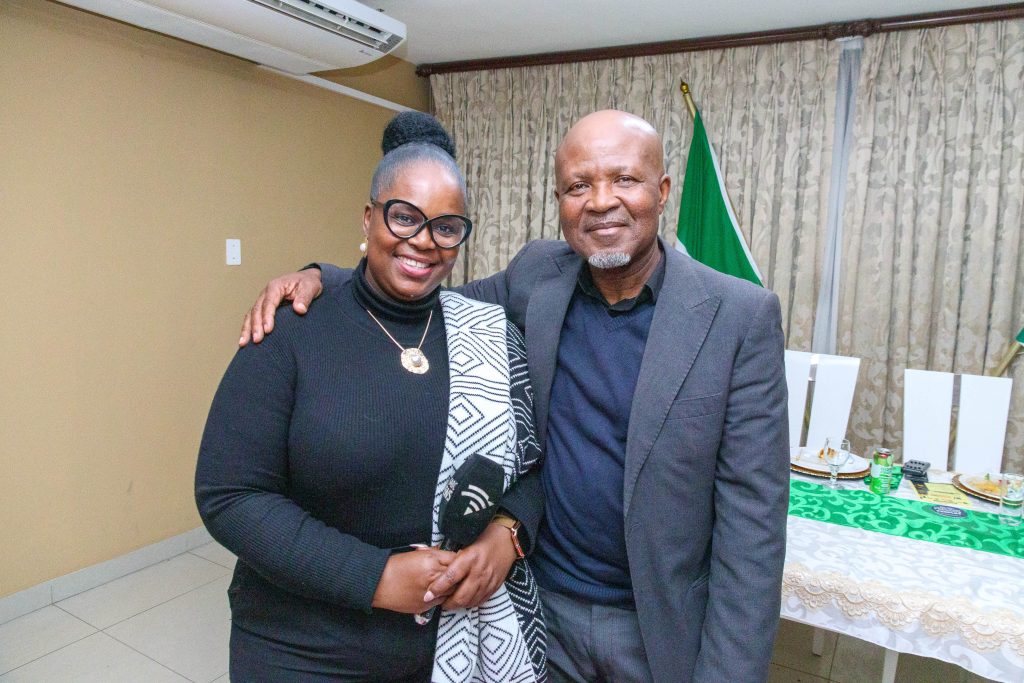
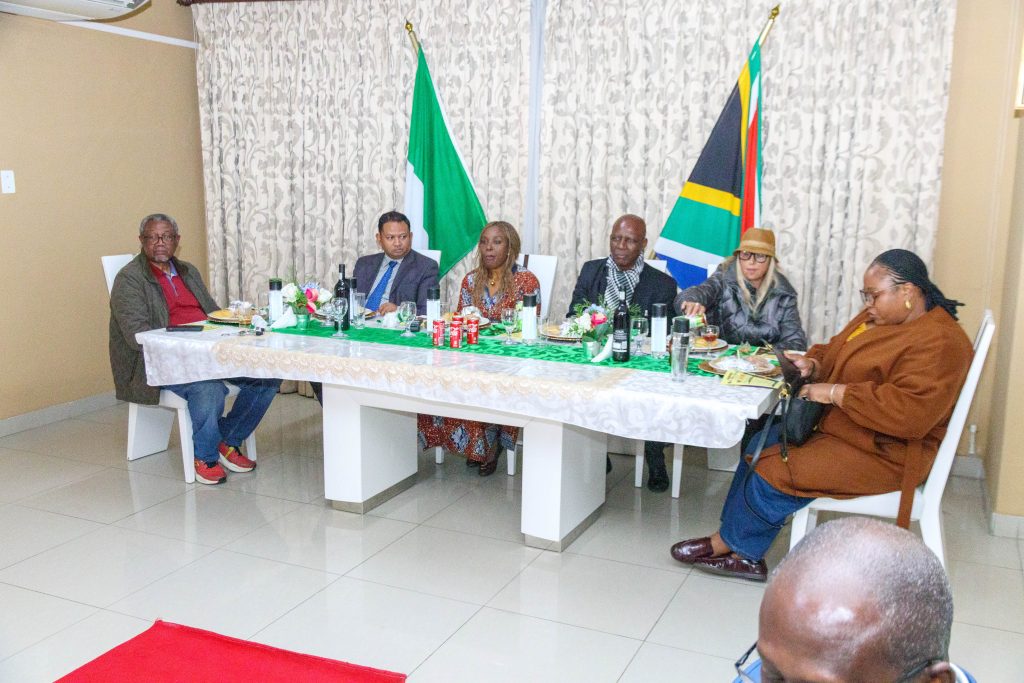
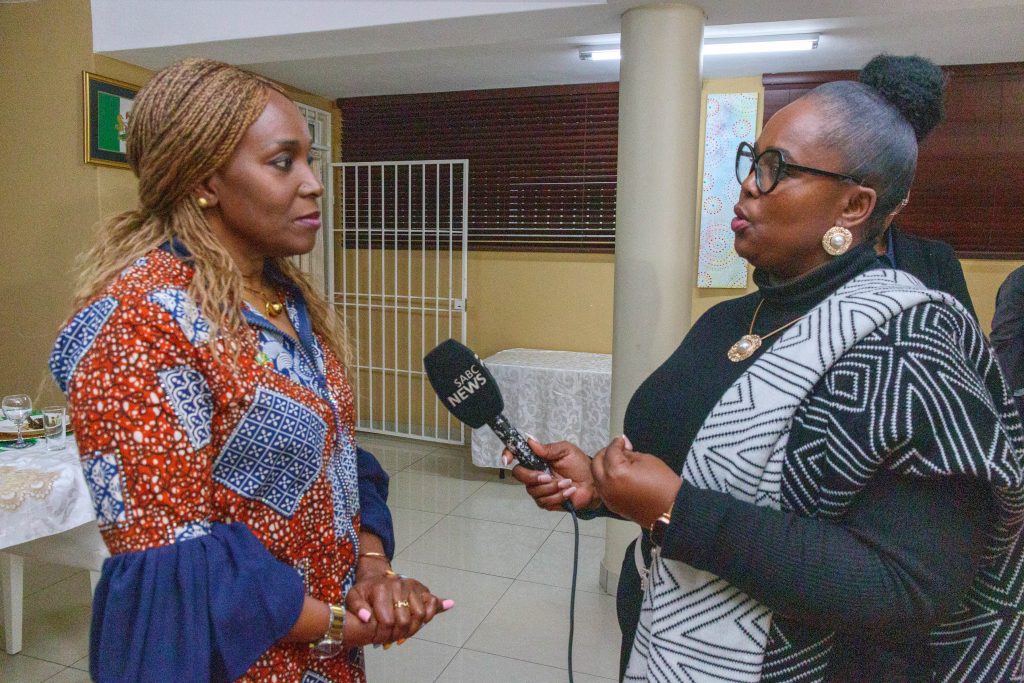
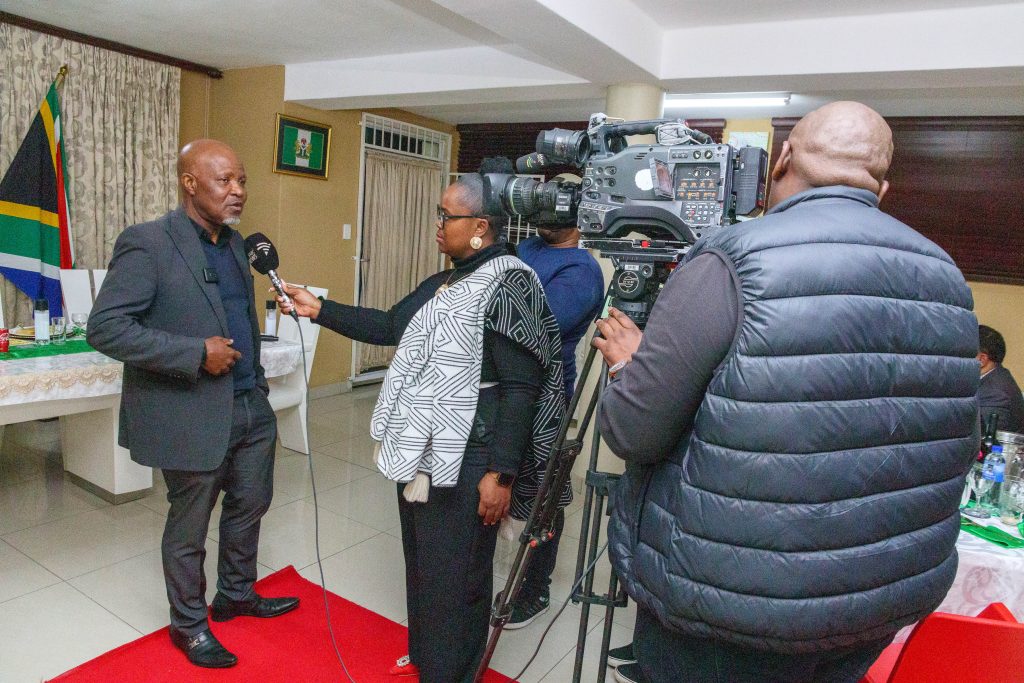
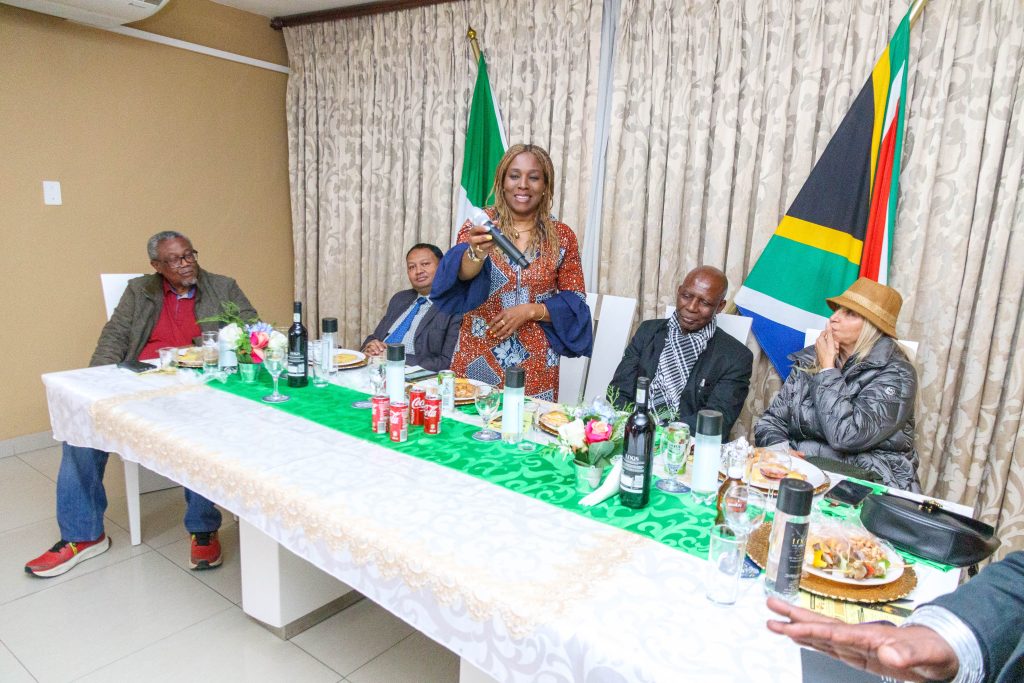
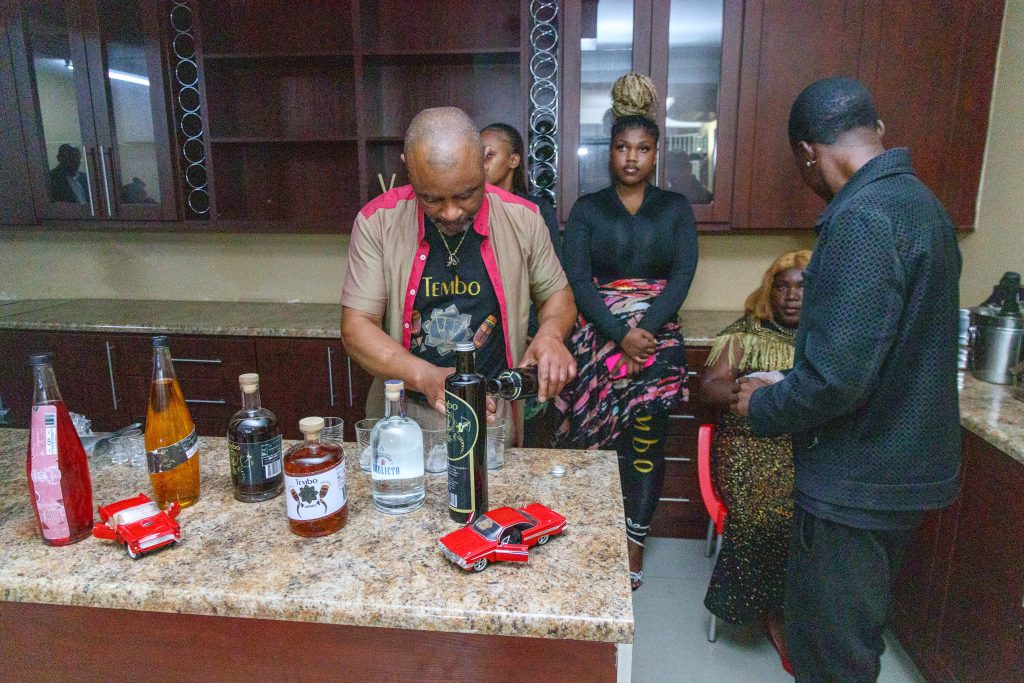
I had the privilege of encountering Amb Okey-Uche on Friday during a compelling diplomatic and cultural engagement hosted by the Nigerian Consulate in Johannesburg. The occasion brought together diplomats, policymakers, filmmakers, media practitioners and business leaders to celebrate the launch of acclaimed filmmaker Johnson Osuagwu’s latest movie script, set in Johannesburg. The story chronicles the extraordinary resilience of a young Nigerian whose pursuit of a better life in South Africa descends into a harrowing fight for survival after he is betrayed by members of his own family and falsely implicated in a crime he did not commit. Against overwhelming odds, he rises above adversity, joining forces with fellow Nigerians and South African law enforcement agencies to expose and dismantle the criminal cartel responsible for his ordeal. The narrative offers a powerful counterpoint to prevailing stereotypes by portraying Nigerians as partners in the fight against organised crime rather than its perpetrators.
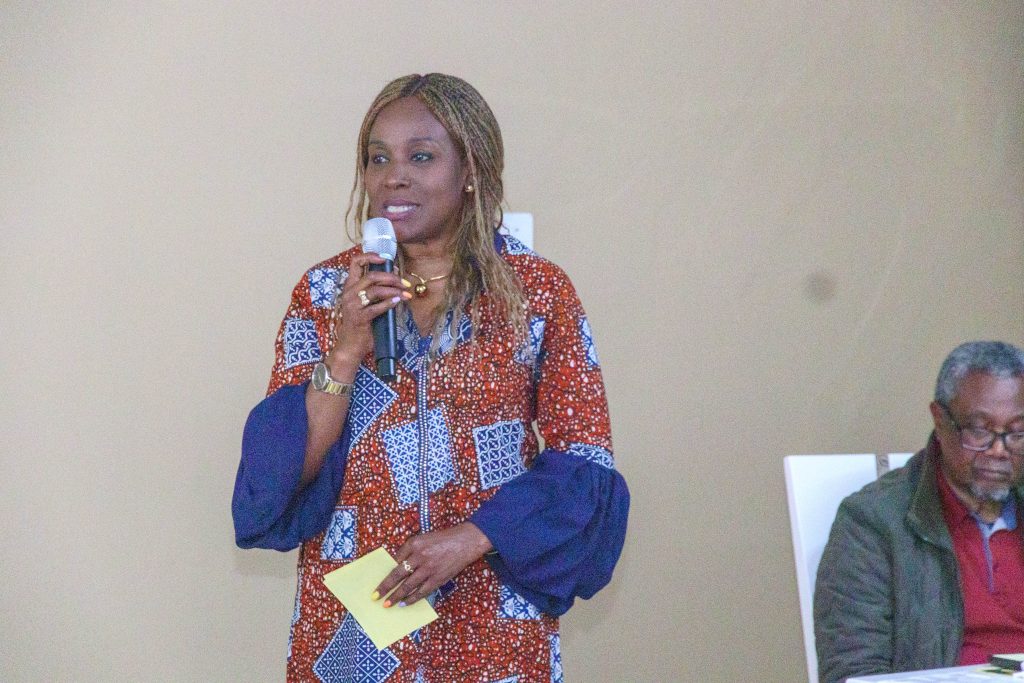
Setting the intellectual tone for the evening, Amb Okey-Uche delivered a thought-provoking keynote address entitled “Rebuilding the Nigerian Image through Film and Media.” In her address, she underscored the transformative power of the creative industries as instruments of public diplomacy, arguing that cinema, storytelling and the media possess an unparalleled capacity to challenge misconceptions, humanise communities and project a more authentic and balanced narrative of Nigeria to audiences across Africa and the world. Her message reinforced the conviction that nation branding cannot be left to governments alone, but must also be driven by artists, filmmakers, writers, journalists and other cultural ambassadors whose work shapes global perceptions.
“One principle has guided my engagement from the very beginning,” Amb Okey-Uche reflects. “In the same way that Nigerians do not wish to be generalised or stereotyped because of the actions of a small minority of our nationals who may have fallen on the wrong side of the law in South Africa, we too must resist the temptation to generalise South Africans because of the actions of a minority who reject the very tenets of our shared humanity by taking the law into their own hands against fellow Africans.”
She is unequivocal that criminality should never be nationalised. “Crime has no nationality,” she says. “Every nation has the good, the bad and the beautiful. No society is perfect, and no country should be judged solely by the actions of a few individuals. We must never allow isolated incidents to define entire peoples or to undermine the bonds that unite us as Africans.”
For Amb Okey-Uche, the future of Africa depends significantly on the strength of the relationship between its two largest economies. “You don’t have to be a genius to see that a strong partnership between South Africa and Nigeria is indispensable to Africa’s prosperity,” she observes. “When our two countries work together, the continent benefits. Our shared leadership is essential for advancing trade, investment, innovation, peace and the aspirations of Agenda 2063 and the African Continental Free Trade Area.”

Addressing the migration debate, she argues that public discourse must be grounded in evidence rather than emotion. “Migrants account for only about 4.5 per cent of South Africa’s population. They cannot reasonably be portrayed as the root cause of the country’s socio-economic challenges,” she notes. “Too often, public anger is misdirected towards migrants, while the deeper structural issues that require attention remain unresolved. This serves the convenience of those who would rather deflect attention than confront the real causes of poverty, inequality and unemployment.”
Rather than dwelling on division, Amb Okey-Uche believes diplomacy should illuminate hope, foster understanding and create new opportunities for cooperation. “My mission is to keep the spotlight firmly on the many positive stories that define the relationship between Nigeria and South Africa,” she says. “We must tell our own stories with truth, integrity and sincerity of purpose. We must build new bridges where none exist, strengthen those that have already been built, and continually remind ourselves that there is far more that unites our two nations than what divides them. That is the enduring work of diplomacy, and it is the legacy I hope to leave behind.”
Her dynamic and progressive philosophy has informed her engagement with government institutions, the business community, civil society, academia and the Nigerian diaspora. By encouraging dialogue over division and cooperation over confrontation, she has sought to build trust between communities while reinforcing the conviction that the destinies of Nigeria and South Africa remain fundamentally interconnected.
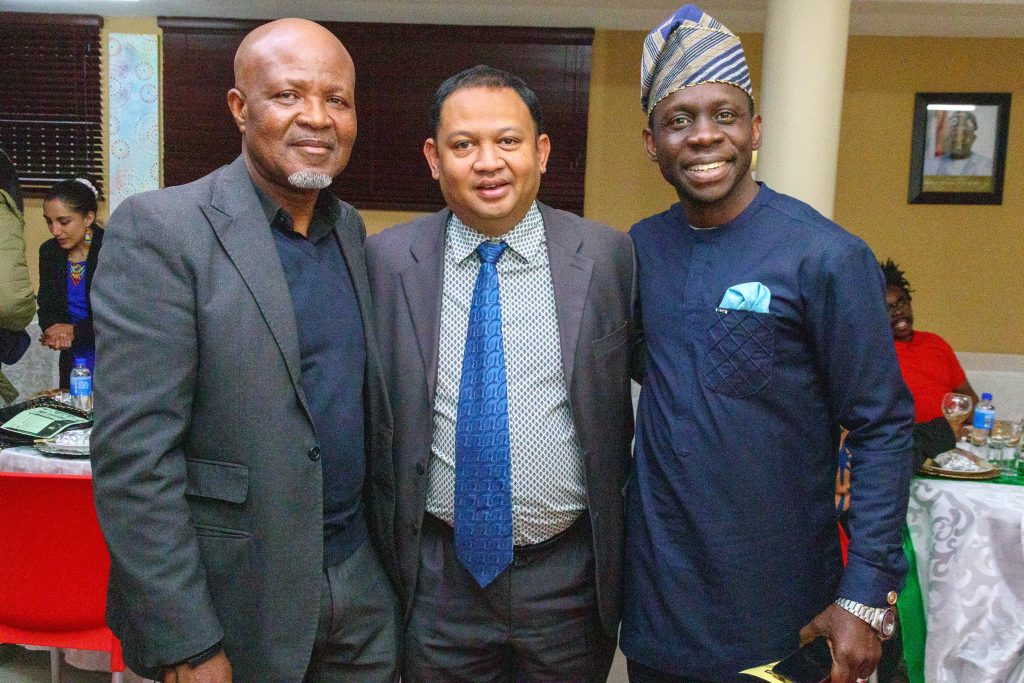
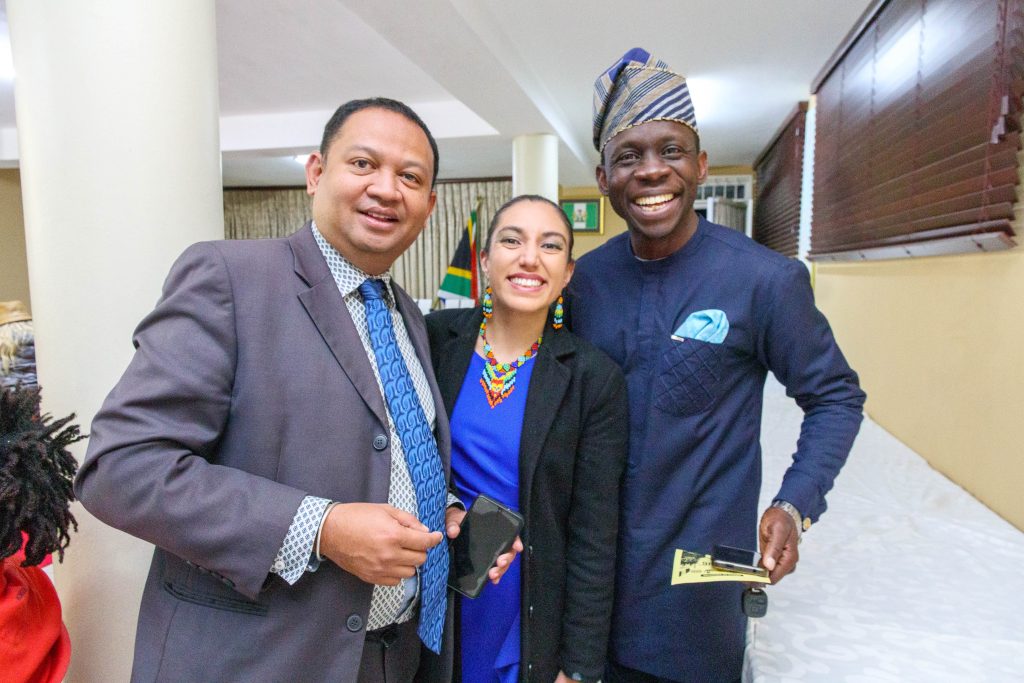
The distinguished audience reflected both the diplomatic significance and cultural resonance of the event. Among those in attendance were His Excellency Ambassador Dr. Toavina Ralambomahay (PhD), Ambassador Extraordinary and Plenipotentiary of the Republic of Madagascar to South Africa; Dr Khulu Mbatha, former Special Adviser on International Relations to Presidents Kgalema Motlanthe and Cyril Ramaphosa; respected filmmakers Firdoze Bulbulia and Faith Isiakpere; Oludare Olusan, founder of The African Portal, a leading podcast examining contemporary affairs and relations between Nigeria and South Africa; as well as Zanele Apata, representing the Nigeria–South Africa Chamber of Commerce. Their collective presence underscored the growing recognition that cultural diplomacy, strategic communication and the creative economy are becoming indispensable pillars of Africa’s contemporary diplomatic landscape.
Amplifying the CG’s message, Dr Mbatha reminded the audience that the relationship between the two nations was forged long before the contemporary challenges of migration. The relationship’s embryo was conceived during during the darkest years of apartheid when Nigeria stood firmly with South Africa’s liberation struggle, providing sustained political, diplomatic and material support to the country’s national liberation movements. Successive Nigerian governments mobilised international opinion against apartheid through the UN mechanism, championed sanctions against the apartheid regime, provided scholarships for South African exiles, and contributed generously to the global anti-apartheid movement. This legacy of solidarity, she argues, established a moral and historical foundation that continues to underpin relations between the two countries.
Leadership beyond the diplomatic corps
Amb Okey-Uche’s professional standing is reinforced by an impressive record of continuous learning and institutional leadership.
She is a Member of the National Institute (mni) following completion of the prestigious Senior Executive Course 44 at the National Institute for Policy and Strategic Studies (NIPSS), Nigeria’s foremost institution for strategic leadership development.
She is also a Fellow and member of numerous professional bodies spanning governance, public administration, forensic investigation, corporate leadership and public relations.
These affiliations demonstrate an appreciation that effective diplomacy increasingly requires multidisciplinary expertise encompassing governance, communication, economics, leadership and institutional management.
A citizen of the world
Fluent in English, French and Igbo, with a working knowledge of Spanish, Amb Okey-Uche possesses the linguistic agility required of today’s global diplomats.
Having lived and worked across four continents, she combines international sophistication with deep African conviction.
Outside official responsibilities, she enjoys international travel, music, dancing, sports and creative writing – interests that reflect her belief that diplomacy is ultimately about people, cultures and human connection.
She is married to a lawyer, and together they are blessed with seven children, balancing family life with one of the most demanding careers in public service.
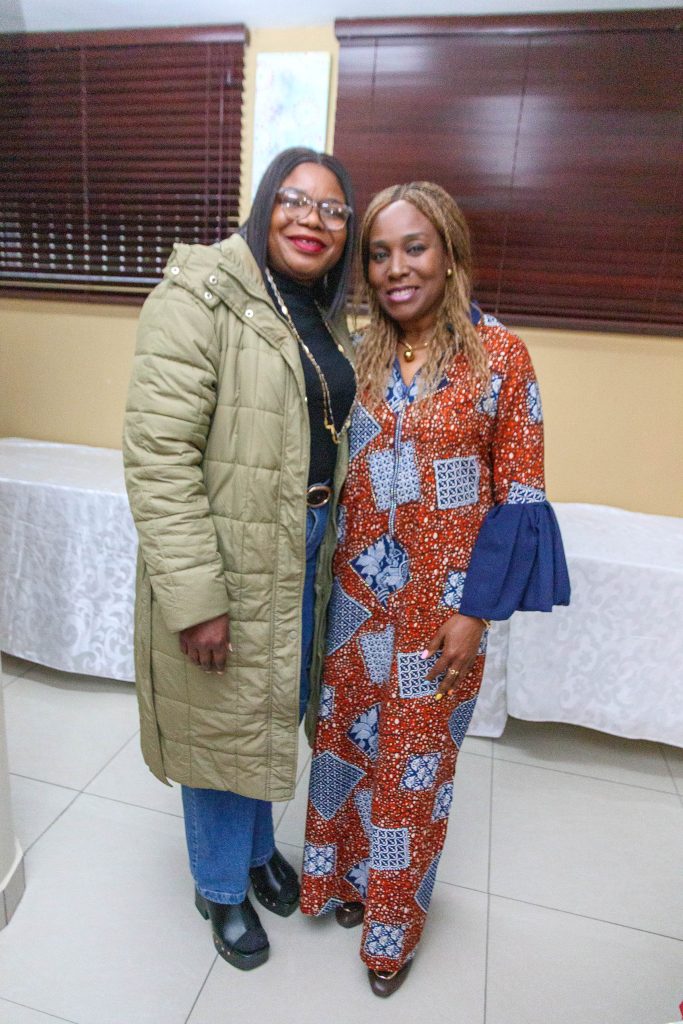
The face of Nigeria’s new diplomacy
As African diplomacy enters an era defined by economic competitiveness, strategic communication and continental integration, Amb Okey-Uche represents a new generation of diplomatic leadership.
She understands that the image of a nation influences its ability to attract investors, tourists, skilled professionals, international partnerships and global respect.
Her work demonstrates that diplomacy today extends beyond government buildings and official ceremonies. It is equally about building confidence, creating opportunities and inspiring belief in a nation’s future.
In Johannesburg, she is helping to project a Nigeria that is confident, innovative, culturally dynamic and economically ambitious – a country determined to lead not only through its size, but through the strength of its ideas, the creativity of its people and the quality of its partnerships.
For Amb Okey-Uche, diplomacy is more than a career. It is the enduring art of connecting nations, advancing shared prosperity and telling Africa’s story with authenticity, confidence and purpose.
****
SAUL MOLOBI – a former South Africa’s Consul-General to Milan, Italy – is the founding Group CEO of Brandhill Africa, a nation brand agency specialising in brand management, economic diplomacy and cultural industries. His latest book is “De/constructing brand Africa: A practitioner’s perspective”.